
E-mail:
sale08@lzxkjx.comCall Us:
+86 15390744145
The beneficiation of gold and silver ores is a complex and systematic process. It involves a series of consecutive operations to effectively concentrate the valuable minerals from the run-of-mine ore, ultimately producing qualified gold and silver concentrates. The process flow primarily includes crushing and screening, grinding and classification, separation operations, and concentrate dewatering. Today, let's explore the specific production process!
1. Crushing and Screening
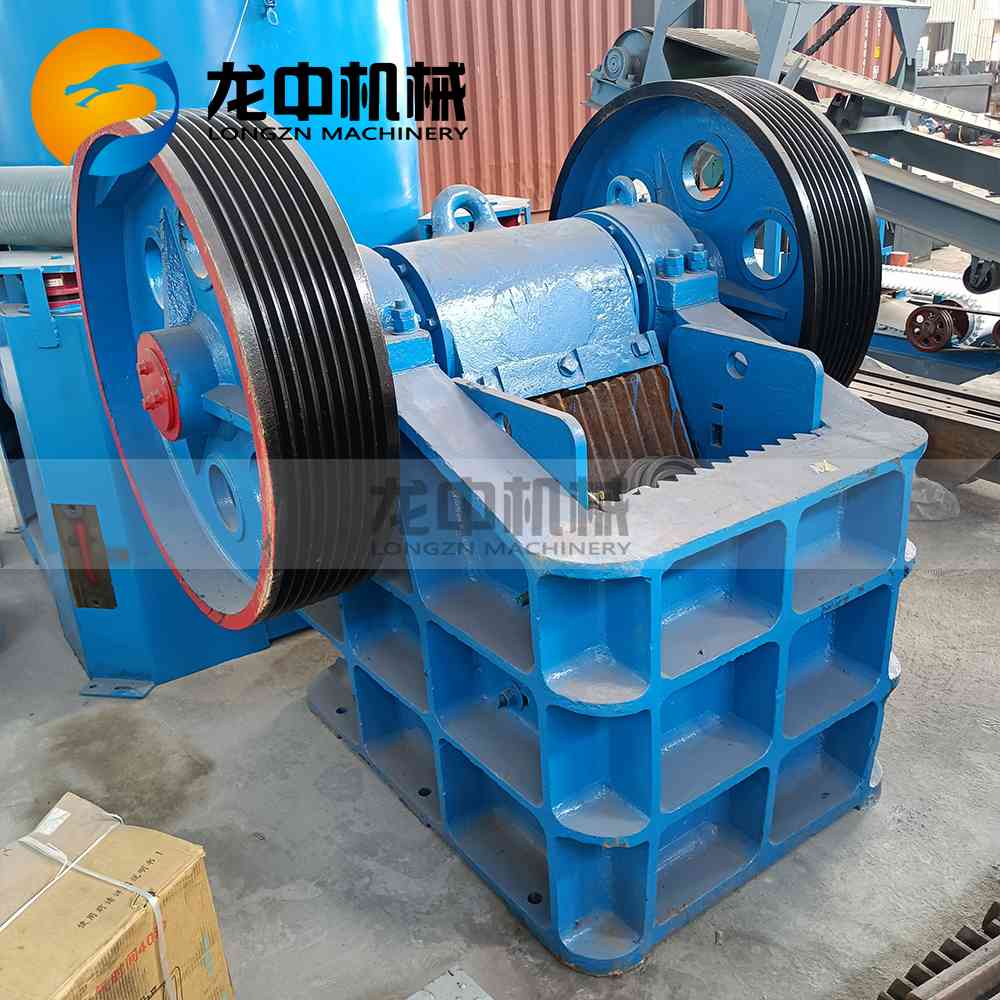
Crushing and screening constitute the first stage in gold and silver ore beneficiation. The objective is to break down large lumps of raw ore into a particle size suitable for subsequent grinding, and to separate the ore into different size fractions through screening. The raw ore is first subjected to primary crushing by a jaw crusher, reducing it to a specific size range. The coarsely crushed ore then undergoes secondary crushing in a cone crusher to further reduce its size. The secondary crushed product is screened by a vibrating screen. The oversize material returns to the cone crusher for re-crushing, while the undersize product proceeds to the next stage: grinding. The key to this stage is controlling the particle size of the crushed product to meet the requirements of the grinding circuit, while also enhancing crushing efficiency and minimizing over-grinding.
2. Grinding and Classification
The purpose of grinding and classification is to further reduce the size of the crushed ore, achieving sufficient liberation of gold and silver minerals from gangue minerals. Classification separates the pulp into products of suitable particle size. Grinding is typically performed in ball mills or rod mills, with the selection of grinding equipment and media depending on the ore characteristics and grinding requirements. The ground pulp enters a classifier for size separation; commonly used classifiers include spiral classifiers and hydrocyclones. The classifier divides the pulp into coarse and fine fractions. The coarse fraction returns to the grinding mill for further milling, while the fine fraction proceeds to the separation stage. The grinding and classification circuit directly impacts the performance of subsequent separation processes. Parameters such as grinding density, grinding time, and classification efficiency require strict control.
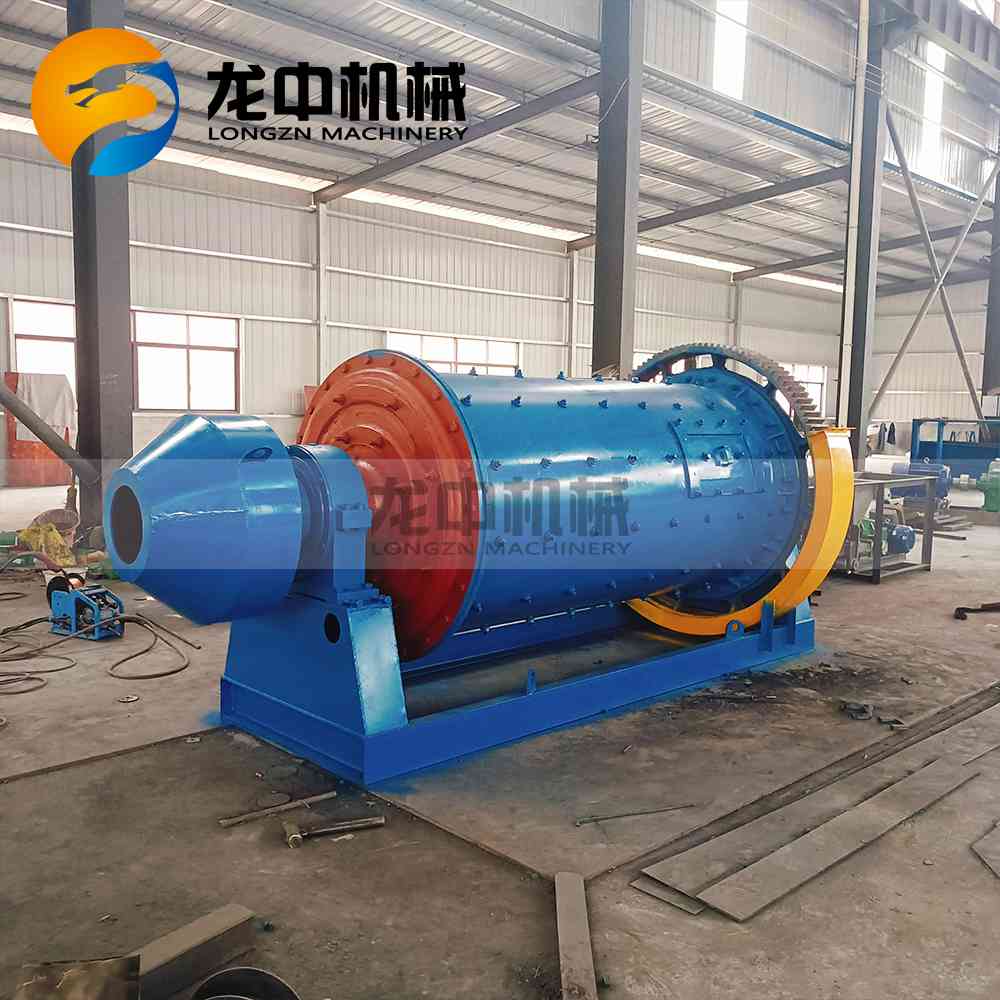
Crushing and Grinding Production Line
3. Separation Operations
Separation is the core stage of gold and silver ore beneficiation. Depending on the ore properties, different methods such as gravity separation, flotation, or cyanidation may be employed, sometimes in combination.
(1) Gravity Separation
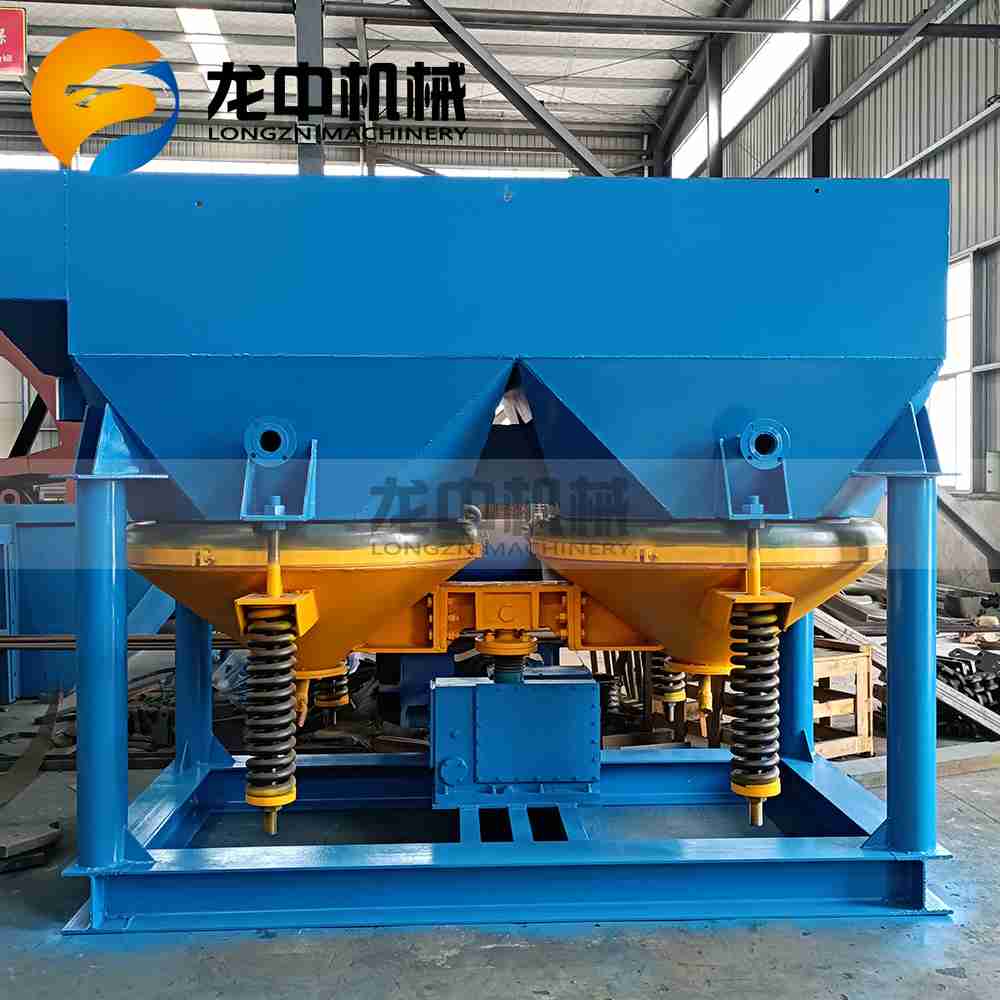
For ores containing coarse gold particles, gravity separation is often conducted after grinding and classification. Common gravity separation equipment includes shaking tables, jigs, and sluices. After the pulp enters the gravity separator, under forces such as gravity and centrifugal force, the denser gold and silver minerals separate from the lighter gangue minerals, yielding a gravity concentrate and tailings. The gravity concentrate can be treated as final product or sent for further cleaning, while the tailings are directed to other separation processes for additional gold/silver recovery.
(2) Flotation
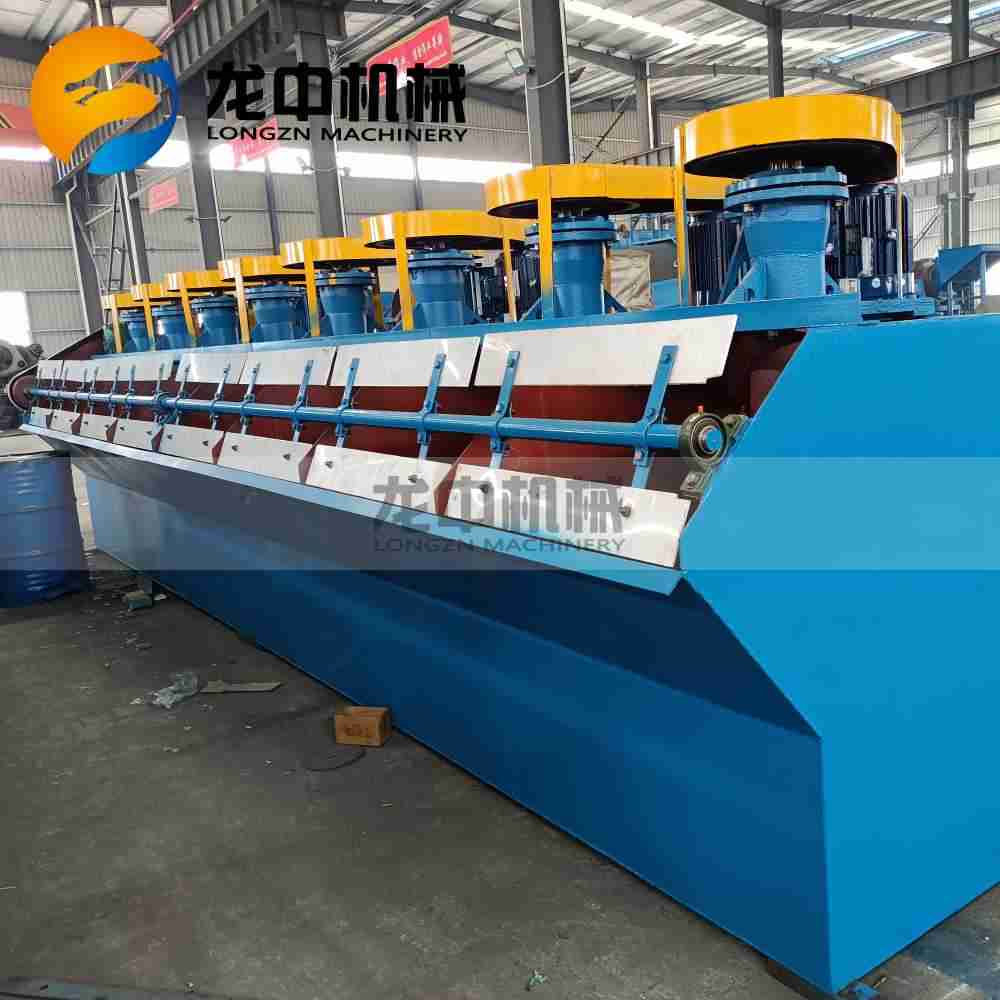
Flotation is suitable for treating finely disseminated gold and silver ores. The pulp from grinding and classification enters flotation machines, where reagents such as collectors, frothers, and modifiers are added. Collectors render the surfaces of gold and silver minerals hydrophobic, frothers generate abundant stable bubbles, and modifiers are used to adjust pulp pH or depress gangue minerals. Through agitation and aeration in the flotation machine, gold and silver minerals attach to air bubbles and rise to the pulp surface, forming a froth product (flotation concentrate). The gangue minerals remain in the pulp as tailings. The flotation concentrate requires thickening, filtering, etc., while the tailings are either retreated or stored depending on the situation.
(3) Cyanidation
Cyanidation is primarily used to treat low-grade gold/silver ores or flotation tailings. It includes two methods: percolation cyanidation and agitation cyanidation. Percolation cyanidation involves loading ore into vats and slowly percolating a cyanide solution through the ore bed to dissolve the gold and silver. Agitation cyanidation involves thoroughly mixing the pulp with a cyanide solution in an agitation tank to dissolve the valuable metals. The dissolved gold and silver in the solution are then recovered by methods like zinc dust precipitation or activated carbon adsorption, yielding cyanide gold/silver mud. The tailings are treated before disposal. During cyanidation, parameters such as cyanide dosage, pulp density, and pH must be strictly controlled. Simultaneously, safety measures and environmental protection are crucial to prevent hazards from cyanide leakage.
4. Concentrate Dewatering
The concentrate obtained from the separation operations contains significant moisture and requires dewatering to meet subsequent smelting or transportation requirements. Concentrate dewatering typically involves three stages: thickening, filtering, and drying. Thickening employs a thickener to reduce water content in the concentrate pulp via gravity settling, producing thickened slurry. This thickened slurry then enters a filter for further moisture reduction, resulting in filter cake. For concentrates with strict moisture specifications, drying is necessary. The filter cake is fed into a dryer where heat evaporates the remaining moisture, yielding the final qualified product concentrate.