
E-mail:
sale08@lzxkjx.comCall Us:
+86 15390744145
Transforming deeply buried tungsten ore into tungsten concentrate that meets industrial requirements is a complex and precise industrial process. At its core lies a scientifically designed and rationally configured tungsten ore processing equipment production line. A modern tungsten production line is not merely a process of physical separation; it is a systems engineering project requiring the efficient coordination of multiple stages including crushing, grinding, separation, and dewatering.
I. Overview and Core Process Principles of the Tungsten Ore Processing Equipment Line
The core objective of a tungsten ore processing line is to efficiently and economically concentrate and recover tungsten minerals (primarily wolframite and scheelite) from run-of-mine ore. Its design adheres to fundamental principles such as "crush more and grind less," "recover early, recover more," and "recover as early as possible," aiming to reduce energy consumption and improve recovery rates.
The entire process flow of a tungsten ore equipment line can be broadly divided into four main stages:
Crushing and Screening Stage: Crushing large run-of-mine ore to a particle size suitable for grinding.
Grinding and Classification Stage: Grinding the crushed product to a fineness where mineral liberation is achieved, followed by classification.
Separation and Concentration Stage: The core环节, utilizing differences in the physical or chemical properties of minerals to separate tungsten concentrate.
Thickening and Dewatering Stage: Dewatering the concentrate and tailings for easier transportation and storage.
II. Detailed Explanation of Main Sections and Key Equipment in the Tungsten Ore Processing Line
(I) Crushing and Screening System of the Tungsten Ore Processing Line
This is the "vanguard" section of the line. Its efficiency directly impacts the energy consumption of subsequent grinding and overall costs.
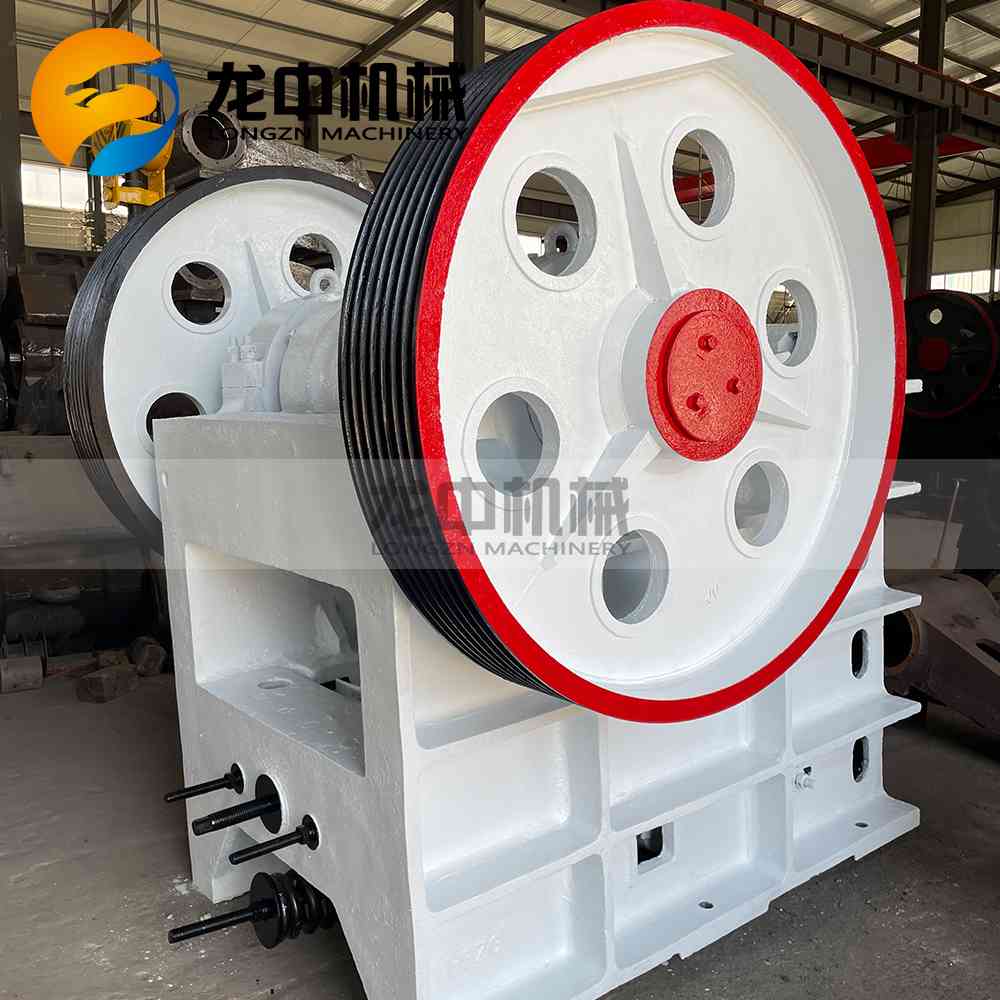
Primary Crushing: Typically performed by a Jaw Crusher. Known for its robust structure and high capacity, it efficiently handles large run-of-mine ore (with feed sizes up to several hundred millimeters) from the mine, reducing it to below 250-150mm. As the first critical stage, its stability and reliability are paramount.
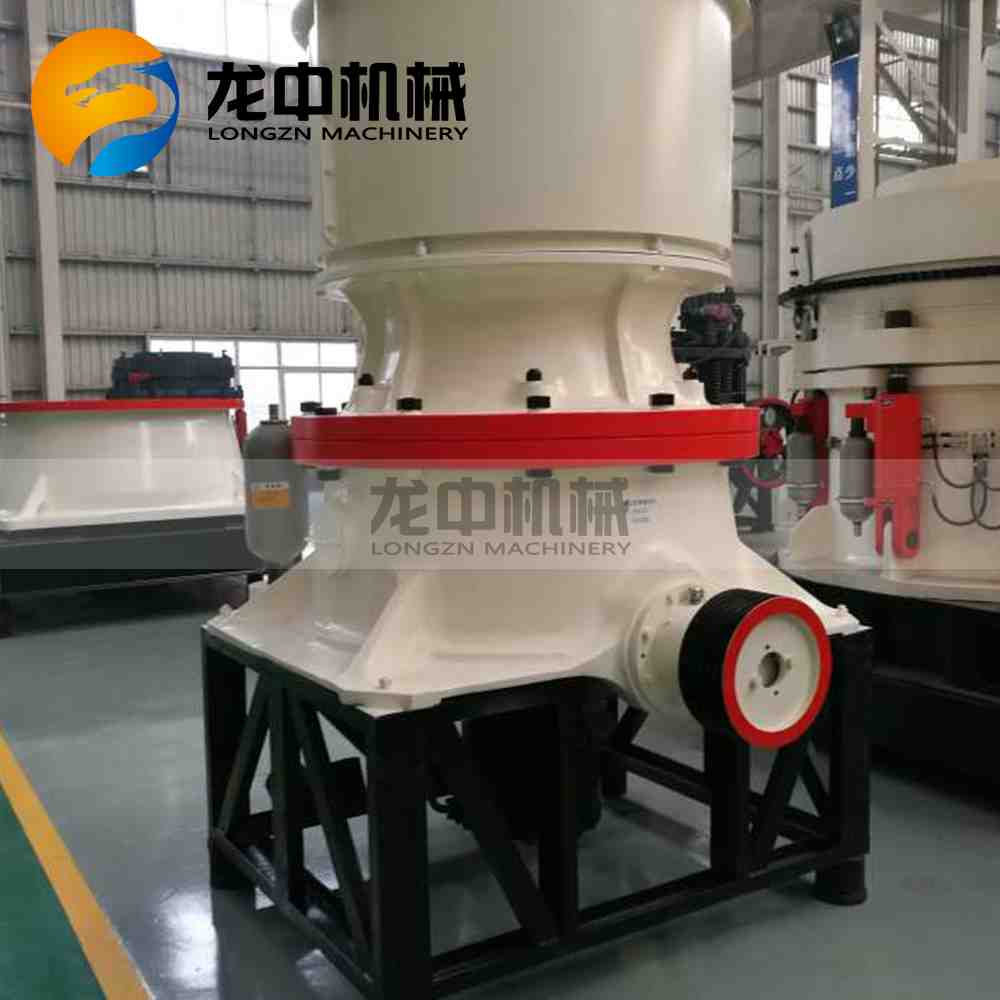
Secondary and Tertiary Crushing: The primary crushed product is fed into Cone Crushers. Utilizing the principle of laminated crushing, cone crushers offer high efficiency and produce well-shaped particles, further reducing material size to below 30-60mm. For medium and large-scale processing plants, a two-stage cone crushing circuit (using standard and medium-fine crushers) is commonly employed to ensure target particle size.
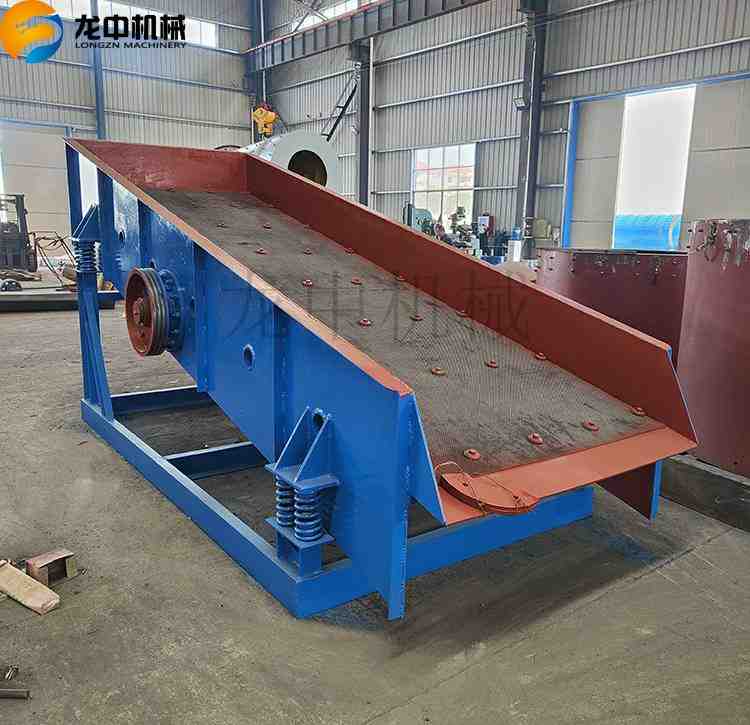
Screening: Vibrating Screens, forming closed-circuit cycles with crushers, are crucial. They separate crushed material by size, directing qualified fine particles to the next stage and returning oversized particles to the crusher for further reduction. This not only controls final product size but also significantly enhances the overall efficiency of the crushing system.
Technical Key Points: The core objective of this stage is to achieve "more crushing," i.e., reducing the ore as finely as possible during the crushing stage, as crushing energy consumption is far lower than grinding. Optimizing crusher cavity design, adjusting discharge settings, and selecting efficient screen meshes can significantly reduce the final feed size to the grinding circuit.
(II) Grinding and Classification System of the Tungsten Ore Processing Line
This is the "heart" of the entire beneficiation plant. Its task is to achieve liberation of tungsten minerals from gangue minerals, creating conditions for effective separation.
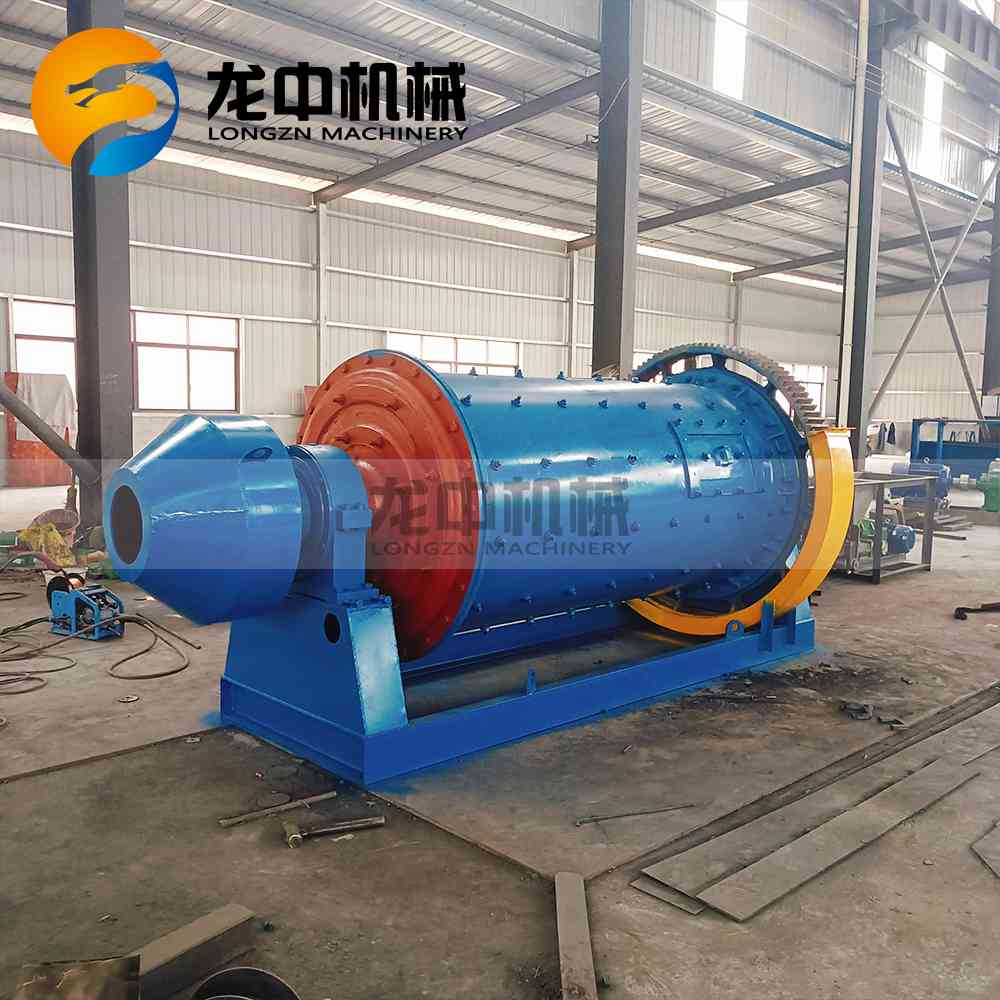
Grinding Operation: The core equipment is the Ball Mill. The mill cylinder contains a charge of steel balls. As the cylinder rotates, the balls impact and grind the material to the required fineness for separation (typically needing to reach 70%-90% passing 200 mesh or finer). For brittle minerals like tungsten that are prone to overgrinding, staged grinding is a common strategy.
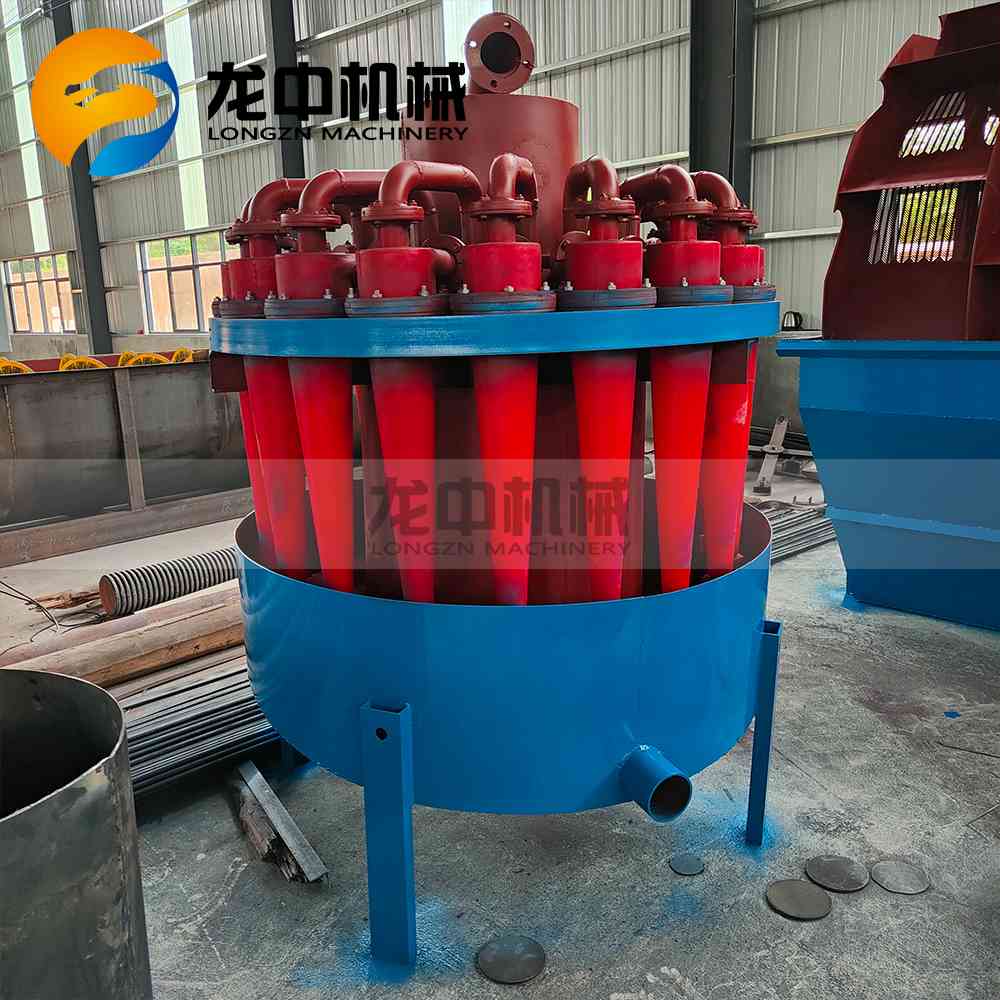
Classification Operation: Hydrocyclones, operating in a closed circuit with the ball mill, are the primary classification devices. The ground product enters the hydrocyclone, where centrifugal force separates it; qualified fine particles report to the overflow for the separation stage, while coarse particles report to the underflow and return to the ball mill for regrinding. This closed-circuit loop ensures stable and uniform product size.
Technical Key Points: The grinding section accounts for the highest energy consumption in the entire line, approximately 50%-60%. Therefore, precise control of grinding density, ball-to-charge ratio, filling rate, along with the selection of high-efficiency, wear-resistant liners and grinding media, is key to reducing production costs. Simultaneously, preventing overgrinding (slime generation) of tungsten minerals significantly impacts subsequent gravity recovery rates and requires fine-tuned control.
(III) Separation and Concentration System of the Tungsten Ore Processing Line
This is the "brain"环节 that determines the final technical and economic indicators. The process flow and equipment combination vary significantly depending on the type of tungsten ore (wolframite, scheelite, or mixed ores).
Gravity Separation Circuit:
For wolframite or some scheelite ores with relatively coarse liberation sizes, gravity separation is the preferred and most economical method.
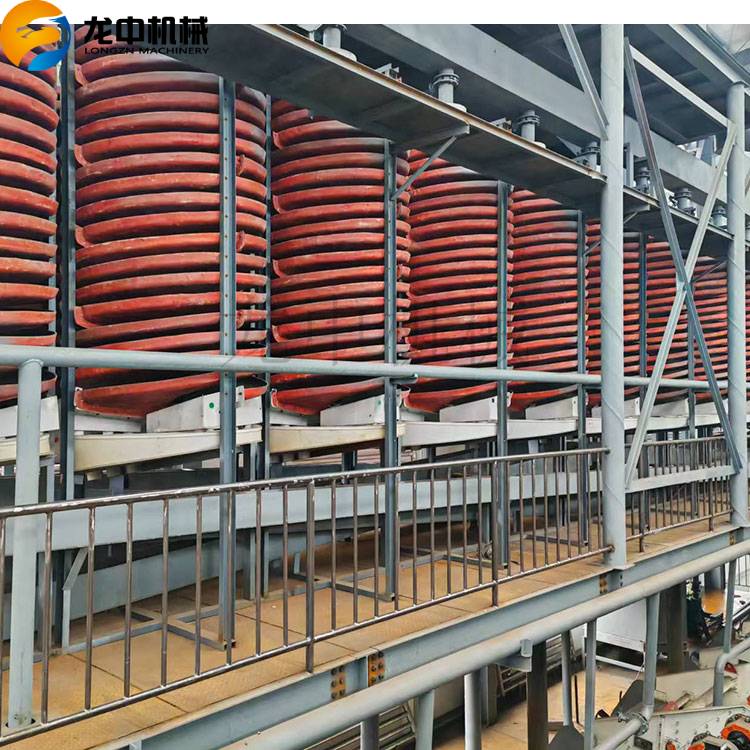
Pre-concentration/Rejecting Tailings: After grinding, Spiral Chutes or Shaking Tables are often used to pre-concentrate the slurry, discarding a large portion of low-specific-gravity gangue early on. This increases the feed grade to subsequent processes and reduces processing volume.
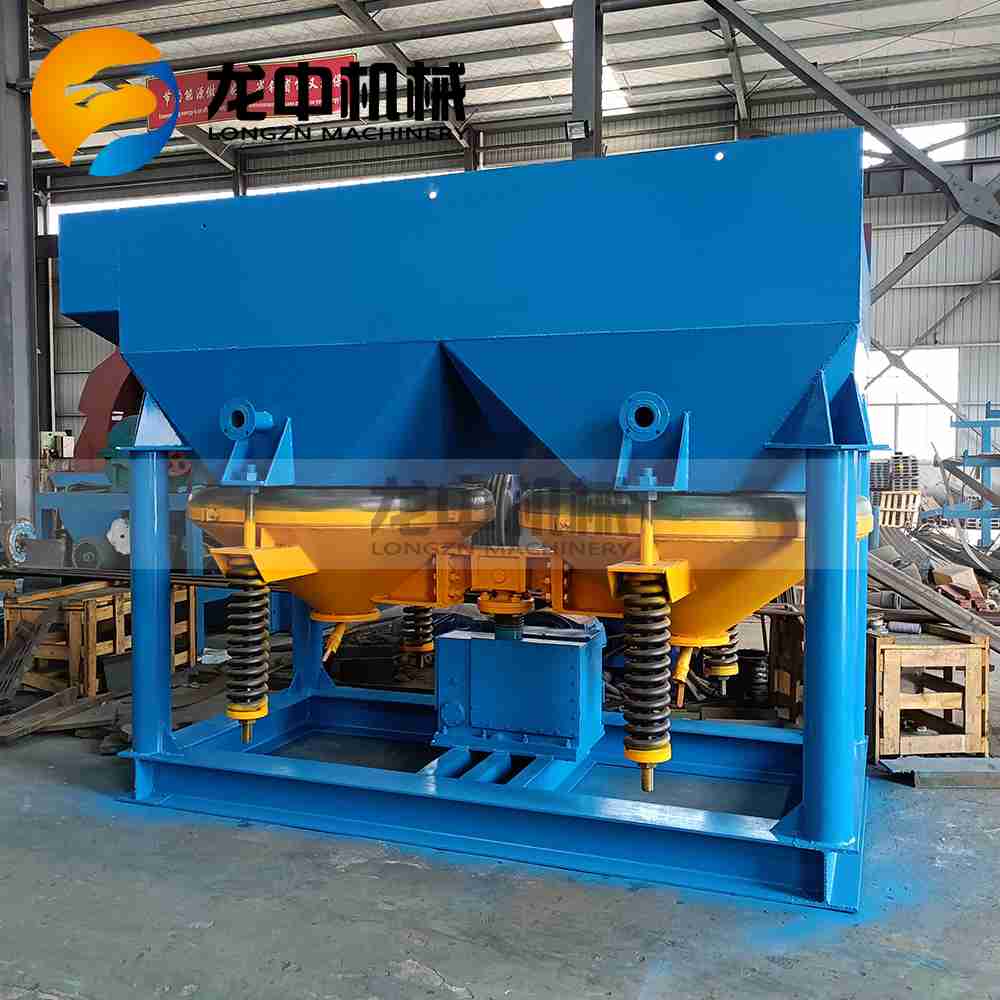
Roughing Operation: Jig machines are employed. Utilizing pulsating water flow, jigs stratify minerals based on specific gravity, enabling the quick recovery of some coarse qualified tungsten concentrate or middlings, achieving "early recovery where possible."
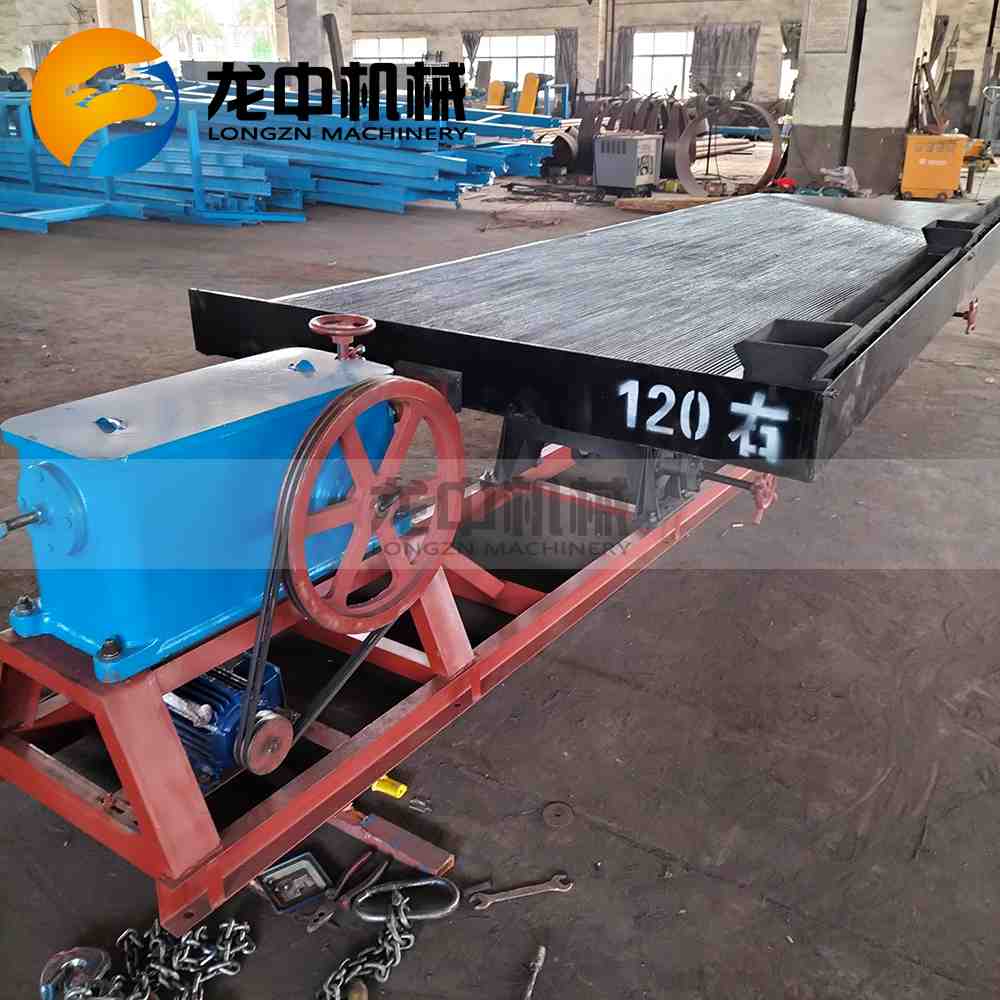
Cleaning Operation: The core equipment is the Shaking Table. Renowned for its high separation precision, the shaking table separates minerals based on differences in density, particle size, and shape simultaneously, through its asymmetrical reciprocating motion and water flow, producing high-grade tungsten concentrate and various by-products. Production lines typically configure multiple shaking tables for roughing, scavenging, and cleaning, forming complex gravity circuits.
Flotation Circuit:
For scheelite or refractory wolframite ores with fine-grained dissemination or complex mineralogy, flotation is the primary method.
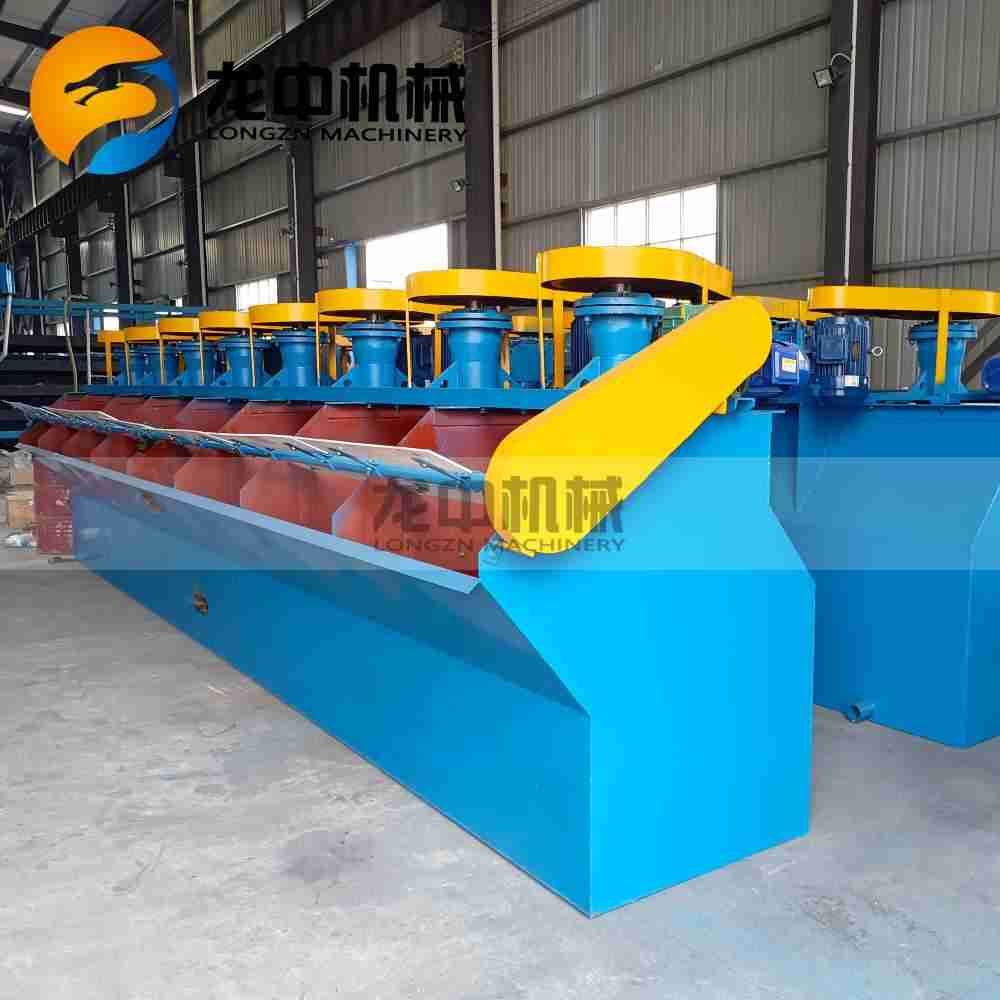
Flotation Cells: The core equipment of the flotation process. By aerating the pulp and adding specific reagents (collectors, depressants, modifiers), target minerals selectively attach to air bubbles, forming a mineralized froth that is skimmed off and collected. Scheelite flotation often employs the "Petrov process" (ambient temperature flotation) or heated flotation. The flowsheet is complex, requiring highly precise reagent control and operational skill.
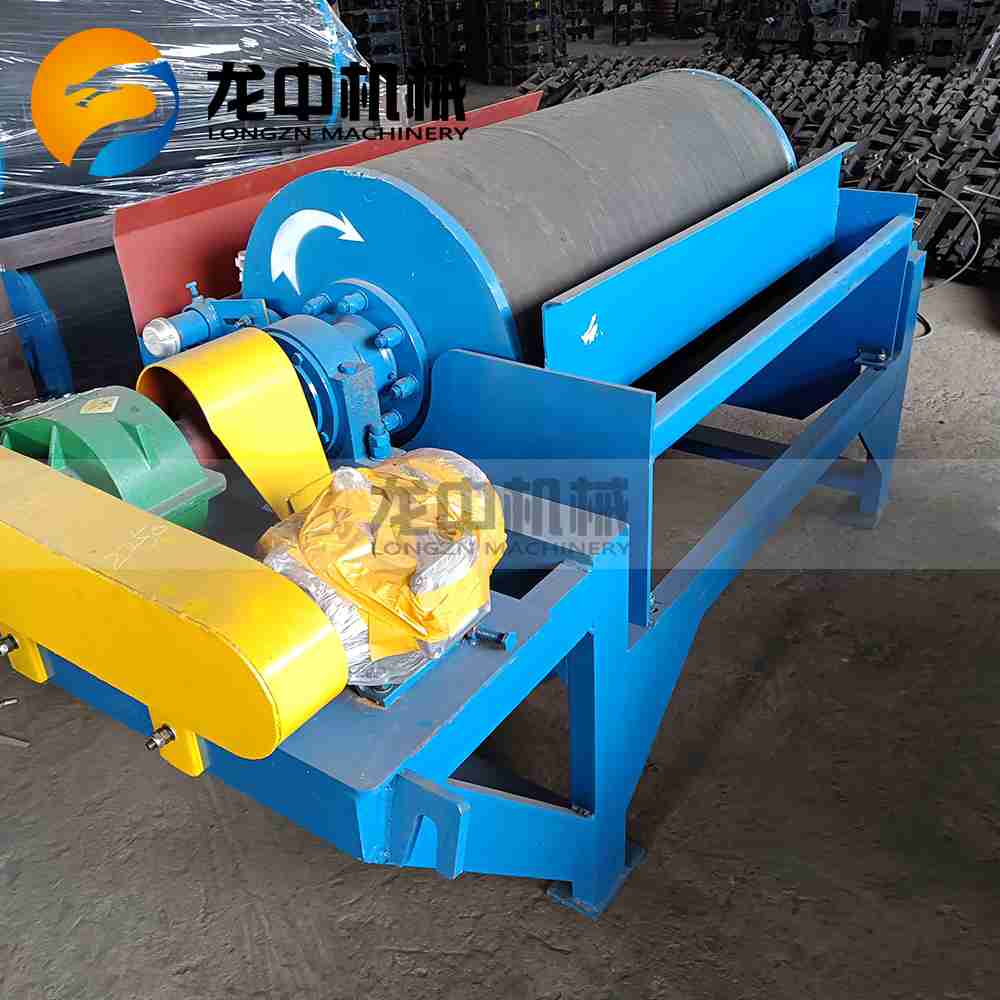
Magnetic Separators: Used as an auxiliary method, commonly for separating magnetic minerals associated with tungsten (e.g., garnet, magnetite) or for purifying wolframite concentrate.
Technical Key Points: Modern tungsten processing plants often employ combined "Gravity-Flotation-Magnetic" flowsheets. For example, gravity separation recovers coarse tungsten first, followed by regrinding and flotation of the gravity tailings to recover fine tungsten. Equipment selection, precise reagent dosing, and optimization of the circuit structure are decisive factors in improving tungsten recovery rates and concentrate grade.
(IV) Thickening and Dewatering System of the Tungsten Ore Processing Line
This is the "finalizing" stage of the production line, responsible for solid-liquid separation of the products.
Thickening Operation: Thickeners (or clarifiers) are used. The slurry from the separation stage, both concentrate and tailings, has a very low solids concentration. Thickeners utilize gravity settling to thicken it into an underflow slurry. The overflow water can be recycled, promoting water conservation and environmental protection.
Filtration Operation: Filters (such as Disc Filters or Chamber Filter Presses) are employed. They further dewater the thickened slurry to form filter cakes with low moisture content (typically <15%), facilitating transportation, storage, and sale. For tailings, employing high-efficiency tailings dry discharge equipment or large thickeners is key to achieving green mining and ensuring tailings storage facility safety.