
E-mail:
sale08@lzxkjx.comCall Us:
+86 15390744145
The platinum group metals (PGMs) mainly include platinum, palladium, rhodium, iridium, osmium, ruthenium, etc. Common PGM minerals mainly consist of native platinum, crude platinum ore, ferroplatinum, iridian platinum, osmiridium, iridosmine, native palladium, palladian gold, native gold, stibiopalladinite, michenerite, sperrylite, braggite, laurite, erlichmanite, kashinite, and argentite.
Currently, for the extraction of PGMs, the primary industrial methods employed are gravity separation, flotation, and their combined processes, with flotation being the most widely used.
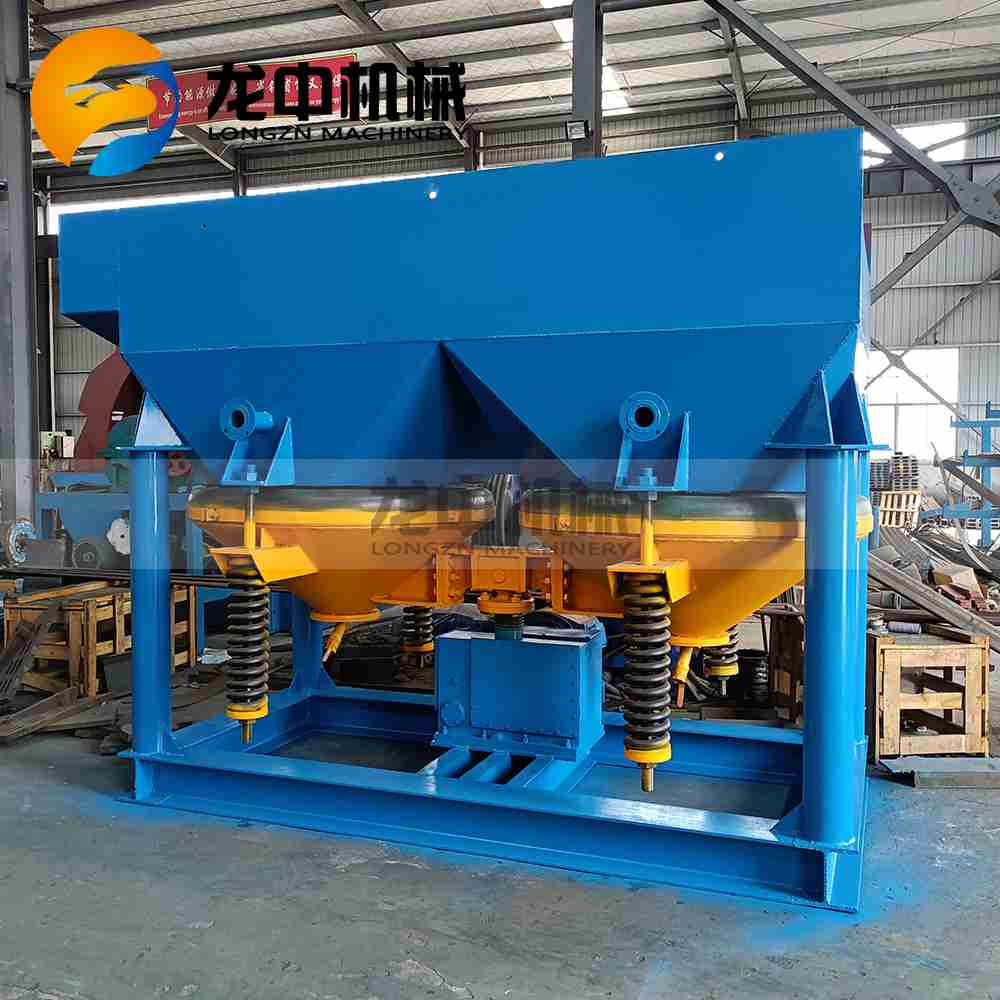
(1) Gravity Separation
The densities of PGM minerals are all above 7 g/cm³, with native metals and intermetallic compounds exceeding 10 g/cm³. Common minerals such as native platinum, crude platinum ore, and osmiridium even reach densities of 15–22 g/cm³. These values are not only significantly higher than those of common gangue minerals (generally 2.5–2.75 g/cm³, with a few reaching 4.3 g/cm³) but also higher than those of common base metal minerals (generally 3.6–5.5 g/cm³, with only individual minerals such as galena having a density of 7.2–7.6 g/cm³, though galena is rarely found in platinum ores).
Therefore, as long as the particle size is relatively large (generally greater than 0.04 mm) and the minerals can be liberated as individual particles, gravity separation can be used for enrichment. This method is typically applied to placer platinum deposits or primary ores where PGMs occur in relatively coarse grains. For some platinum ores, amalgamation or magnetic separation is often supplemented to improve concentrate grade and recovery.
(2) Flotation
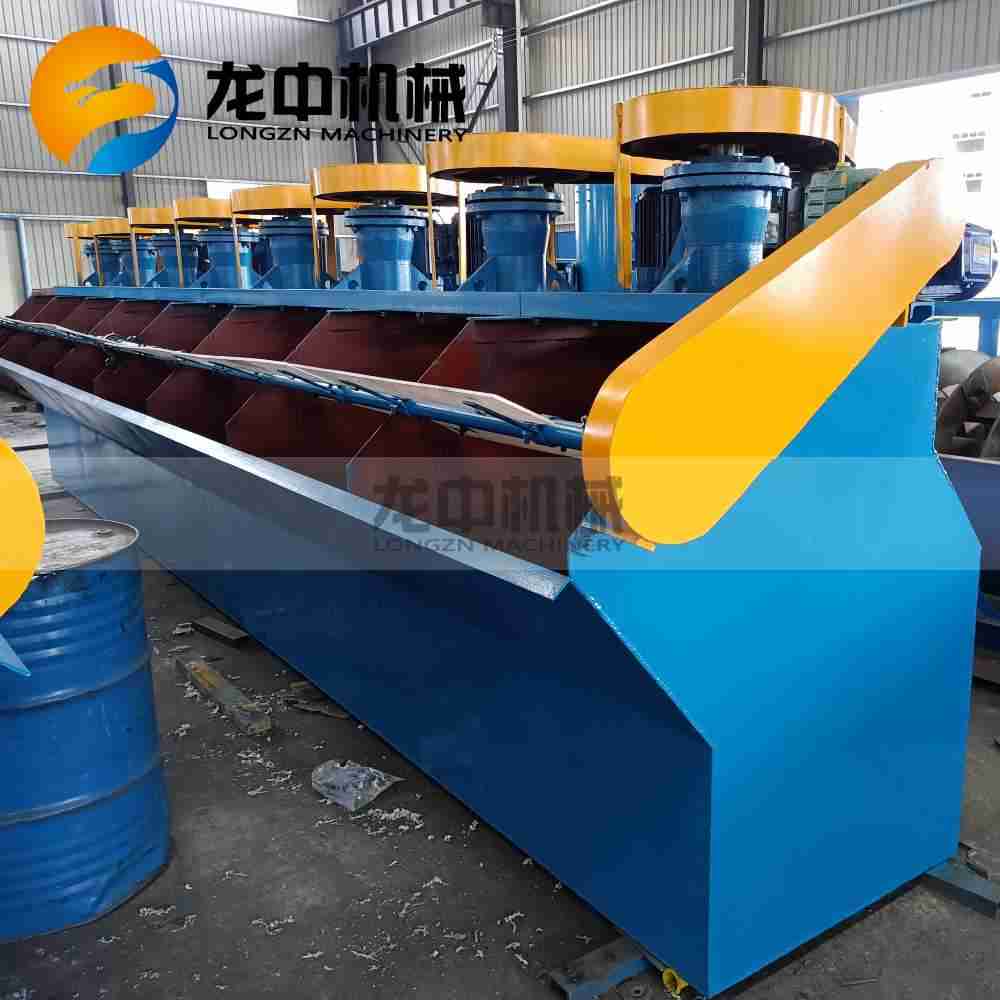
Most PGM minerals are hydrophobic and can attach to air bubbles. Additionally, in most currently exploited resources, fine-grained PGM minerals are typically associated with copper and nickel sulfide minerals. Thus, flotation has become the most important and widely applied beneficiation method for PGM-bearing ores. However, due to the high density of PGM minerals, when the particle size is relatively coarse, gravity separation is often supplemented. That is, a combined gravity-flotation process is required for more comprehensive and effective recovery. Flotation is currently mainly used to treat copper sulfide ores, allowing for the simultaneous recovery of PGM minerals along with copper and nickel sulfides. The beneficiation efficiency of PGM minerals is influenced by factors such as grinding fineness, medium acidity, types and dosages of reagents, and process arrangement. Typically, experiments tailored to the characteristics of different ores are necessary to determine the appropriate process flow and technical conditions.
(3) Combined Gravity-Flotation Process
For ores where PGM minerals occur in relatively coarse particle sizes, employing a combination of gravity separation and flotation can fully leverage the advantages of both methods, yielding better results. As early as the 1930s, the Rustenburg Platinum Mine in South Africa used a combined gravity-flotation process to treat oxidized and sulfide ores containing platinum. In the 1960s, the affiliated Waterval concentrator utilized velvet-covered sluices for gravity separation after flotation, obtaining "Rustenburg platinum mineral" (containing 30%–35% Pt, 4%–6% Pd, 2%–3% Au, 0.5% Ru) and a bulk flotation concentrate (containing 110–150 g/t of PGMs, with proportions: 63% Pt, 24% Pd, 5.3% Ru, 3.9% Rh, 3.0% Os, 0.9% Ir). The overall recovery of platinum and palladium was approximately 90%.
So, how are PGMs enriched?
Platinum group elements readily form alloys or intermetallic compounds with various transition metals and exhibit an affinity for sulfur rather than oxygen (though osmium and ruthenium are prone to oxidation and volatilization). Therefore, high-temperature chemical reactions can be employed to separate products enriched with PGMs from other materials. Commonly used methods include smelting and volatilization.
(1) Collectors for PGMs
Main collectors include lead, iron-nickel-copper, sulfur, tin, aluminum, and other metals as collectors.
(2) Matte Smelting and Converting.
(3) Volatilization (Vaporization)
Osmium and ruthenium among the PGMs are easily volatilized, and nearly all PGMs can form volatile chlorides. Based on these characteristics, PGMs can be enriched or recovered from ores or metallurgical intermediates. Conversely, other metal compounds can be volatilized, leaving the PGMs in the non-volatile material for enrichment. Common methods include: oxidation volatilization of osmium and ruthenium, chlorination volatilization, and carbonyl process for nickel removal.