
E-mail:
sale08@lzxkjx.comCall Us:
+86 15390744145
I. Gravity Separation Method for Tin Ore Beneficiation
Principle
Gravity separation, also known as gravity concentration, is a method that utilizes the density difference between tin and associated minerals for separation. During the gravity separation process, tin ore materials are subjected to external forces such as gravity and hydraulic flow, causing stratification and separation based on the density differences among different minerals, thereby achieving the purpose of separation.
Applicable Range
The gravity separation method is suitable for processing hard cassiterite, soft cassiterite, wolframite, etc., in tin ores. Hard cassiterite usually contains a high tin content and has a relatively high density, with a significant density difference from waste rock, so gravity separation can achieve good results. Although soft cassiterite has a lower tin content, its density difference is also large, making it similarly suitable for gravity separation. In addition, minerals with significant density differences, such as wolframite, are also applicable to gravity separation.
Equipment
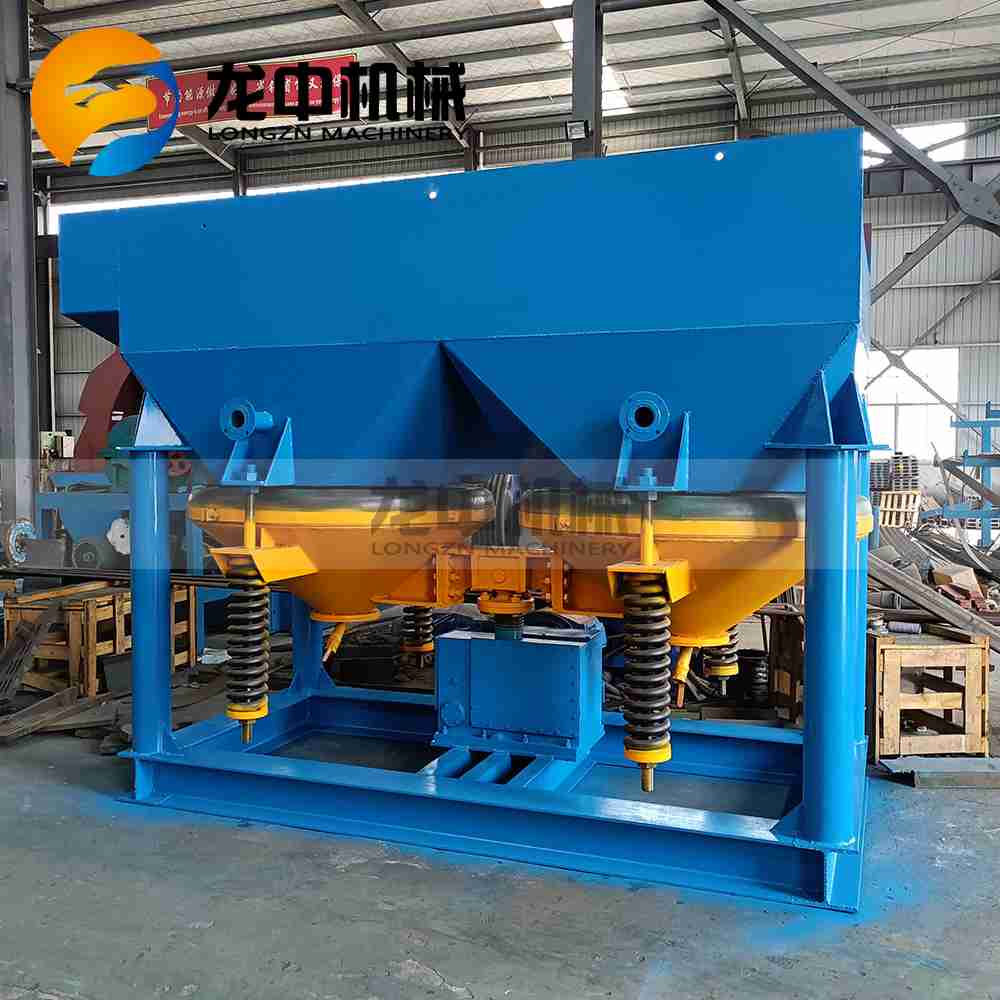
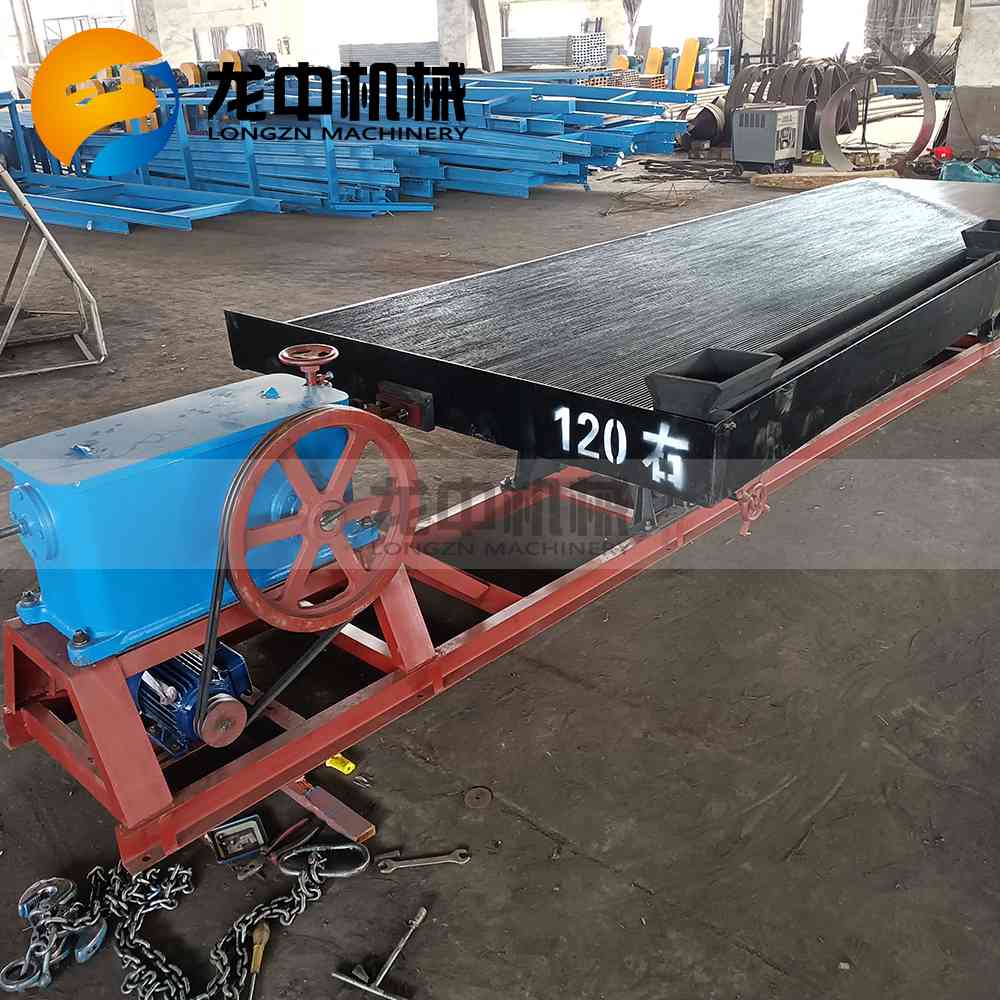
Commonly used equipment for gravity separation includes jigs, shaking tables, and spiral chutes. The jig is one of the most widely used gravity separation devices, suitable for processing coarse and medium-grained cassiterite. Shaking tables are mainly used for processing fine-grained cassiterite, and their separation efficiency is influenced by factors such as particle size, feed pulp density, table inclination, and water flow velocity. Spiral chutes are suitable for processing fine-grained materials, and their separation efficiency is affected by factors such as material properties, feed rate, and spiral trough structure.
Advantages and Disadvantages
The advantages of gravity separation are simple operation, low energy consumption, low investment, and relatively low environmental pollution. However, gravity separation is less effective for tin ore materials with fine particle sizes and small density differences. It also causes significant equipment wear and higher maintenance costs. Furthermore, gravity separation has limited processing capacity for associated minerals in tin ores, such as sulfides and oxides.
II. Flotation Method for Tin Ore Beneficiation
Principle
The flotation method utilizes differences in surface properties between tin minerals and the pulp for separation. During the flotation process, the hydrophobicity of tin mineral particles allows them to attach to air bubbles and rise to the pulp surface along with the bubbles, thereby achieving separation from waste rock.
Applicable Range
The flotation method is suitable for processing fine-grained tin ores and tin ore materials that are difficult to treat by gravity separation. For associated minerals such as sulfides and oxides in tin ores, flotation has good separation effects. Additionally, flotation can be used to recover valuable elements like tungsten and bismuth from tin ores.
Equipment
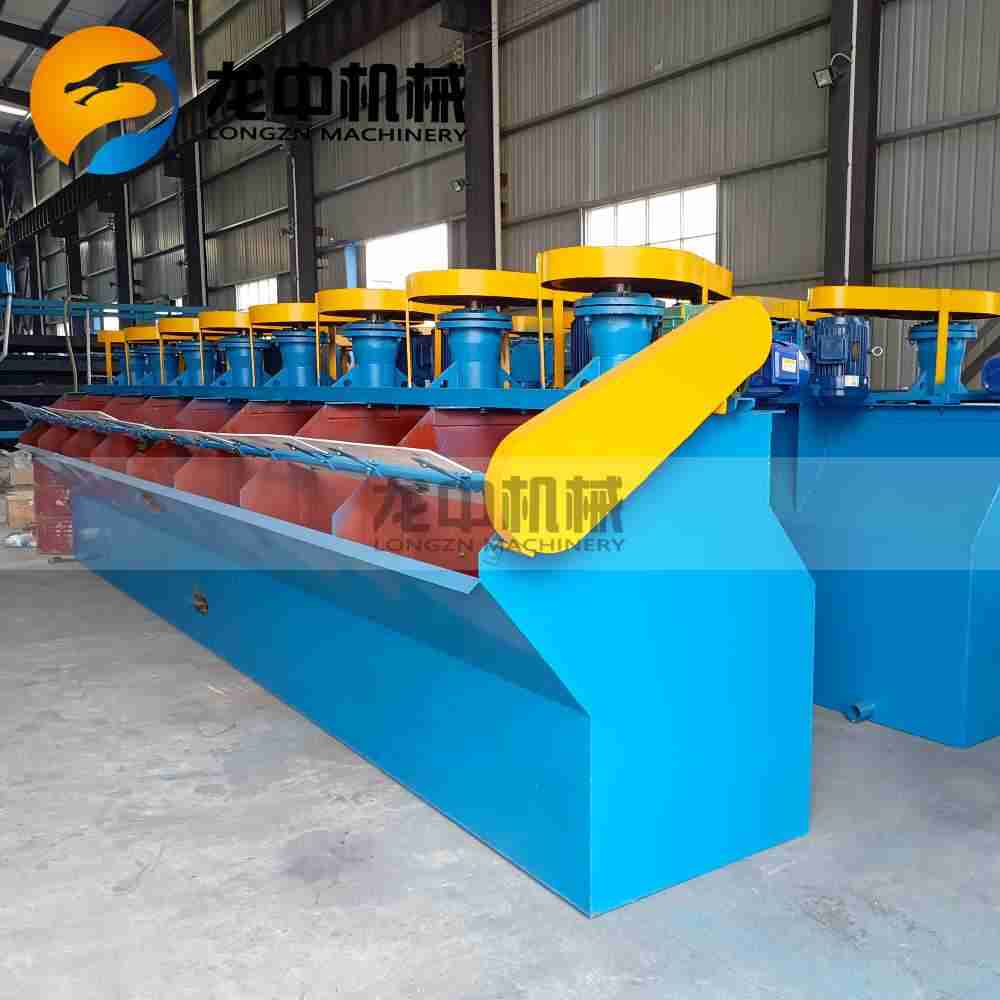
Commonly used equipment for flotation includes flotation machines, agitation tanks, and pulp transportation systems. The flotation machine is the core equipment for tin ore flotation, with various types such as mechanical agitation flotation machines and aerated flotation machines. Agitation tanks and pulp transportation systems are used to ensure pulp uniformity and fluidity to meet the requirements of the flotation process.
Advantages and Disadvantages
The advantages of flotation are its ability to process fine-grained tin ores and associated minerals with good separation results. However, flotation has issues such as high energy consumption, significant reagent consumption, and relatively serious environmental pollution. Furthermore, flotation has limited processing capacity for high-density minerals like hard cassiterite in tin ores.
III. Magnetic Separation Method for Tin Ore Beneficiation
Principle
The magnetic separation method utilizes the magnetic differences between tin minerals and associated minerals for separation. During the magnetic separation process, when tin ore materials pass through a magnetic field, magnetic mineral particles are adsorbed onto the magnetic system of the separator under the action of magnetic force, thereby achieving separation from waste rock.
Applicable Range
Magnetic separation is mainly suitable for processing magnetic minerals in hard cassiterite, such as magnetite and hematite. These magnetic minerals have a small density difference from cassiterite but a significant magnetic difference, allowing magnetic separation to achieve good results.
Equipment
Commonly used equipment for magnetic separation includes dry magnetic separators and wet magnetic separators. Dry magnetic separators are suitable for processing dry or low-moisture tin ore materials, while wet magnetic separators are suitable for processing tin ore materials with high water content. The magnetic field strength and magnetic system structure of the separator significantly affect the separation efficiency.

Advantages and Disadvantages
The advantages of magnetic separation are simple operation, low investment, and relatively low environmental pollution. However, magnetic separation has limited processing capacity for non-magnetic minerals in tin ores and is less effective for fine-grained or weakly magnetic minerals. Additionally, attention must be paid to magnetic field strength and equipment maintenance to ensure separation effectiveness.
In summary, the three common methods for tin ore beneficiation each have their own advantages, disadvantages, and applicable ranges. In practical applications, it is necessary to comprehensively consider factors such as the specific properties of the tin ore, beneficiation objectives, and economic benefits to select the appropriate method. Meanwhile, with continuous technological progress and increasing environmental requirements, tin ore beneficiation technology is also constantly developing and innovating to meet higher resource utilization efficiency and environmental standards.
IV. Innovation and Development of Tin Ore Beneficiation Technology
Introduction of Environmental Protection Technologies
With the increasing awareness of environmental protection and the improvement of environmental regulations, the environmental impact of the tin ore beneficiation process is receiving more attention. Therefore, environmental protection technologies are gradually being introduced into tin ore beneficiation, such as comprehensive tailings utilization, wastewater treatment, and exhaust gas purification, to reduce pollution and environmental damage. For example, using bioprocessing technology for comprehensive tailings utilization can not only reduce tailings stockpiles but also extract valuable elements from tailings, maximizing resource utilization.
Application of Intelligent Technologies
With the rapid development of computer and automation technologies, intelligent technologies are gradually being applied in the tin ore beneficiation process. Intelligent technologies can achieve automation, informatization, and intelligent management of the beneficiation process, improving efficiency and resource utilization. For example, using intelligent control systems for real-time regulation of flotation machines can automatically adjust reagent dosage and bubble size based on changes in pulp properties, thereby optimizing flotation performance.
Application of Comprehensive Beneficiation Technologies
Comprehensive beneficiation technology refers to the combined use of multiple beneficiation methods to improve the comprehensive utilization rate of tin ore resources. This technology can select appropriate beneficiation methods based on the specific properties and requirements of the tin ore and optimize process flows and equipment configurations to achieve efficient utilization. For example, for complex and refractory tin ores, a combination of gravity separation, flotation, and magnetic separation can be used to improve tin recovery and grade.
Development of New Beneficiation Reagents and Equipment
With technological advancements and rising environmental requirements, the development of new beneficiation reagents and equipment has become an important direction for tin ore beneficiation technology. New beneficiation reagents offer better selectivity and higher activity, enabling more effective extraction of valuable elements from tin ores. Meanwhile, new beneficiation equipment features higher automation and lower energy consumption, improving beneficiation efficiency and reducing production costs. For example, using new high-efficiency flotation reagents and high-efficiency agitation flotation machines can significantly improve flotation performance and recovery rates for tin ores.
Tin mining methods are one of the critical links in tin ore resource development, and their technological level directly affects the utilization efficiency and economic benefits of tin ore resources. Gravity separation, flotation, and magnetic separation are the three commonly used methods in tin ore beneficiation, each with its own advantages, disadvantages, and applicable ranges. In practical applications, it is necessary to select the appropriate beneficiation method based on the specific properties and requirements of the tin ore and improve beneficiation efficiency and resource utilization through optimized process flows and equipment configurations. Simultaneously, with continuous technological progress and increasing environmental requirements, tin ore beneficiation technology is also constantly developing and innovating to adapt to higher demands for resource utilization efficiency and environmental protection.