
E-mail:
sale08@lzxkjx.comCall Us:
+86 15390744145
In nature, tantalum (Ta) and niobium (Nb) rarely occur as native elements. They are typically found as complex oxide minerals, primarily within the columbite-tantalite series. These minerals are often intimately associated with other valuable components such as cassiterite, wolframite, zircon, and monazite. Consequently, the efficient and economic separation and concentration of tantalum-niobium minerals from their ores represent a critically important and technologically complex step in the entire production chain. Modern beneficiation methods for tantalum-niobium ores involve a multi-stage, integrated process that can be broadly divided into three phases: pretreatment, primary concentration, and intensive cleaning.
I. Pretreatment Stage: Crushing, Grinding, and Washing/Screening
The primary goal of the initial stage is to liberate the valuable minerals from the waste gangue. Tantalum-niobium ores are typically hard yet brittle, and primary ores are often mixed with weathered clays.
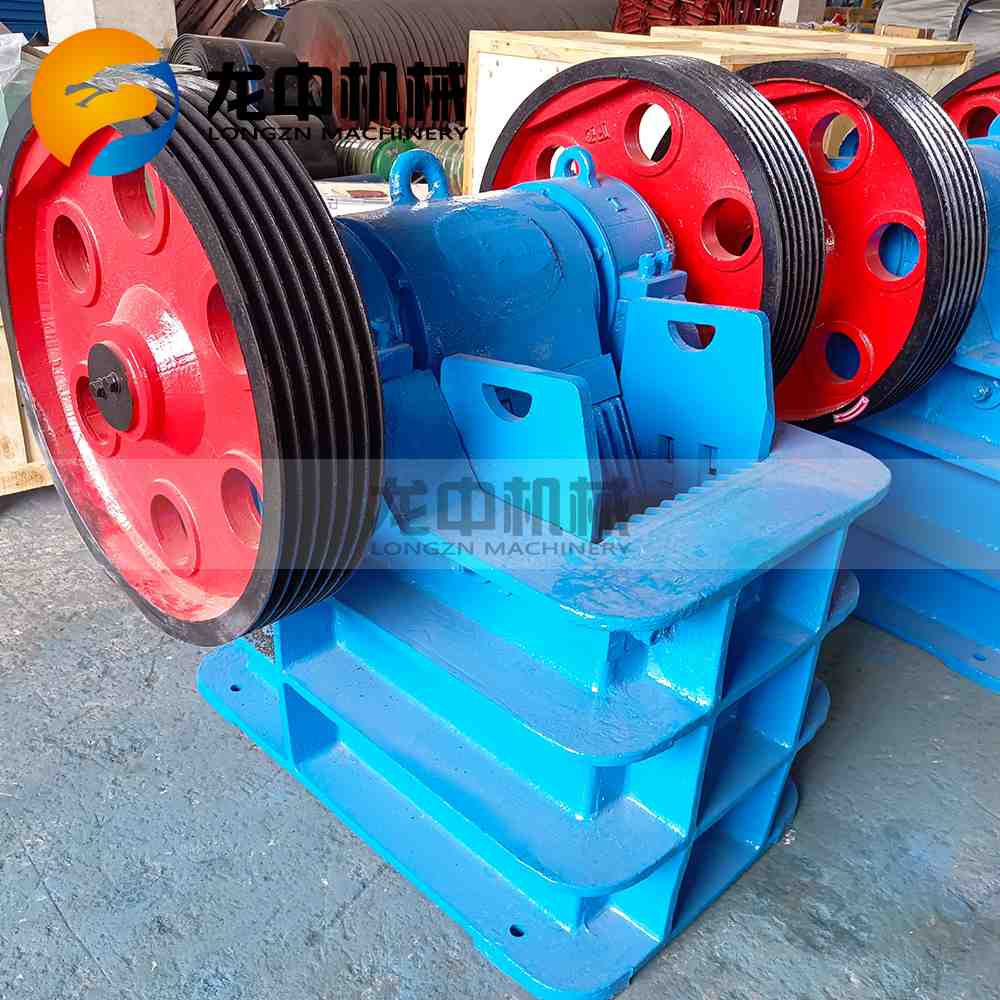
Crushing and Grinding: The principle of "multi-stage crushing and stage grinding" is commonly applied. The run-of-mine ore is first subjected to primary and secondary crushing using equipment like jaw crushers and cone crushers to reduce the particle size. Subsequently, it undergoes fine grinding in rod mills or ball mills. The key objective in grinding is to achieve "selective liberation"—maximizing the release of Ta-Nb minerals from their intergrown gangue while minimizing the generation of excessive fine particles (slimes). Over-grinding and slime formation can severely hinder subsequent separation efficiency. Therefore, grinding circuits often operate in a closed loop with classification equipment such as spiral classifiers or hydrocyclones, ensuring that material of the desired particle size advances while oversize particles are returned for further grinding.
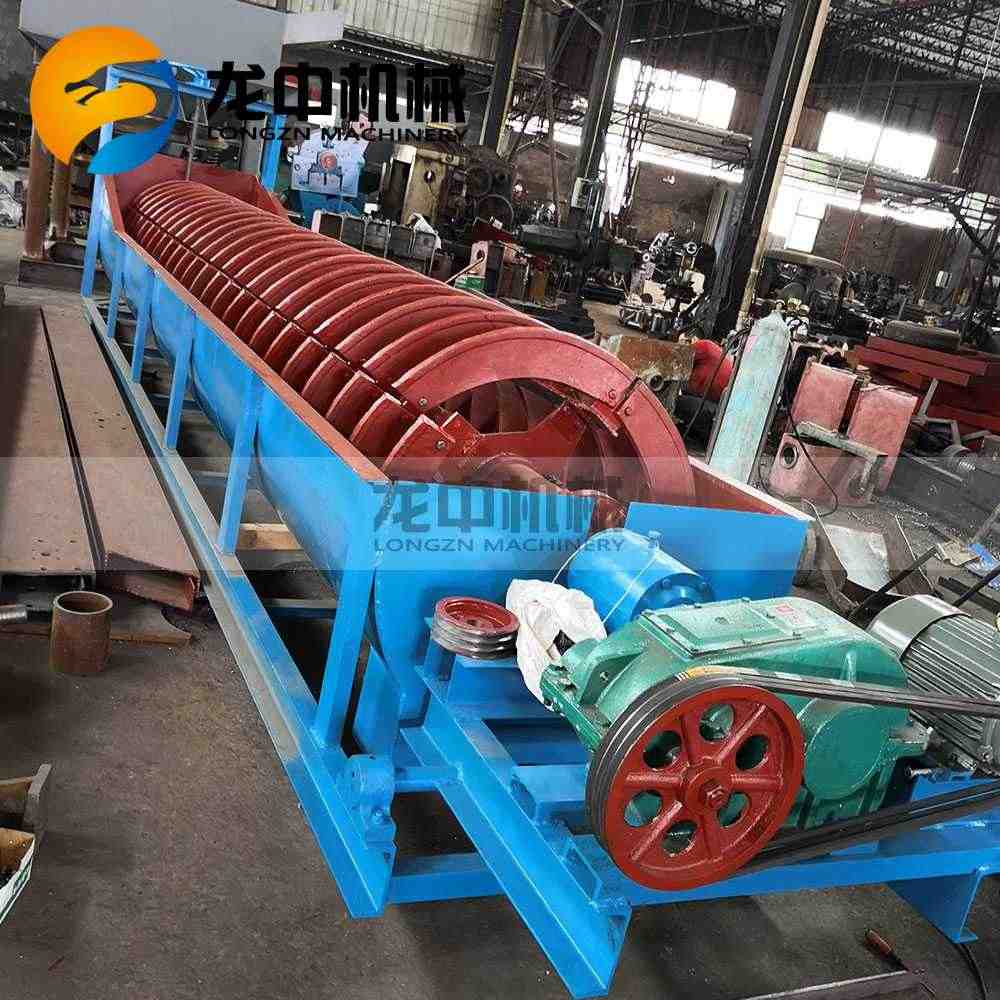
Washing and Classification: Washing is essential for treating placer deposits or highly weathered primary ores with significant clay content. Equipment like scrubbers and trommel screens effectively remove clay and slimes adhering to mineral surfaces, creating favorable conditions for subsequent gravity separation. Following washing, the material is typically classified using hydraulic classifiers (e.g., spiral classifiers, hydrocyclone clusters) based on differences in particle settling velocities. Classification is crucial as it provides a feed with a uniform size distribution for subsequent gravity separation, significantly enhancing efficiency.
II. Primary Concentration Stage: The Dominant Role of Gravity Separation
Gravity separation is the most fundamental, efficient, and economically viable method for concentrating Ta-Nb minerals due to the significant density difference between these minerals (columbite-tantalite density ranges from 5.3 to 8.3 g/cm³) and most gangue minerals (e.g., quartz and feldspar with densities around 2.6-2.8 g/cm³). This stage typically employs a combination of various gravity concentration devices.
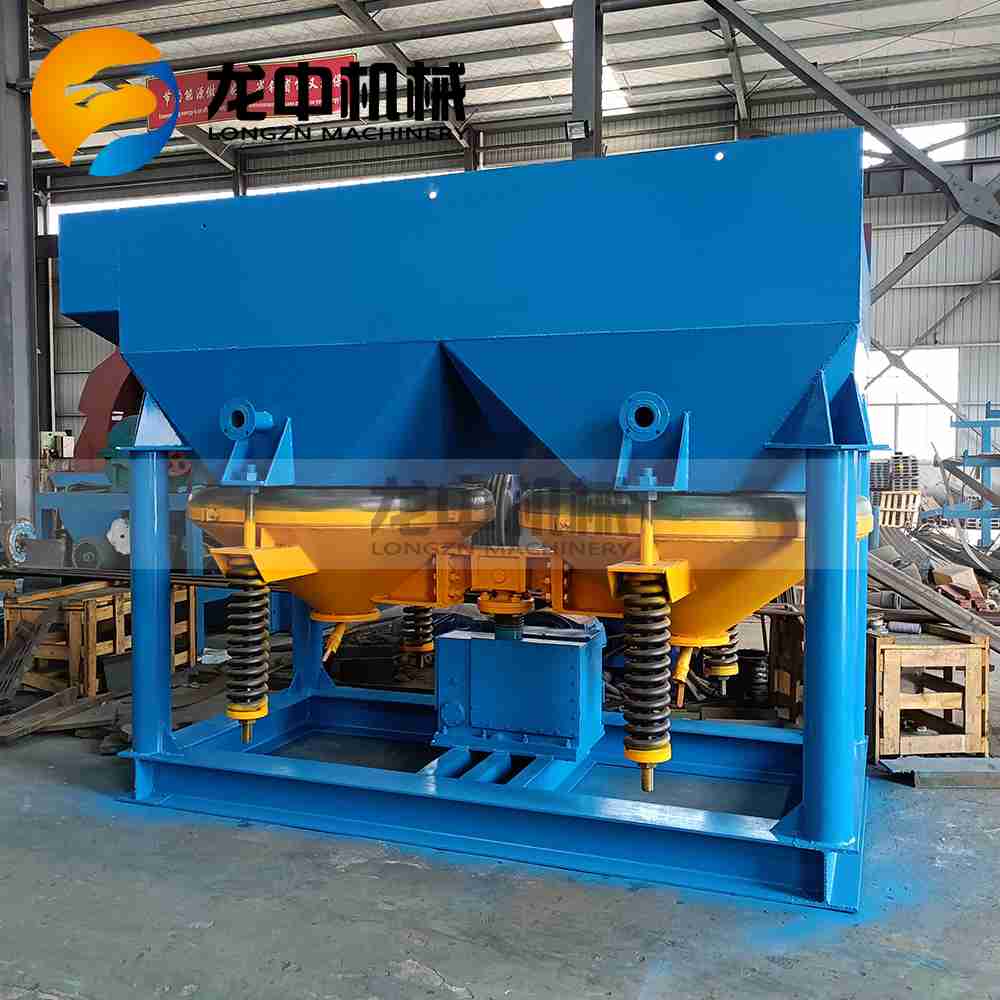
Jiggi Machine: Primarily used for treating coarse to medium-sized material (typically >0.5 mm). Jigs utilize pulsating water flow to stratize materials by density vertically. The denser Ta-Nb minerals concentrate in the bottom layer and are discharged as concentrate, while the lighter gangue material forms the top layer and is discarded as tailings. Jigs offer high throughput and recovery, making them the preferred equipment for roughing circuits.
Spiral Concentrators and Shaking Tables:
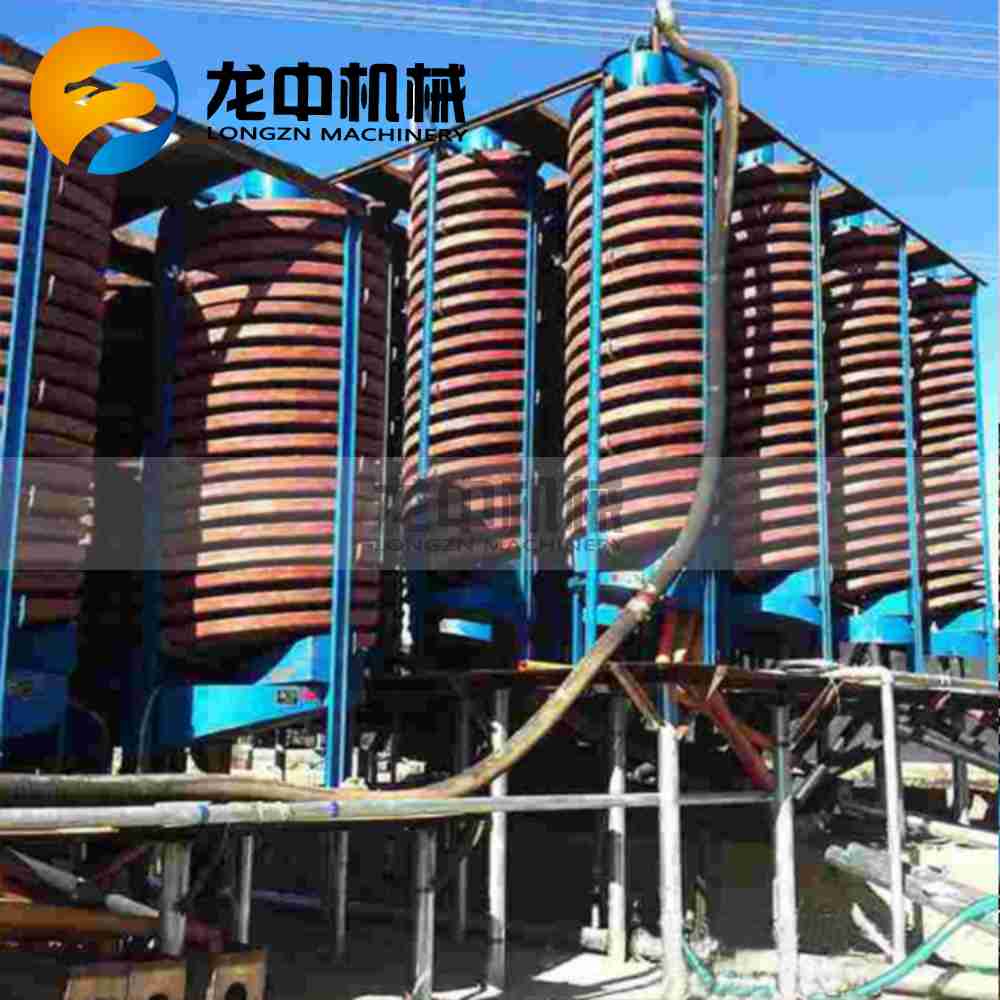
Spiral Concentrators: Mainly used for processing fine material (typically 0.1-0.5 mm). As slurry flows down the spiral trough, a combination of gravitational, centrifugal, frictional, and fluid drag forces causes heavy minerals to migrate towards the inner side of the trough and light minerals towards the outer side, achieving separation. Spiral concentrators are simple, have no moving parts, offer high throughput, and have low operating costs, making them widely used in fine particle roughing and scavenging operations.
Shaking Tables: Among gravity separation methods, shaking tables offer one of the highest degrees of separation precision. They are commonly used for cleaning rough concentrates and in scavenging circuits. Through an asymmetrical reciprocating motion of the table deck and cross-flow water, they can separate minerals based on both density and particle size, producing high-grade Ta-Nb concentrate, middlings, and final tailings. Although their throughput is relatively lower, their separation efficiency is often indispensable.
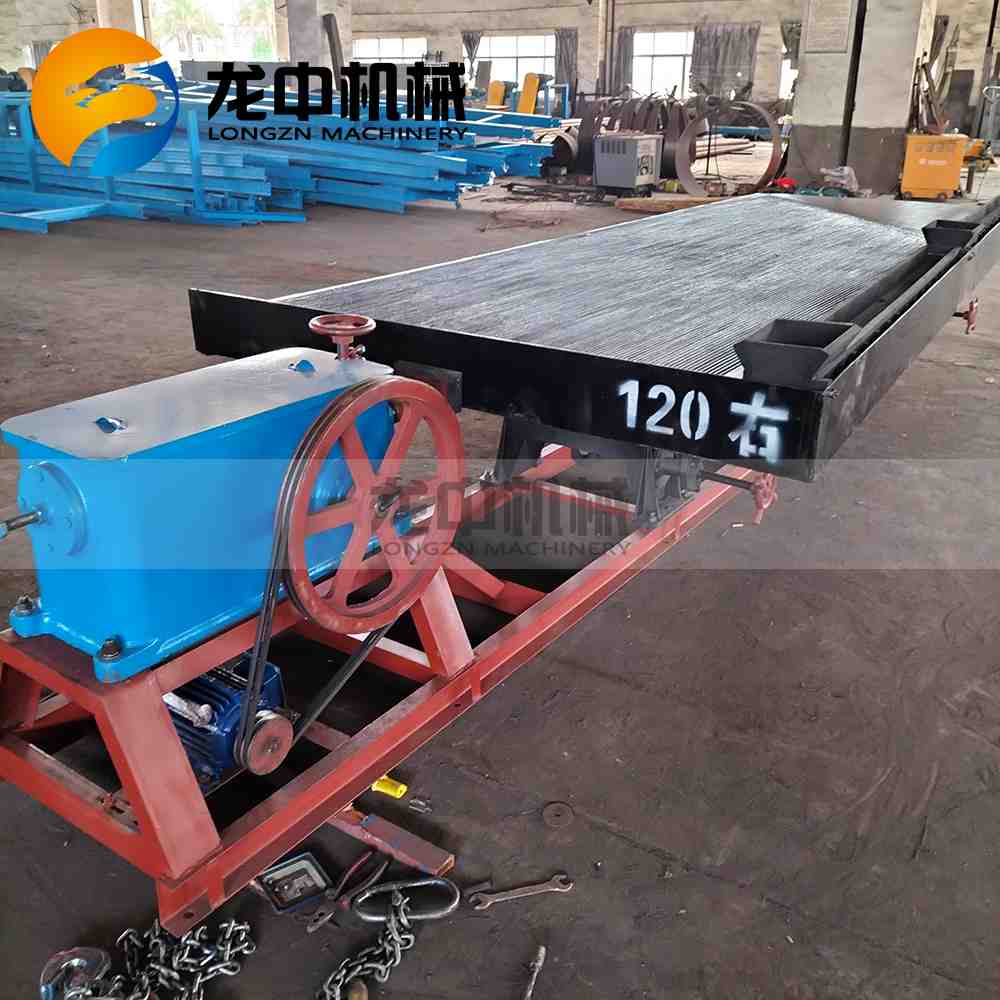
Centrifugal Concentrators: The efficiency of traditional gravity separators diminishes when recovering very fine Ta-Nb particles (-0.1 mm, especially -0.074 mm). Centrifugal concentrators generate a powerful centrifugal force field, which greatly enhances the separation process for ultra-fine particles and significantly improves the recovery of Ta-Nb from slimes. They have become essential, critical equipment in modern Ta-Nb processing plants.
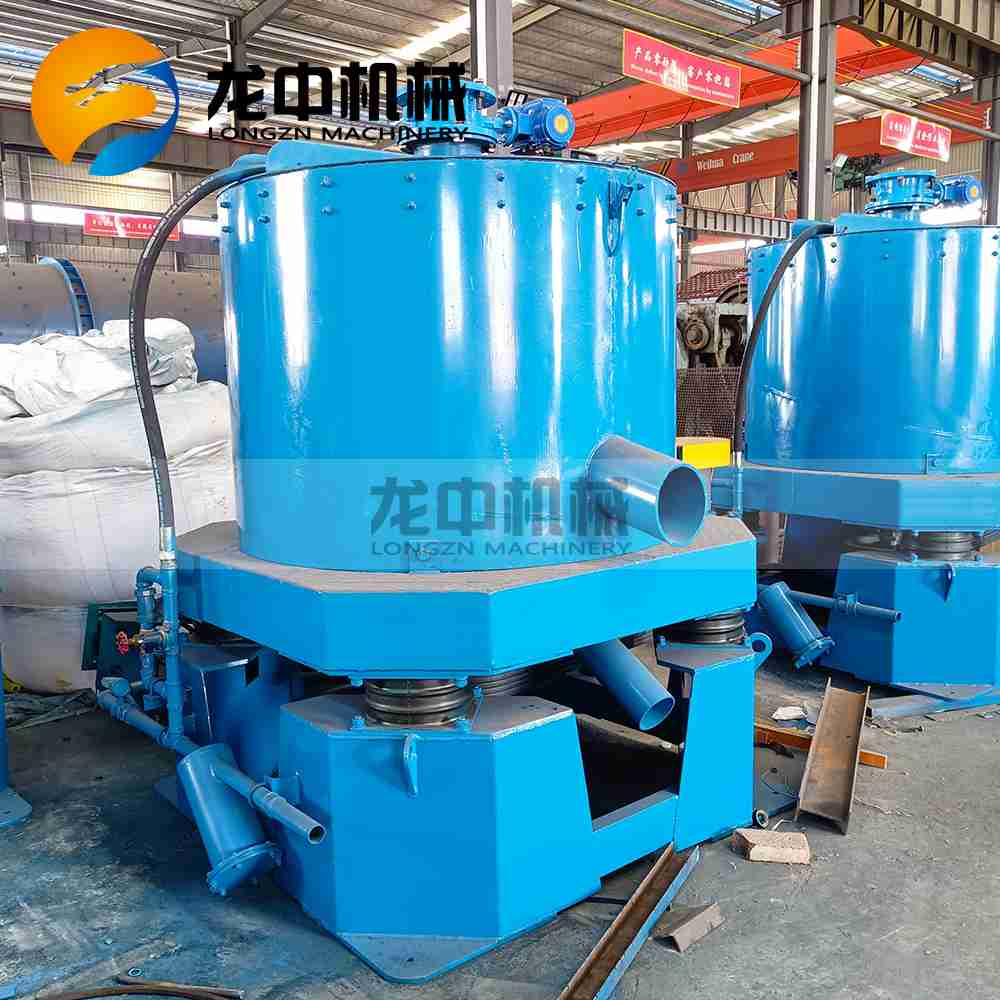
III. Intensive Cleaning and Integrated Process Stage: Addressing Complex Associations
The rough concentrate obtained from gravity separation, while significantly upgraded, still contains various impurity minerals with differing magnetic susceptibility, electrical conductivity, or floatability. To produce a high-purity Ta-Nb concentrate meeting market specifications, an intensive cleaning circuit integrating multiple beneficiation methods is necessary.
Magnetic Separation: Tantalite and columbite typically exhibit weak to moderate magnetic susceptibility, while common associated minerals like cassiterite (non-magnetic), wolframite (weakly magnetic), and garnet (strongly magnetic) have varying magnetic properties. Therefore, High-Gradient Magnetic Separators (HGMS) are powerful tools for separating these minerals. By adjusting the magnetic field intensity, Ta-Nb minerals can be effectively separated from non-magnetic cassiterite and zircon, as well as from strongly magnetic iron minerals and garnet. Magnetic separation is the most common and effective cleaning method for purifying Ta-Nb concentrates.
Flotation: Flotation offers distinct advantages for treating ores with extremely fine-grained dissemination and complex intergrowths, or when gravity methods are ineffective at recovering ultra-fine Ta-Nb particles. Using specific collectors (e.g., phosphonic acids, hydroxamic acids) and modifiers, the surface of Ta-Nb minerals can be selectively rendered hydrophobic, allowing them to attach to air bubbles and float, thereby separating them from gangue like silicates. Flotation holds significant potential for processing low-grade, complex, and refractory Ta-Nb ores.
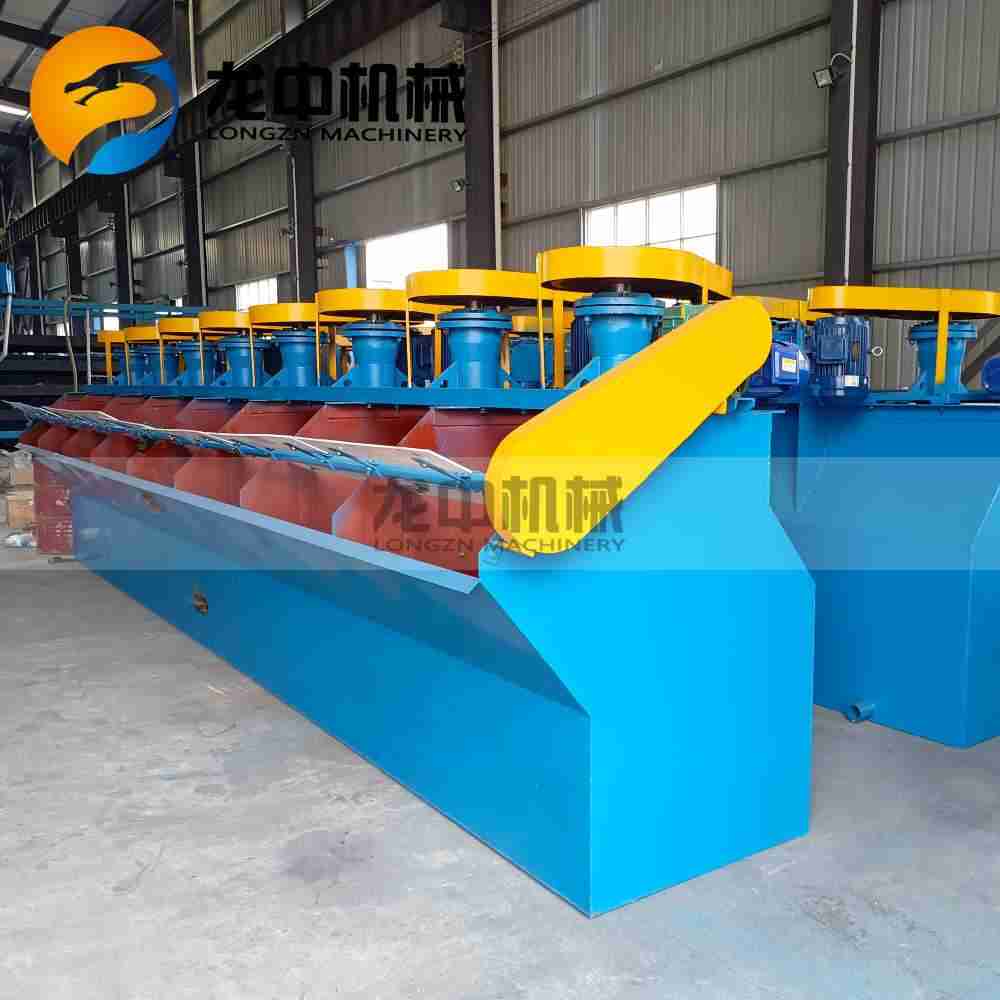
Electrostatic Separation: This method exploits differences in mineral conductivity within a high-voltage electric field. For example, Ta-Nb minerals generally possess better conductivity than zircon or quartz. Electrostatic separation is often used as a supplementary operation following magnetic separation or flotation to further separate minerals with similar conductivity, yielding the final high-purity concentrate.
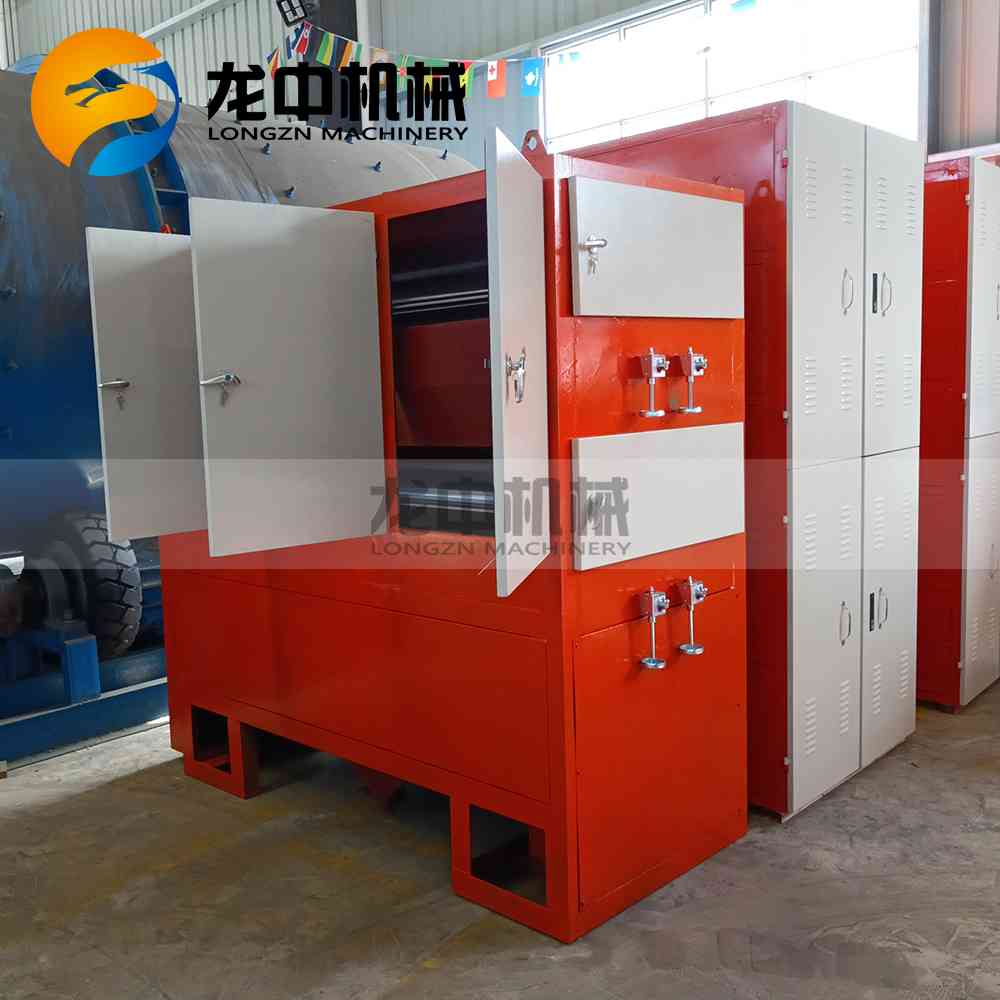
Radiometric Sorting and Acid Leaching:
Radiometric Sorting: For coarse material, X-ray radiometric sorters can be employed. These machines detect the differential fluorescence emitted by Ta-Nb minerals versus gangue upon exposure to X-rays. A detector identifies the valuable particles and triggers a high-pressure air jet to separate them, achieving pre-concentration.
Acid Leaching: This chemical treatment method is used primarily to remove residual impurities like phosphates, carbonates, or iron-manganese oxides from the concentrate, further enhancing its quality.
IV. Tantalum-Niobium Ore Beneficiation: Process Flow Summary and Trends
A typical tantalum-niobium processing plant employs an optimized combination of multiple methods, often following a "Gravity-Magnetic-Flotation-Electrostatic" integrated flow sheet. A common process flow might be:
Run-of-Mine Ore → Crushing → Grinding → Classification → Jigging (Roughing) → Spirals (Scavenging) → Shaking Tables (Cleaning) → Gravity Rough Concentrate → Drying → High-Gradient Magnetic Separation (Removing non-magnetic & strongly magnetic impurities) → Electrostatic Separation or Flotation (Further purification) → Final Ta-Nb Concentrate.
Looking ahead, the trend in tantalum-niobium beneficiation technology is towards developing more environmentally friendly reagents, smarter process control systems, and equipment with higher efficiency for recovering ultra-fine particles. This continuous evolution aims to improve the comprehensive utilization of resources associated with these strategically critical metals.