
E-mail:
sale08@lzxkjx.comCall Us:
+86 15390744145
The Carbon-in-Pulp (CIP) process is one of the methods used in cyanidation gold extraction. It refers to the technological process where, after the cyanide leaching of gold-bearing material is completed, adsorption of the monovalent gold cyanide complex [KAu(CN)₂] onto activated carbon takes place.
The property of activated carbon to adsorb precious metals from solutions was discovered long ago. Initially, it was only used to adsorb gold from clarified solutions, and the gold-loaded carbon was then smelted to recover the gold. However, due to the need for solid-liquid separation of the cyanide slurry to obtain a clear solution and the fact that the activated carbon could not be reused, this method could not compete industrially with the widely adopted zinc cementation process.
Later, the technique of using activated carbon to directly adsorb gold from low-grade cyanide slurries was developed, thereby eliminating the solid-liquid separation step. The gold and silver were then desorbed from the loaded activated carbon using a mixture of sodium hydroxide and sodium cyanide solutions, and the activated carbon could be reactivated and returned to the circuit. Consequently, in recent years, the CIP method has evolved into a new, widely adopted process for gold extraction. In China, production plants utilizing the CIP process have been established at sites such as the Linghu Gold Mine in Henan Province and the Chiweigou Gold Mine in Jilin Province.
The Carbon-in-Pulp gold extraction process comprises several key unit operations, including feed preparation and activated carbon regeneration.
(1) Feed Preparation
The gold-bearing material is crushed and ground to a particle size suitable for cyanidation, generally requiring that it be finer than 28 mesh. Impurities such as wood chips are removed. The slurry is then thickened and dewatered to achieve a suitable density for leaching, typically 45–50% solids.
(2) Agitation Leaching
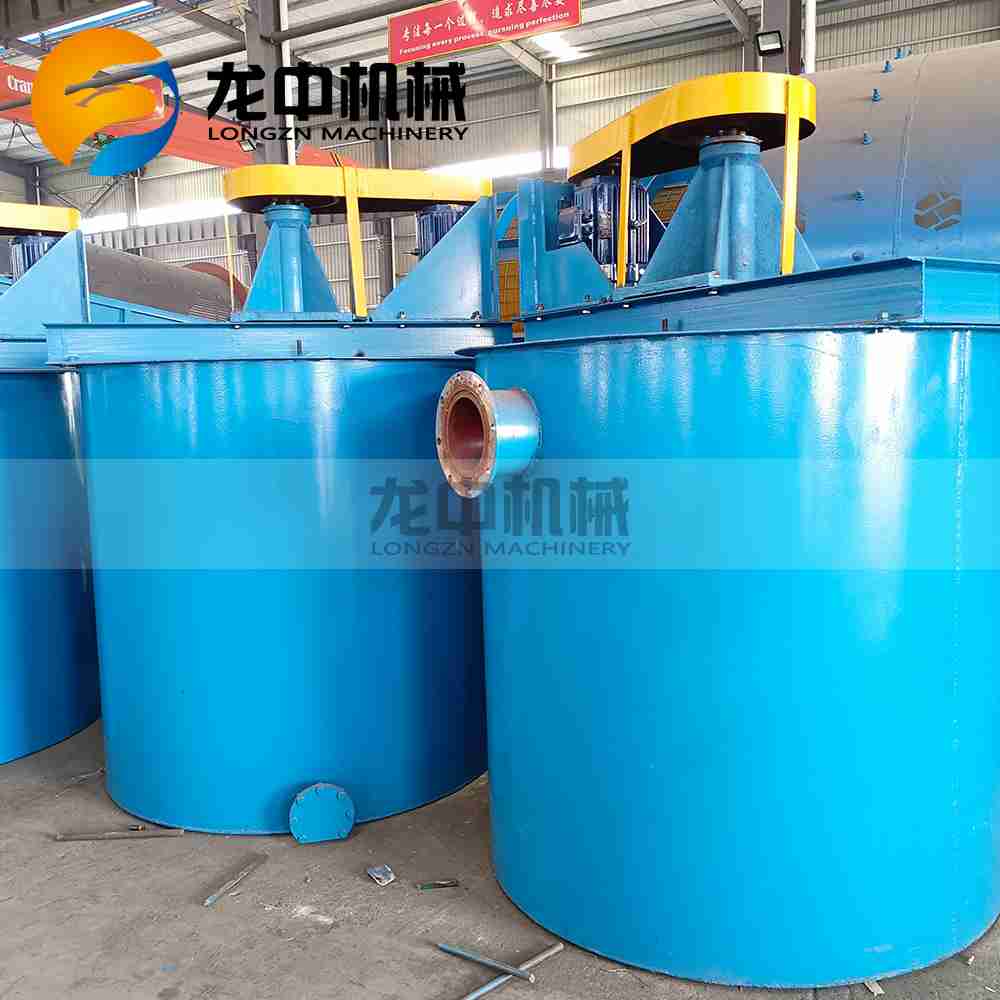
This step is similar to conventional cyanidation processes and is typically carried out in a series of 5 to 8 agitation tanks.
(3) Carbon Adsorption
The cyanide slurry enters agitated adsorption tanks (CIP tanks), where counter-current flow of activated carbon and slurry is achieved. The carbon adsorbs the dissolved gold from the slurry. Interstage screens (e.g., bridge screens) are used to retain the carbon within the tanks while minimizing carbon attrition. Currently, the apertures of bridge screens can be prone to blockage by carbon particles, requiring cleaning with compressed air.
(4) Desorption of Gold-Loaded Carbon
Currently, four main methods are used for desorption:
Desorption using a hot caustic sodium cyanide solution.
Desorption using a concentrated caustic sodium cyanide solution with the addition of alcohol.
Desorption using a caustic sodium cyanide solution under elevated temperature and pressure.
Desorption using a high-concentration caustic sodium cyanide solution.
(5) Electrowinning or Conventional Zinc Cementation for Gold Recovery
Desorption of the gold-loaded carbon yields a high-grade pregnant solution containing up to 600 g/m³ of gold. Gold is recovered from this solution either by electrowinning or by the Merrill-Crowe zinc precipitation process. The resulting gold sludge is then smelted to produce gold bullion (ingots).
(6) Carbon Regeneration and Reuse
After desorption, the carbon is first acid-washed, typically with dilute sulfuric acid (or nitric acid), to remove accumulated inorganic foulants such as carbonates. After several cycles of use, the carbon requires thermal reactivation to restore its adsorption activity.
The Carbon-in-Pulp method is primarily suitable for processing oxidized gold ores with a high content of slimes. Due to the high clay/slime content, solid-liquid separation is difficult, and conventional filtration equipment cannot effectively separate the pregnant solution from the residue. Therefore, the traditional cyanidation process often fails to achieve satisfactory technical and economic indices under such conditions. Practical application has demonstrated the success of the CIP process in industrial production; for instance, at the Linghu Gold Mine, with a head grade of approximately 8 g/t gold, the overall gold recovery rate reaches 93% to 94%.