E-mail:
sale08@lzxkjx.comCall Us:
+86 15390744145
During the operation of a jacketed centrifuge, its operational status should be closely monitored. First, attention should be paid to the sound of the centrifuge. Under normal operation, it should produce a smooth and even running sound. If abnormal noises occur during operation, such as sharp friction sounds or irregular vibration noises, this may indicate issues such as internal component wear, looseness, or imbalance. In such cases, the centrifuge should be stopped immediately for inspection and repair to prevent further damage to the equipment.
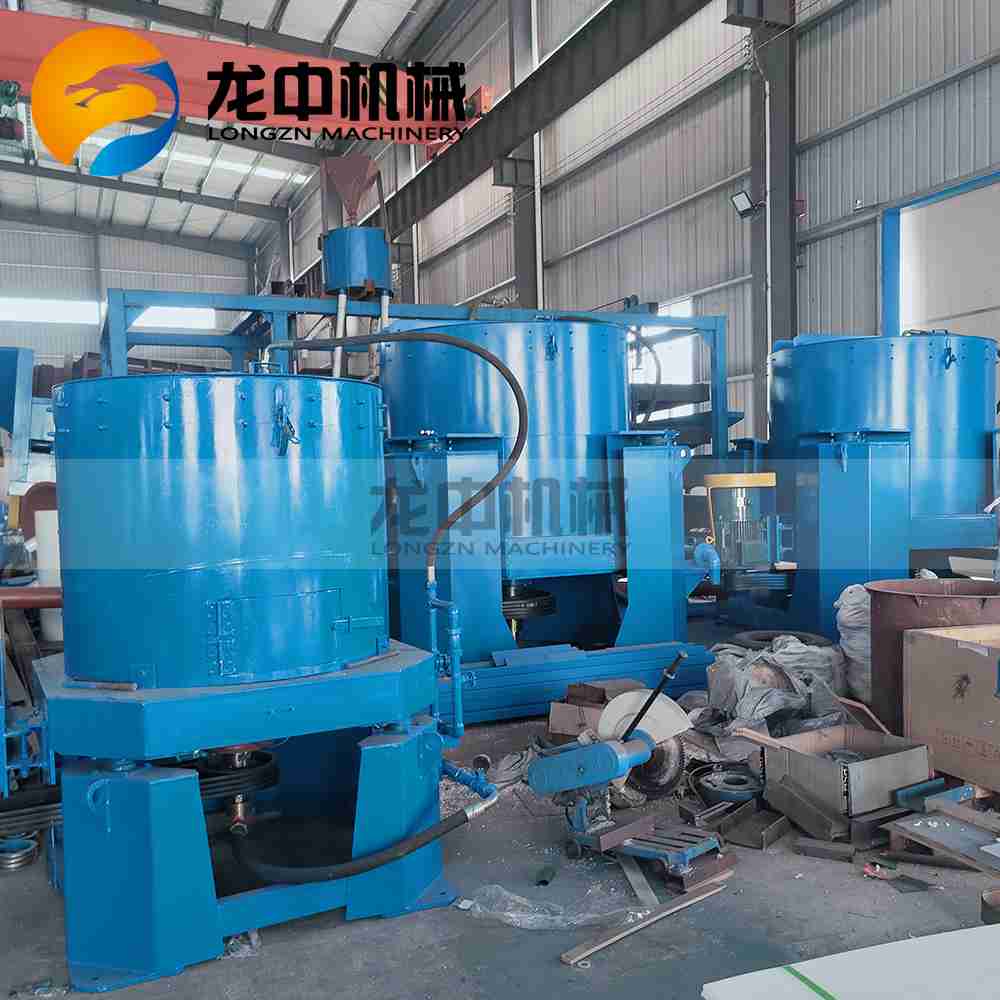
Monitoring the temperature changes of the centrifuge is also crucial. The function of the water jacket is to dissipate the heat generated during operation, ensuring the equipment operates within a suitable temperature range. During operation, one can roughly assess whether the temperature is normal by touching the centrifuge housing (taking care to avoid burns), or use tools such as thermometers to monitor the water temperature in the jacket. If the temperature is found to be excessively high, it may indicate a malfunction in the cooling system of the water jacket, such as a non-functional water pump or restricted water flow, which should be promptly investigated and resolved.
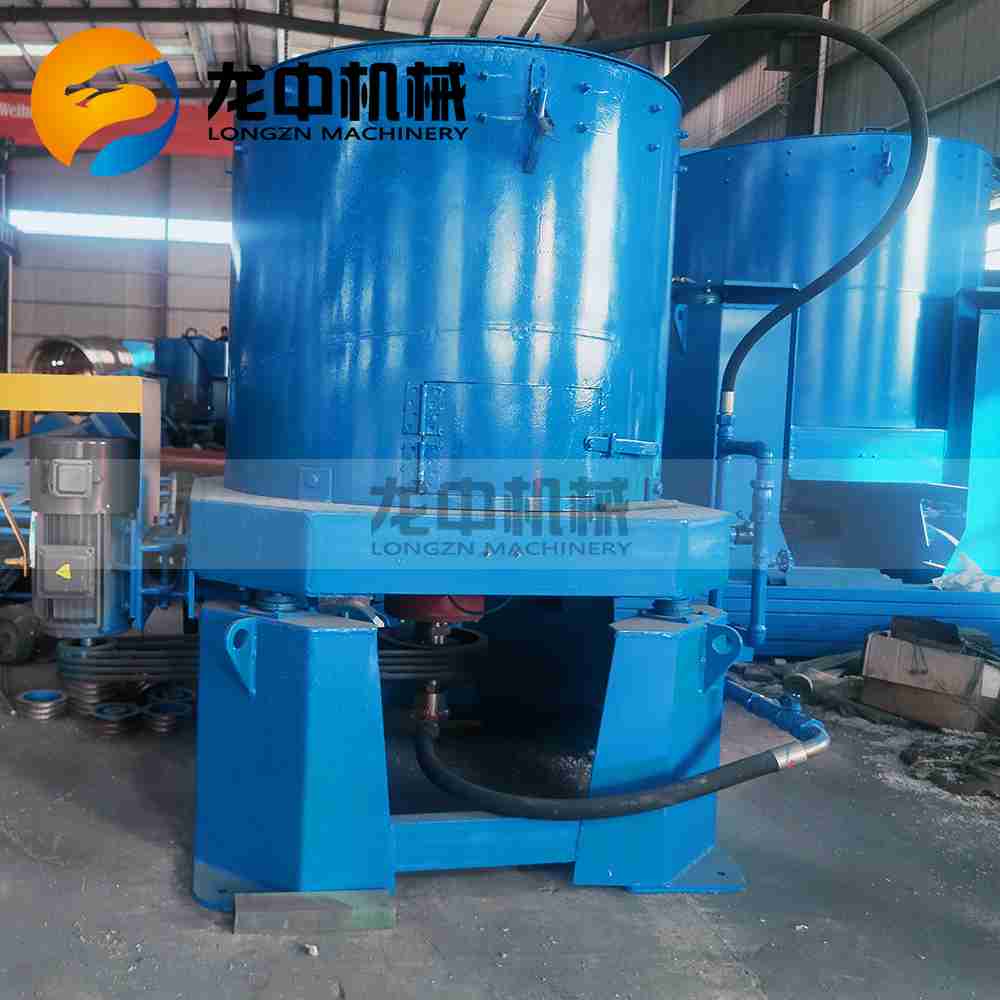
Furthermore, the operating parameters of the centrifuge, such as speed and time, must be set strictly in accordance with the operating procedures. Different samples require different centrifugation conditions, and arbitrary changes to the parameters may lead to suboptimal centrifugation results or even damage to the samples. Additionally, ensure that the samples are placed evenly and symmetrically in the rotor to avoid excessive vibration caused by uneven weight distribution, which could affect the service life of the equipment.