E-mail:
sale08@lzxkjx.comCall Us:
+86 15390744145
In mineral processing, the trommel scrubber plays a vital role in the pre-treatment and washing stage, primarily for raw ore directly from the mine. It is specifically designed to handle clay-bound or cemented ores, such as alluvial deposits, lateritic nickel ore, manganese ore, iron ore, and some weathered phosphate ores. Its core function is to break down clays, soft rocks, and other sticky materials that encapsulate valuable minerals.
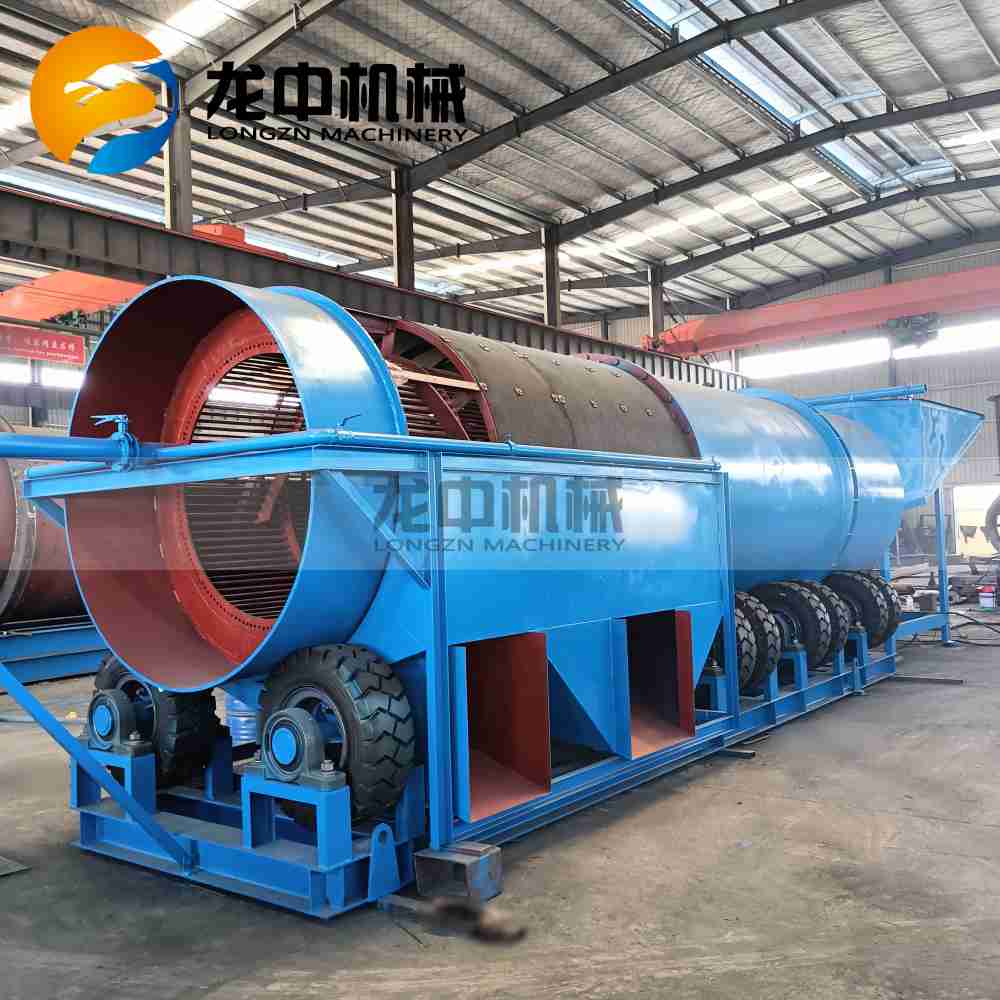
This equipment is a staple in alluvial gold processing plants, diamond washing plants, and various heavy mineral sand (like ilmenite, zircon) beneficiation lines. It is also commonly integrated into the front end of iron ore and bauxite processing plants where scrubbing is essential for subsequent separation stages.
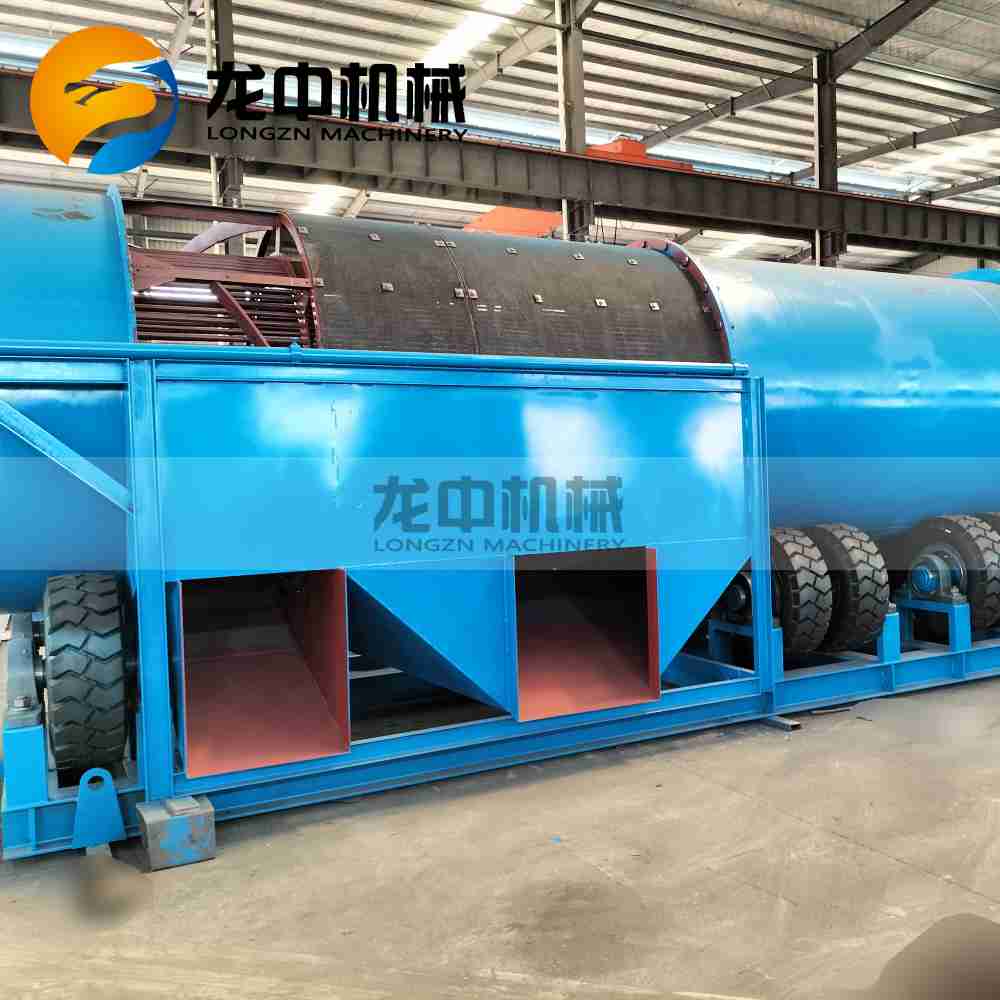
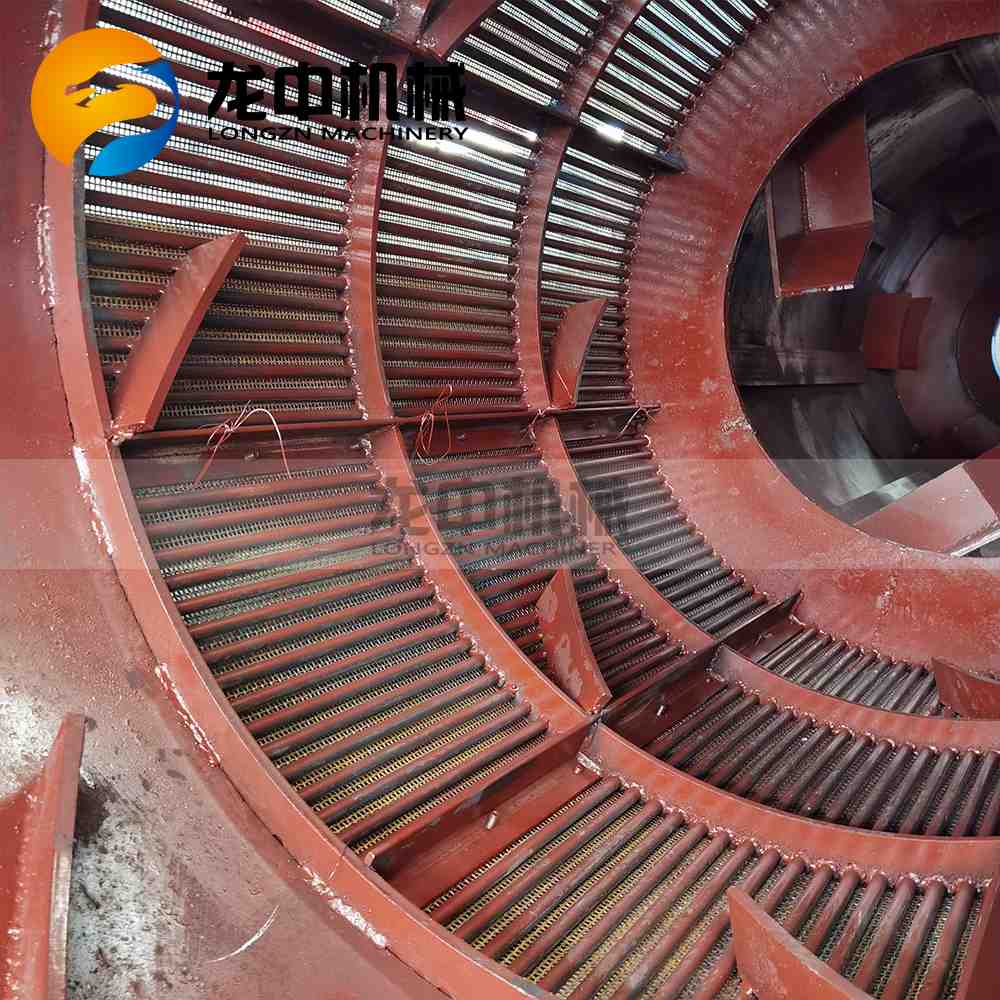
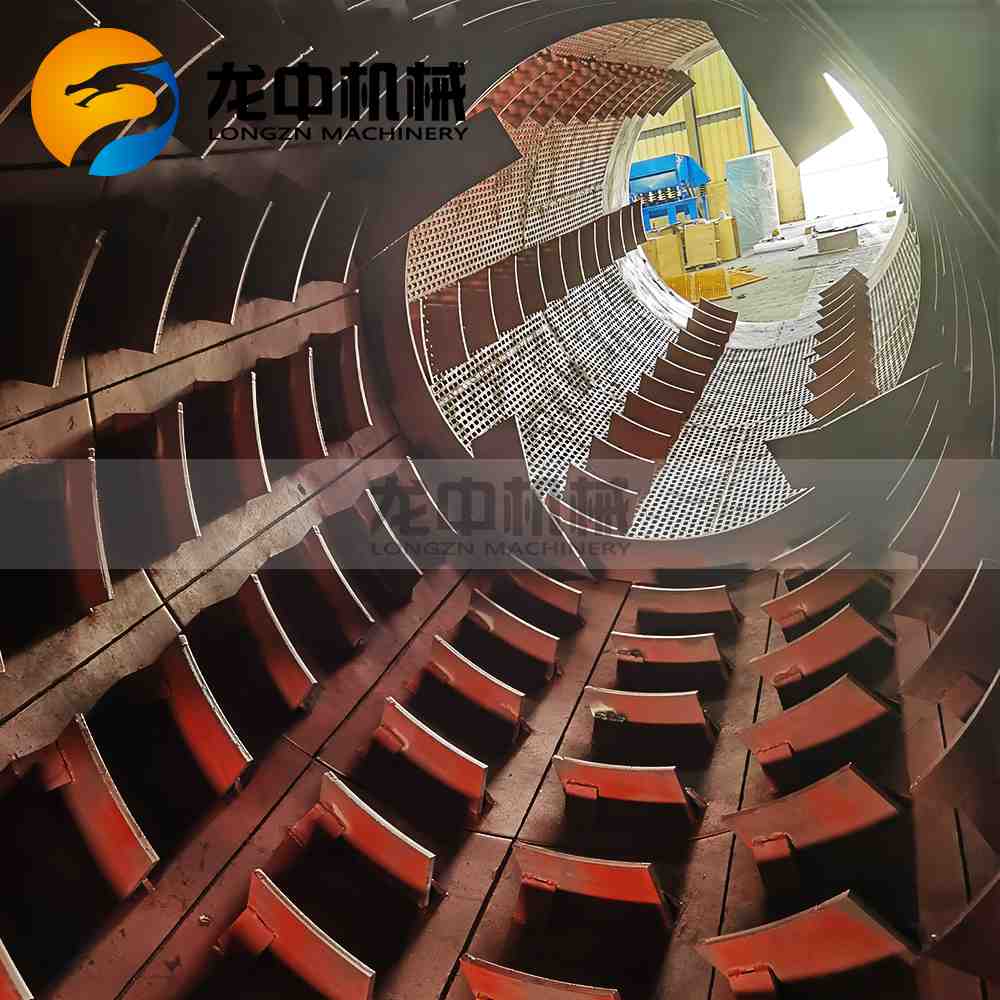
The working principle involves feeding raw ore into a rotating, slightly inclined cylindrical drum. As the drum rotates, the ore is lifted by internal lifters and repeatedly tumbled and scrubbed against itself and the drum's interior. Water is introduced concurrently to create a slurry, facilitating the disintegration of clays and the washing away of fine impurities. The scrubbed material is then discharged through screens at the drum's end, separating particles by size.
Its key advantages and characteristics include:
High Efficiency in Clay Removal: Effectively liberates valuable minerals from clayey matrix.
Robust and Simple Operation: Withstands abrasive materials with relatively low maintenance requirements.
Simultaneous Scrubbing and Sizing: Combines material washing with preliminary size classification via the screen panels.
High Capacity: Suitable for processing large volumes of raw ore.