E-mail:
sale08@lzxkjx.comCall Us:
+86 15390744145
The sawtooth wave jig is a highly efficient gravity separation device, primarily employed in the roughing and scavenging stages of mineral processing. It is exceptionally effective for treating medium- to coarse-grained minerals with a significant specific gravity difference. Commonly processed minerals include gold, tin, tungsten, hematite, limonite, manganese, and alluvial/placer deposits.
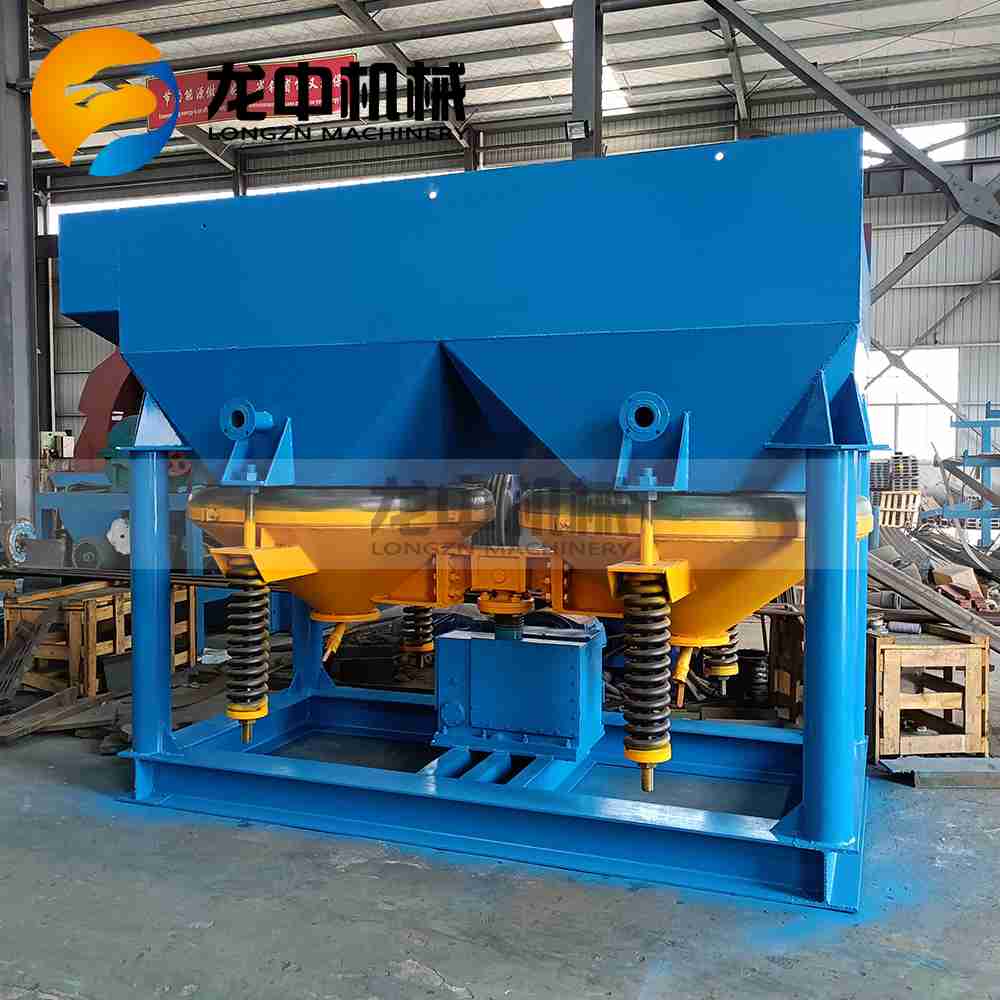
This jig is a staple in various alluvial (placer) mining operations and hard rock processing plants, especially within gold dredgers, tin recovery circuits, and iron ore beneficiation lines. It often serves as a core unit in simple, low-cost washing plants or as a pre-concentration unit ahead of more intensive processing methods.
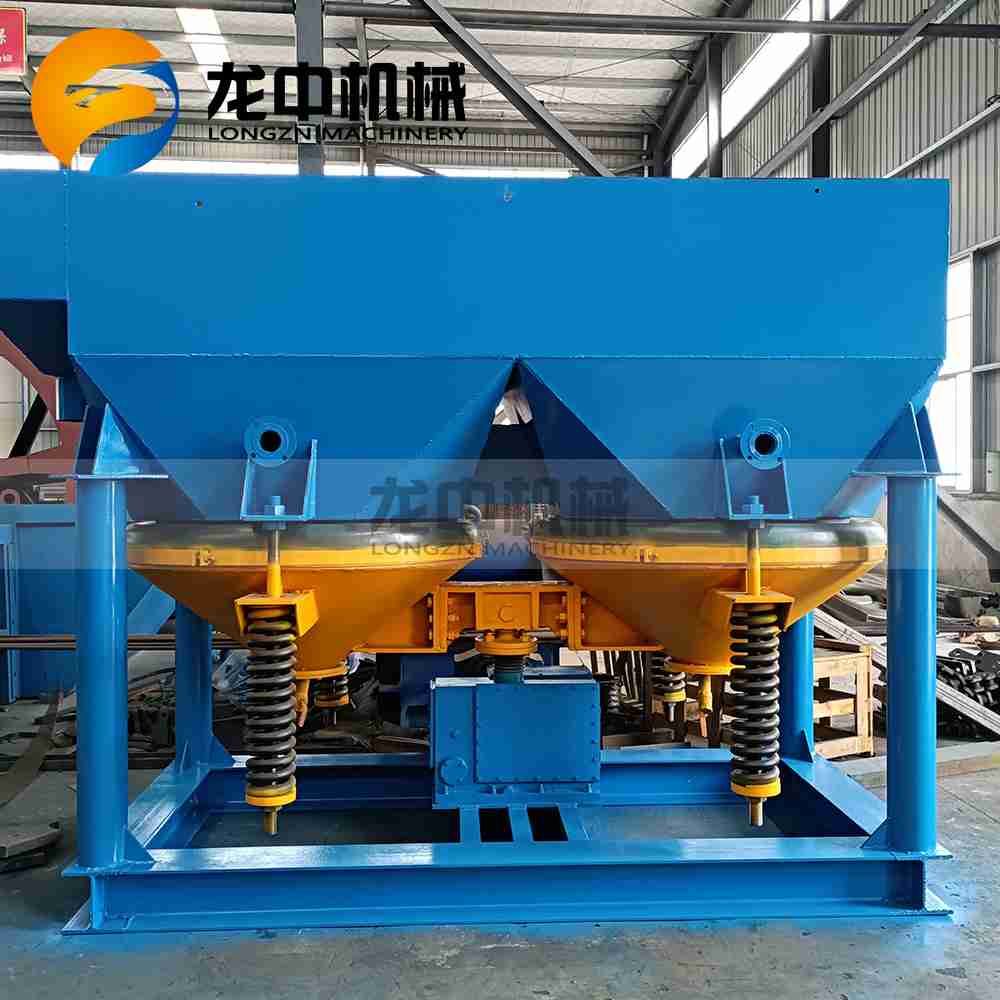
Its working principle is based on pulsating water through a bed of particles. The key innovation is its sawtooth waveform pulsation, characterized by a rapid upward stroke followed by a slow, controlled downward stroke. This creates an optimal condition where heavy particles quickly settle during the slow descent, while lighter particles are lifted and carried away by the hydraulic water flow.
The main advantages and features include:
High recovery rate for fine, heavy particles due to the extended settling time.
Continuous, automated operation with adjustable stroke length and frequency.
Low water consumption and minimal chemical requirements, making it environmentally friendly.
Simple operation, low energy consumption, and robust construction for harsh environments.
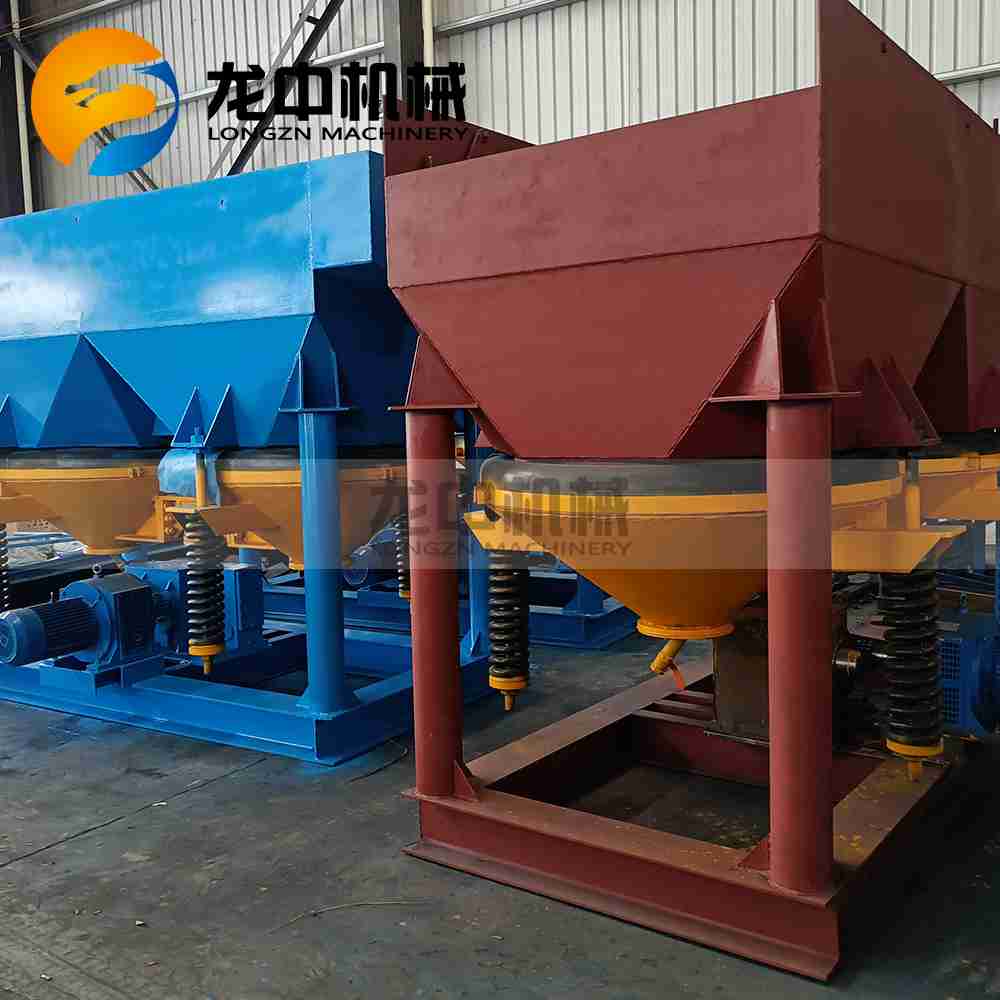
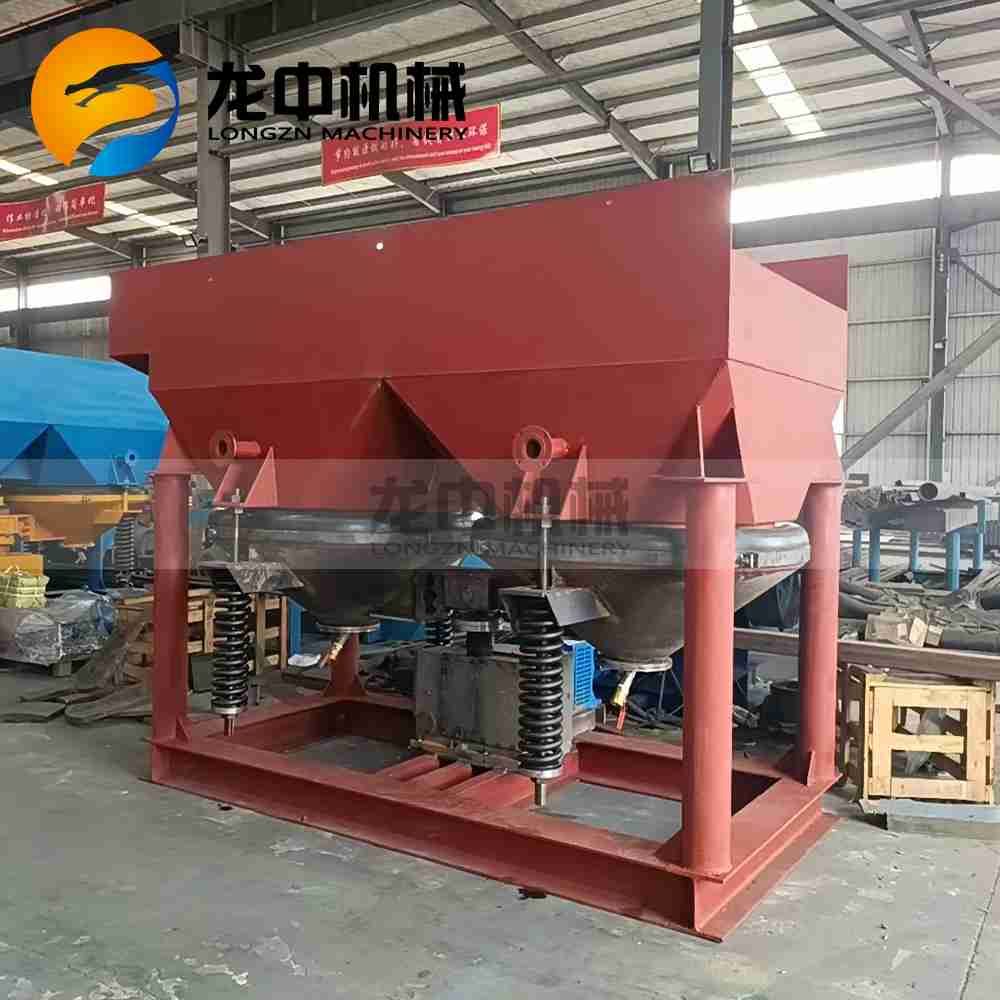
In terms of structural composition, the main components are:
Jigging Chamber: The tank where separation occurs, with a screen plate holding the bed of ore.
Diaphragm or Piston Mechanism: Driven by an eccentric linkage, it generates the precise sawtooth wave pulsation in the water.
Drive System: Usually an electric motor with a variable-speed reducer to control the pulsation.
Hydraulic System/Control Valve: Regulates the supplementary water (under-screen water) flow.
Discharge System: An automated gangue discharge gate or a manual concentrate drawer for extracting the heavy mineral concentrate.
Frame: The supportive steel structure housing all components.