
E-mail:
sale08@lzxkjx.comCall Us:
+86 15390744145
The beneficiation and processing of mica ore is a complex and intricate process, primarily comprising steps such as mining, crushing and screening, grinding and classification, beneficiation (flotation, gravity separation, magnetic separation, etc.), dewatering and drying, grading, and packaging. Below is a detailed elaboration on this process:
I. Mining
Mining mica ore is the first step in mica production. It is typically carried out through open-pit mining or underground mining. Open-pit mining is suitable for shallow ore deposits, while underground mining is used for deeper ore bodies. The mining process must prioritize safety and minimize environmental damage.
II. Crushing and Screening
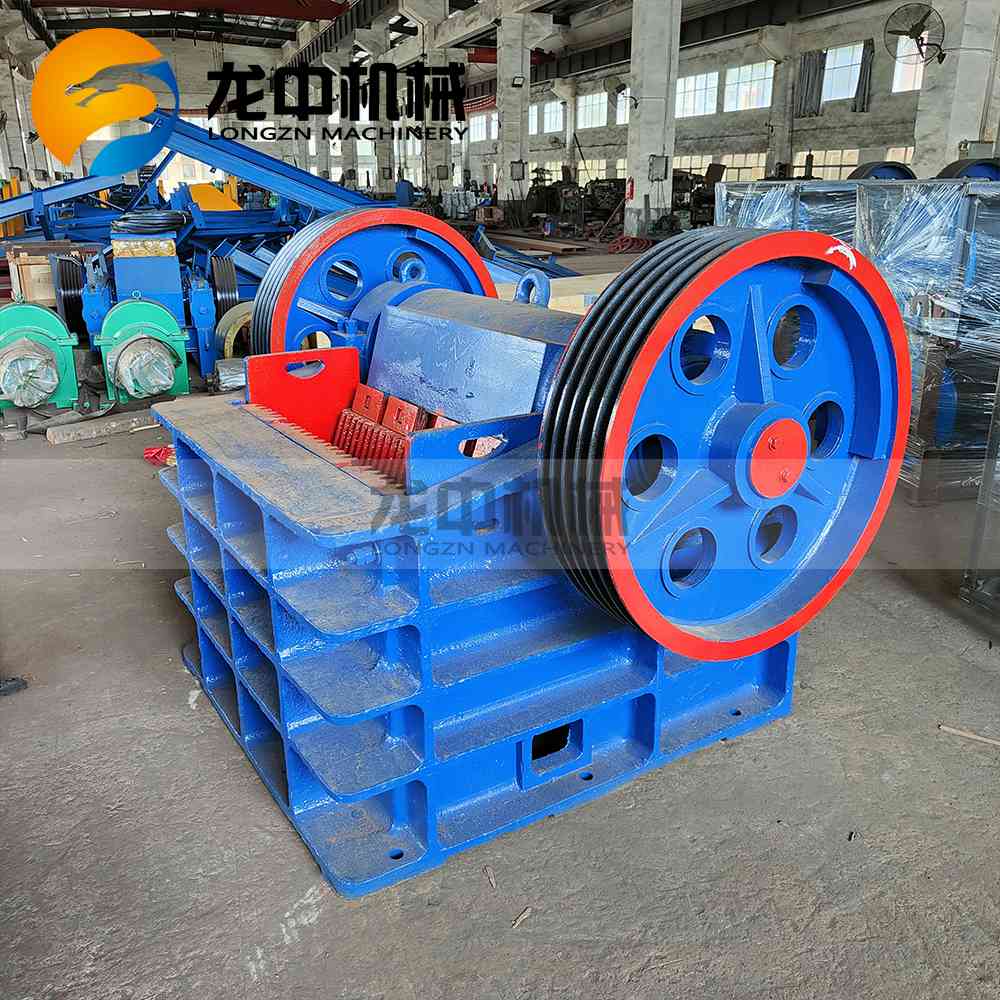
Crushing: Large pieces of mica ore are crushed into smaller fragments to facilitate subsequent processing. Crushing is generally divided into three stages: coarse crushing, intermediate crushing, and fine crushing. Common crushing equipment includes jaw crushers, cone crushers, and impact crushers.
Screening: Crushed ore is graded by particle size for the next beneficiation step. Screening equipment typically includes vibrating screens or trommel screens. Vibrating screens are suitable for finer ore particles, while trommel screens are used for coarser ones.
III. Grinding and Classification
Grinding: The ore is further pulverized into fine powder to prepare for subsequent beneficiation operations. Common grinding equipment includes ball mills, rod mills, and autogenous mills. The grinding process requires control over grinding time and the selection of grinding media to ensure effective results.
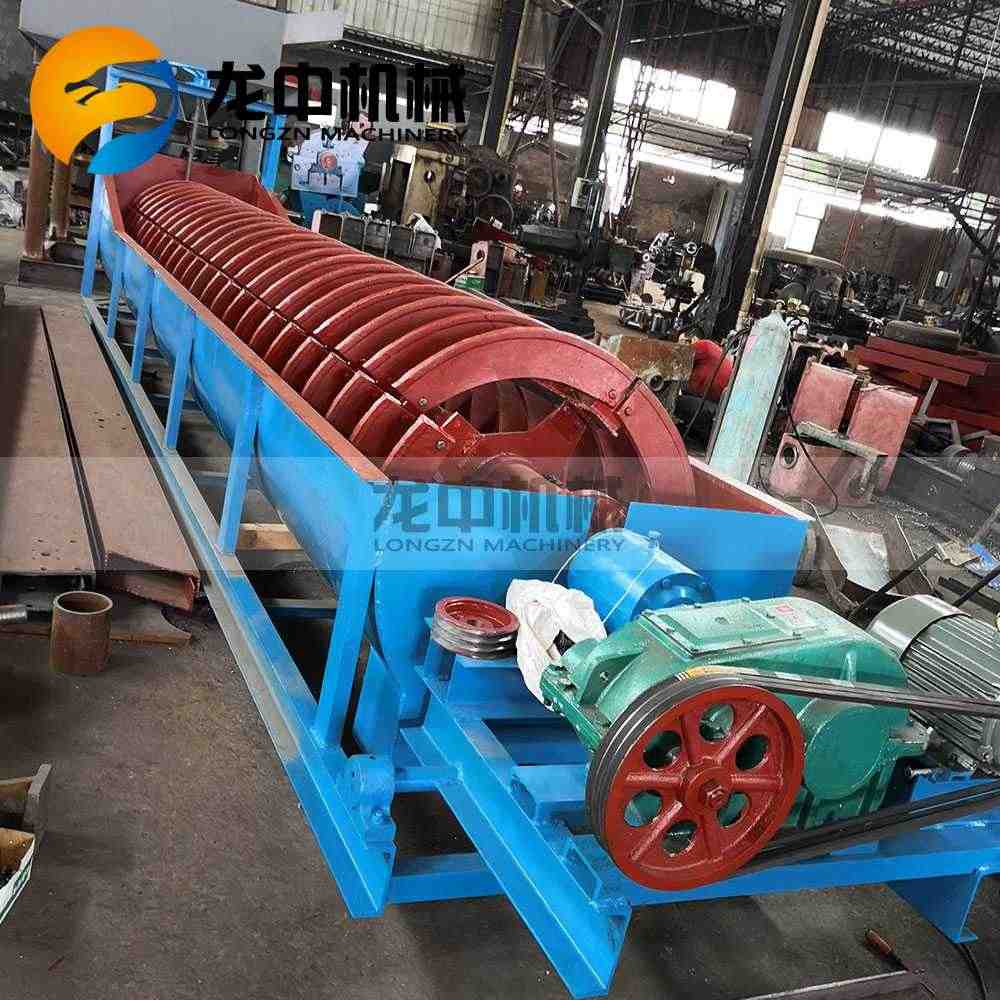
Classification: The ground ore slurry is classified by particle size for further beneficiation. Classification equipment typically includes spiral classifiers or hydrocyclones. Spiral classifiers are suitable for coarser ore particles, while hydrocyclones are used for finer ones.
IV. Beneficiation
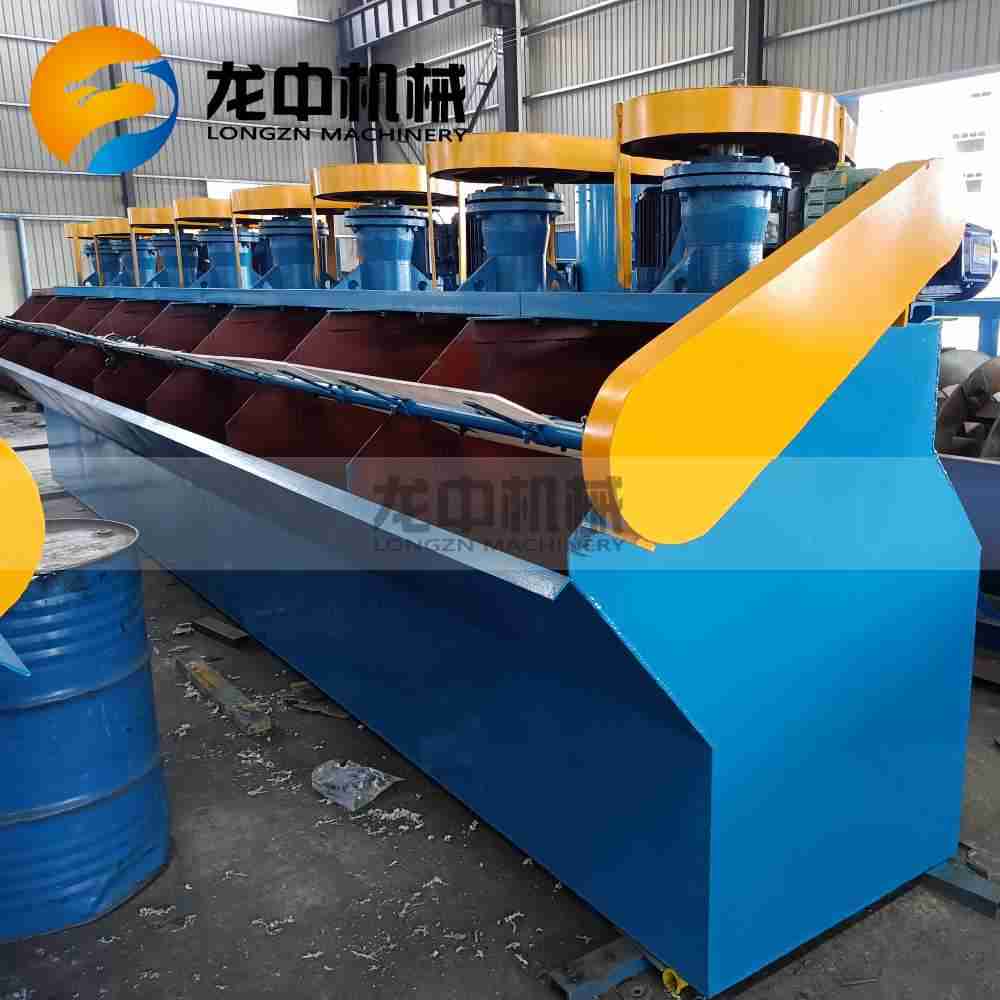
Flotation: This method separates mica from other minerals based on differences in the physicochemical properties of mineral surfaces. The flotation process generally includes steps such as slurry conditioning, reagent addition, agitation, flotation, and dewatering. Slurry conditioning involves mixing ground ore with water to form a slurry; reagent addition involves adding flotation reagents to enhance mica's floatability; agitation ensures thorough contact between mica particles and air bubbles through mechanical or bubble stirring; flotation separates mica particles by carrying them to the surface with bubbles in flotation cells.
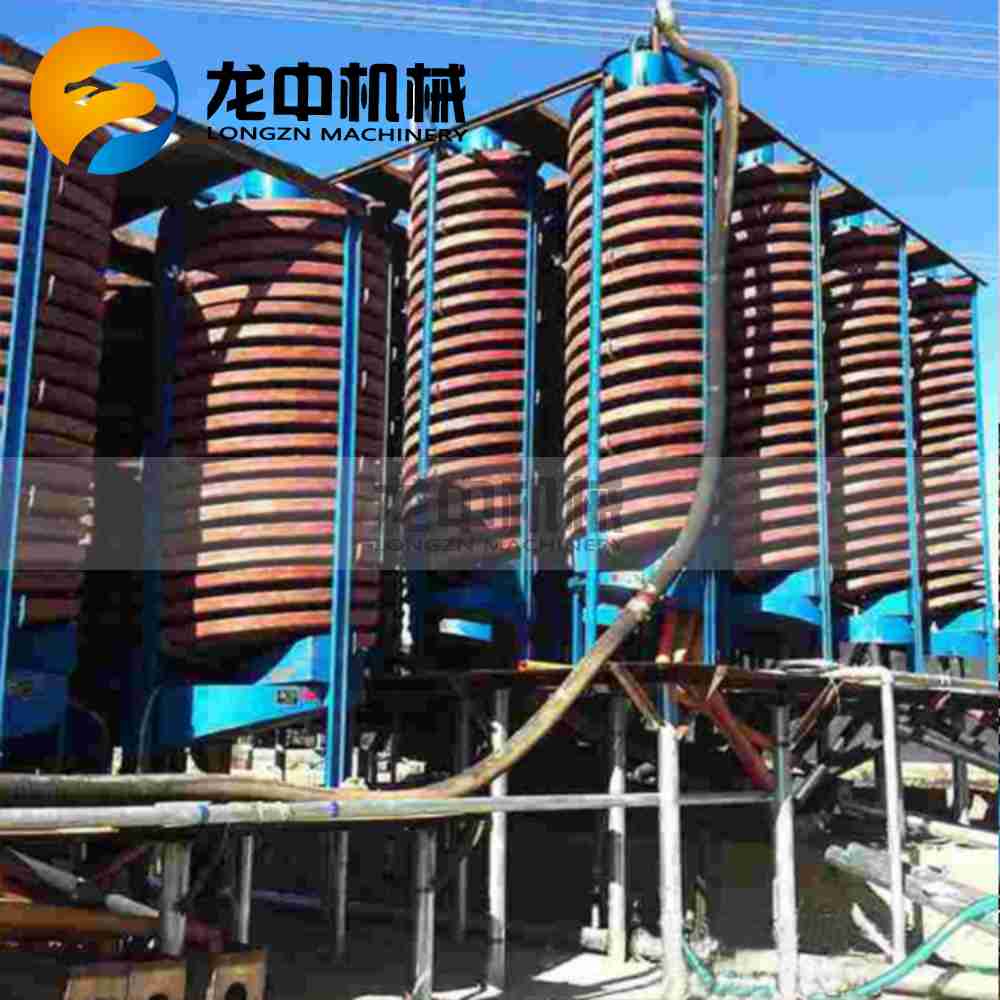
Gravity Separation: This technique separates mica from other minerals based on differences in density. Common gravity separation equipment includes shaking tables, jigs, and spiral chutes. Gravity separation is simple to operate and cost-effective, making it suitable for processing coarser mica ore.
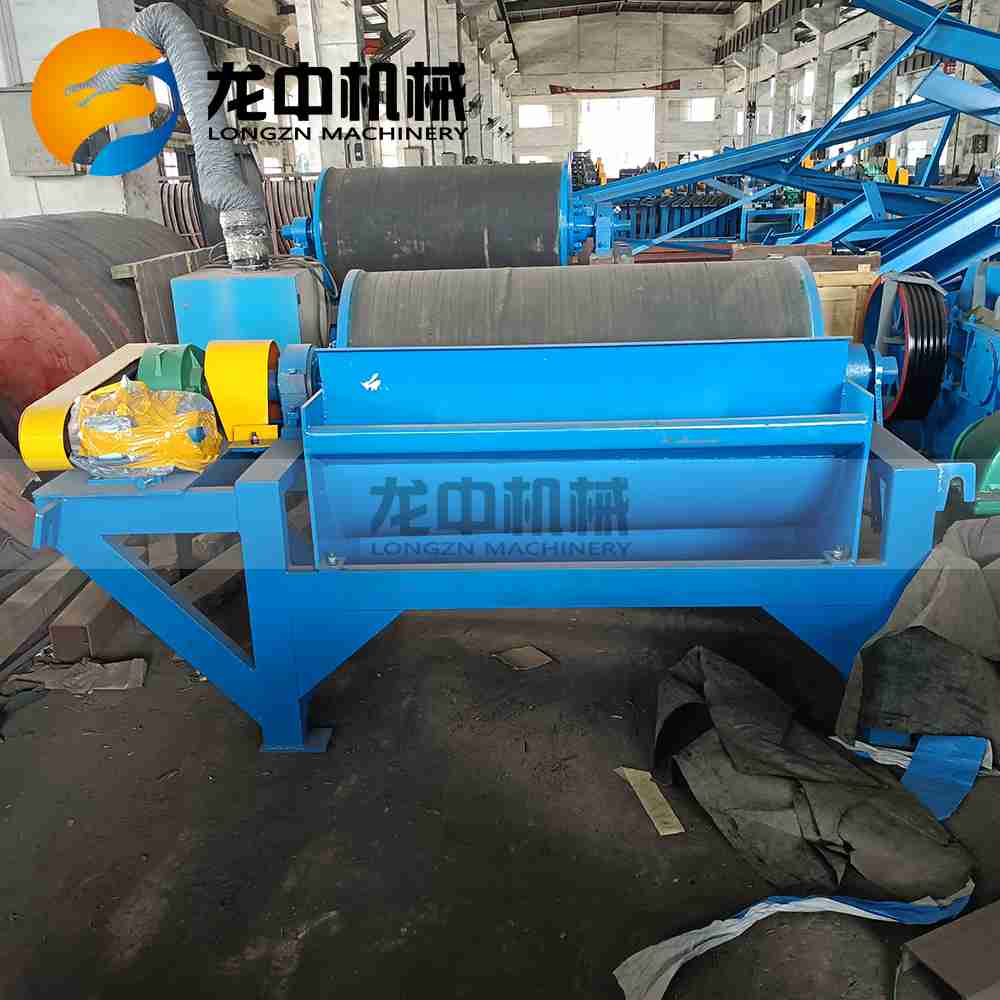
Magnetic Separation: For mica ore containing magnetic minerals, magnetic separation can effectively remove impurities and improve mica purity. Magnetic separation equipment mainly includes dry magnetic separators and wet magnetic separators. Dry separators are suitable for processing dry ore, while wet separators are used for ore slurry containing water.
V. Dewatering and Drying
Dewatering: This step removes moisture from the mica concentrate obtained after flotation or gravity separation. Common dewatering equipment includes thickeners, filters, and centrifuges. The process requires control over dewatering time and efficiency to ensure optimal results.
Drying: The dewatered mica is further dried to the desired moisture content. Common drying equipment includes rotary dryers and spray dryers. The drying process requires control over temperature and time to ensure effectiveness.
VI. Grading and Packaging
Grading: The dried mica concentrate is classified into products of different particle sizes using screening equipment to meet diverse customer requirements.
Packaging: The graded mica concentrate is packed into bags or drums for transportation and storage. The packaging process must ensure product quality and stability.
VII. Environmental Protection and Quality Control
Environmental Measures: The beneficiation and processing of mica generate wastewater, exhaust gases, and solid waste. Appropriate environmental measures, such as wastewater treatment, exhaust gas treatment, and solid waste management, must be implemented to reduce pollution.
Quality Control: The chemical composition and physical properties of mined ore are tested to ensure raw material quality; each production stage is monitored and adjusted to maintain stable process parameters and product quality; final products are tested for chemical composition, physical properties, and appearance to ensure they meet customer requirements.