
E-mail:
sale08@lzxkjx.comCall Us:
+86 15390744145
Zircon is the primary source of zirconium and is widely used in ceramics, foundry, refractories, and the nuclear industry.
Due to its unique physical and chemical properties, the beneficiation of zircon is typically a complex multi‑step integrated process. The core challenge lies in separating it from other associated heavy minerals with similar densities and magnetic properties.
Core Principles and Challenges
Source: Zircon mainly occurs in coastal placer deposits and alluvial sand deposits. It is commonly associated with minerals such as ilmenite, rutile, monazite, garnet, and quartz.
Properties:
Density: 4.6–4.7 g/cm³ (classified as a heavy mineral, close to ilmenite and rutile).
Magnetism: Non‑magnetic (a key distinction from ilmenite, garnet, etc.).
Conductivity: Moderate (similar to rutile, but different from insulators such as garnet and quartz).
Surface chemistry: Good floatability.
Challenge: A single method (e.g., gravity separation) cannot separate zircon from other heavy minerals. Separation must rely on combined differences in density, magnetism, and conductivity through multi‑stage processing.
A complete and modern zircon beneficiation plant essentially integrates gravity, magnetic, electrostatic, and flotation separation.
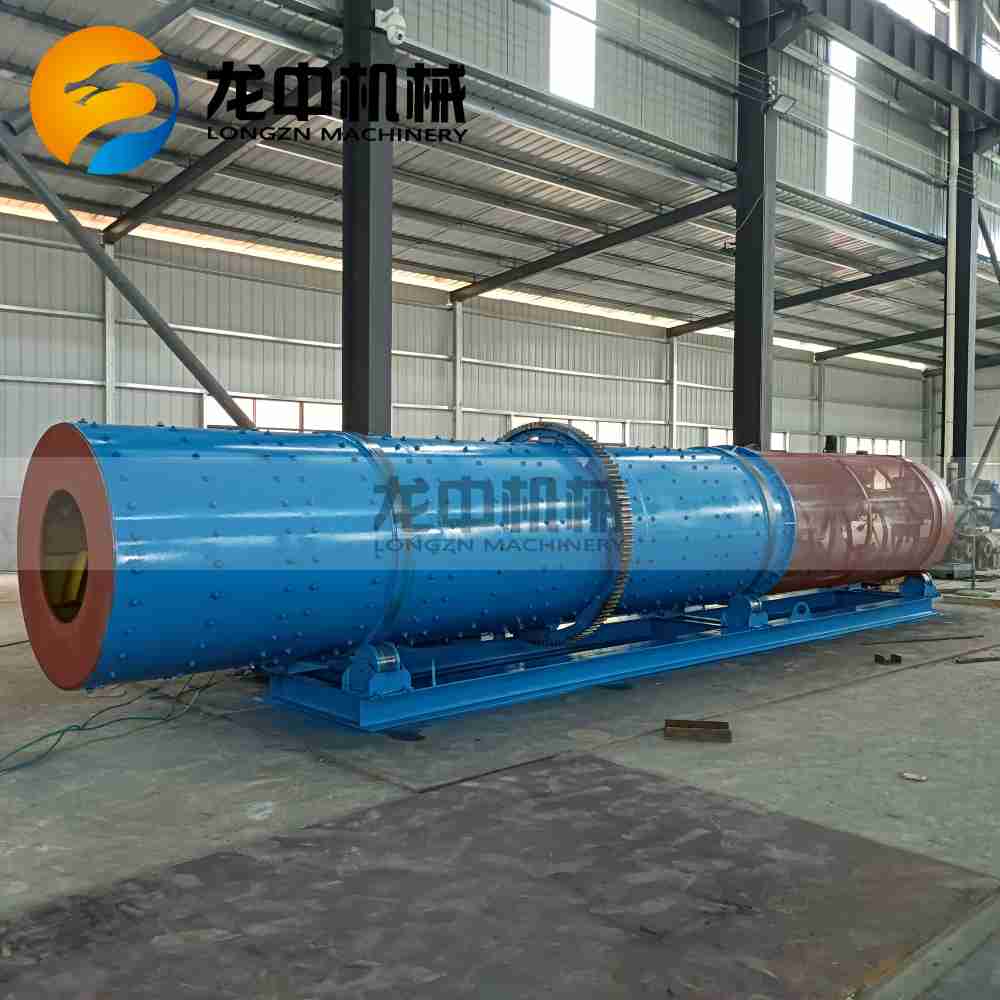
Stage 1: Preparation (Washing, Crushing & Classification)
Objective: Remove clay and organic matter, and classify run‑of‑mine ore into size fractions suitable for gravity separation.
Process:
Scrubbing: Use scrubbers for intense agitation to disperse and remove slimes.
Screening & Classification: Control feed size for gravity separation (usually ‑1 mm) via vibrating screens or hydrocyclones.
Stage 2: Roughing by Gravity Separation
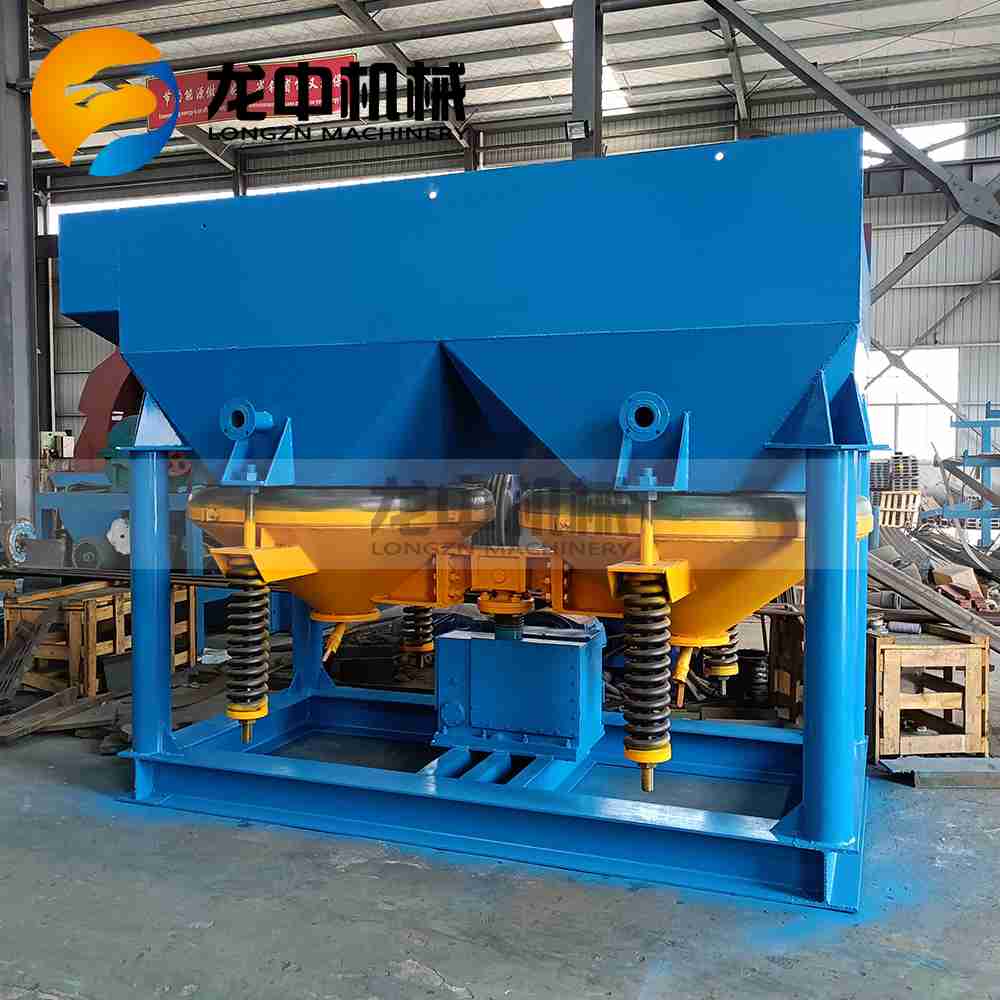
Objective: Discard most light gangue minerals (e.g., quartz, feldspar) and preliminarily concentrate all heavy minerals (including zircon, ilmenite, rutile, monazite, etc.) to obtain “heavy concentrate” or “bulk concentrate.”
Main Equipment:
Spiral concentrators: High capacity, low cost, and efficient—the preferred rougher.
Jigs: Used to recover coarser heavy minerals.
Stage 3: Cleaning & Separation of Heavy Concentrate (Integrated Circuit)
This is the core of the whole process, aiming to separate various heavy minerals in the concentrate step‑by‑step to obtain a pure zircon concentrate.
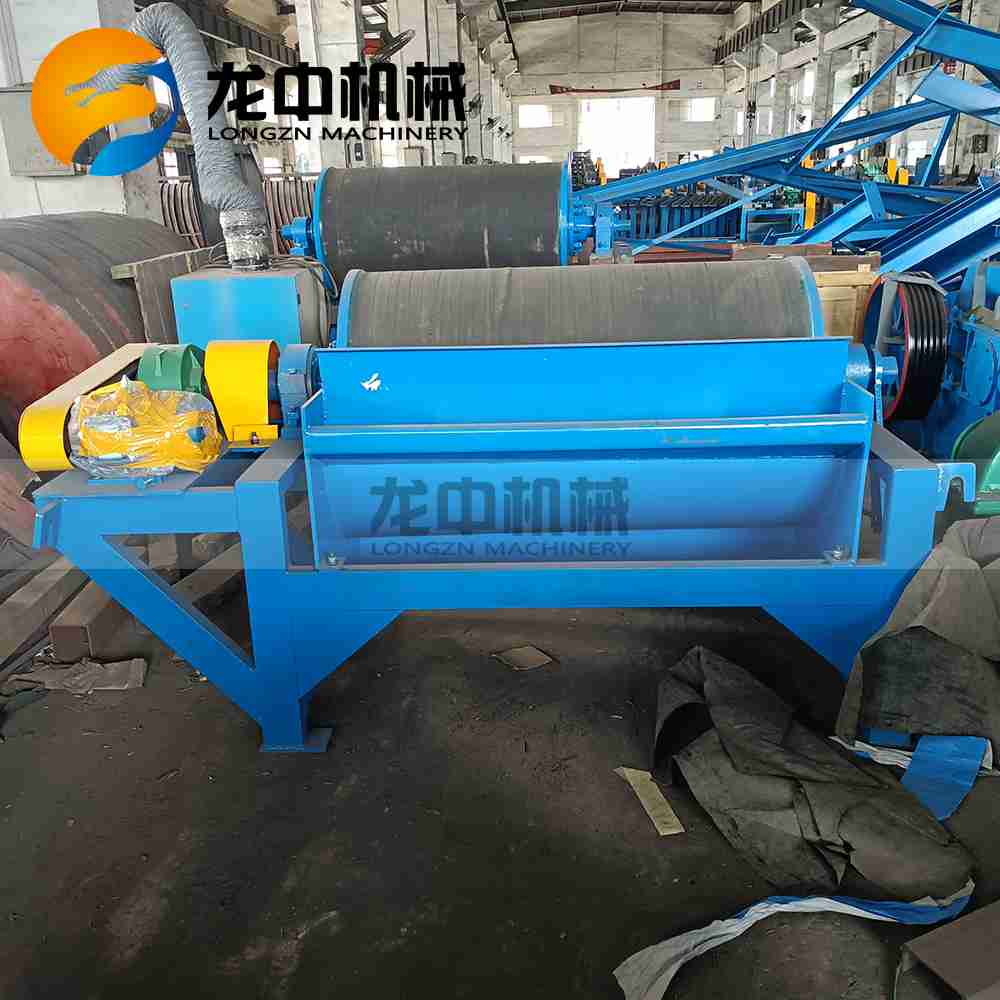
Magnetic Separation
Magnetic product: Monazite, garnet, etc., are pulled out as by‑products or discarded.
Non‑magnetic product: Zircon, rutile, and quartz remain and proceed to the next step. This is a key stage that separates non‑magnetic zircon from magnetic minerals like ilmenite and monazite.
Low‑intensity magnetic separation: First, use low‑intensity magnetic separators (e.g., permanent magnetic drums) to remove strongly magnetic minerals like magnetite and ilmenite.
Medium/high‑intensity magnetic separation (HIMS): Then treat the non‑magnetic product with high‑intensity magnetic separators (e.g., induced‑roll magnetic separators). At this stage:
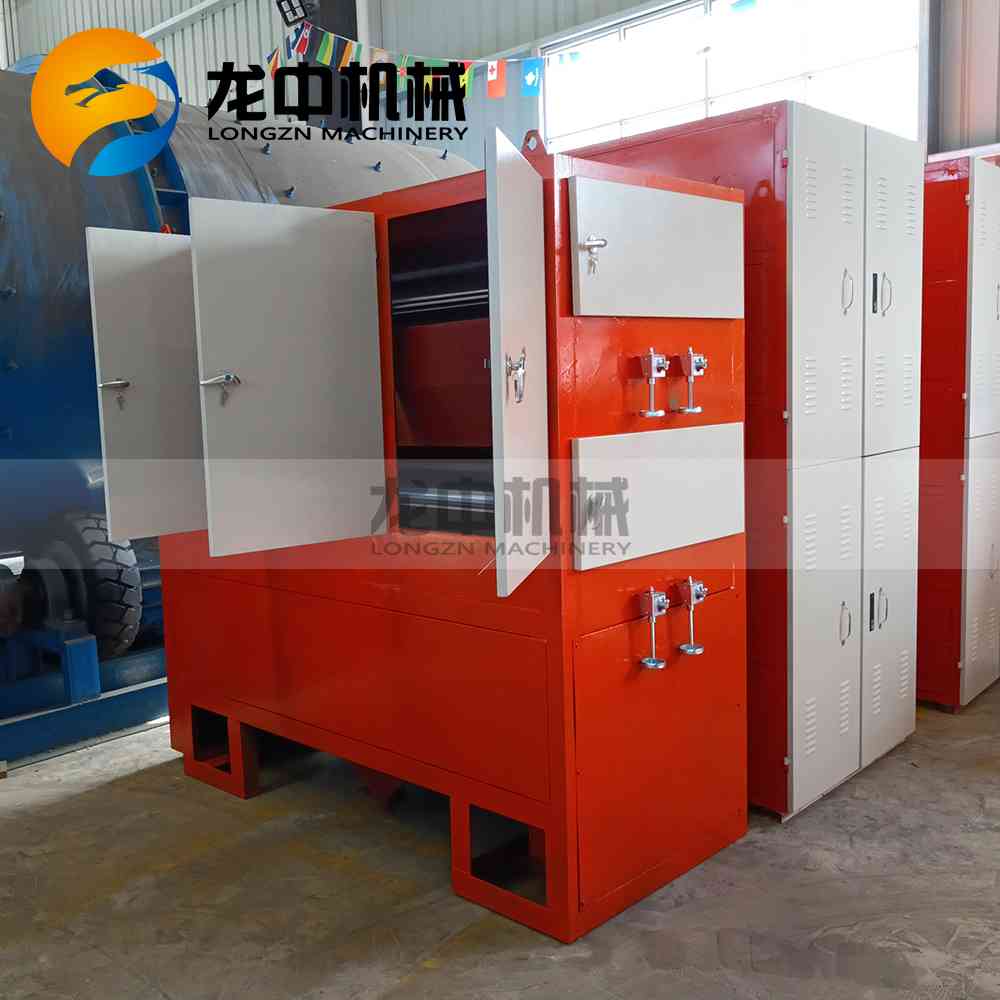
Electrostatic Separation
Objective: Separate zircon, rutile, and quartz.
Principle: Utilizes differences in electrical conductivity under a high‑voltage electric field.
Process: Minerals fed into the separator are subjected to an electrostatic field. Good conductors like rutile lose charge and are thrown off the roller as conductor product, while poor conductors like zircon and quartz adhere to the roller and are brushed off as non‑conductor product.
Role: Effectively removes rutile and yields a non‑conductor product consisting mainly of zircon and quartz.
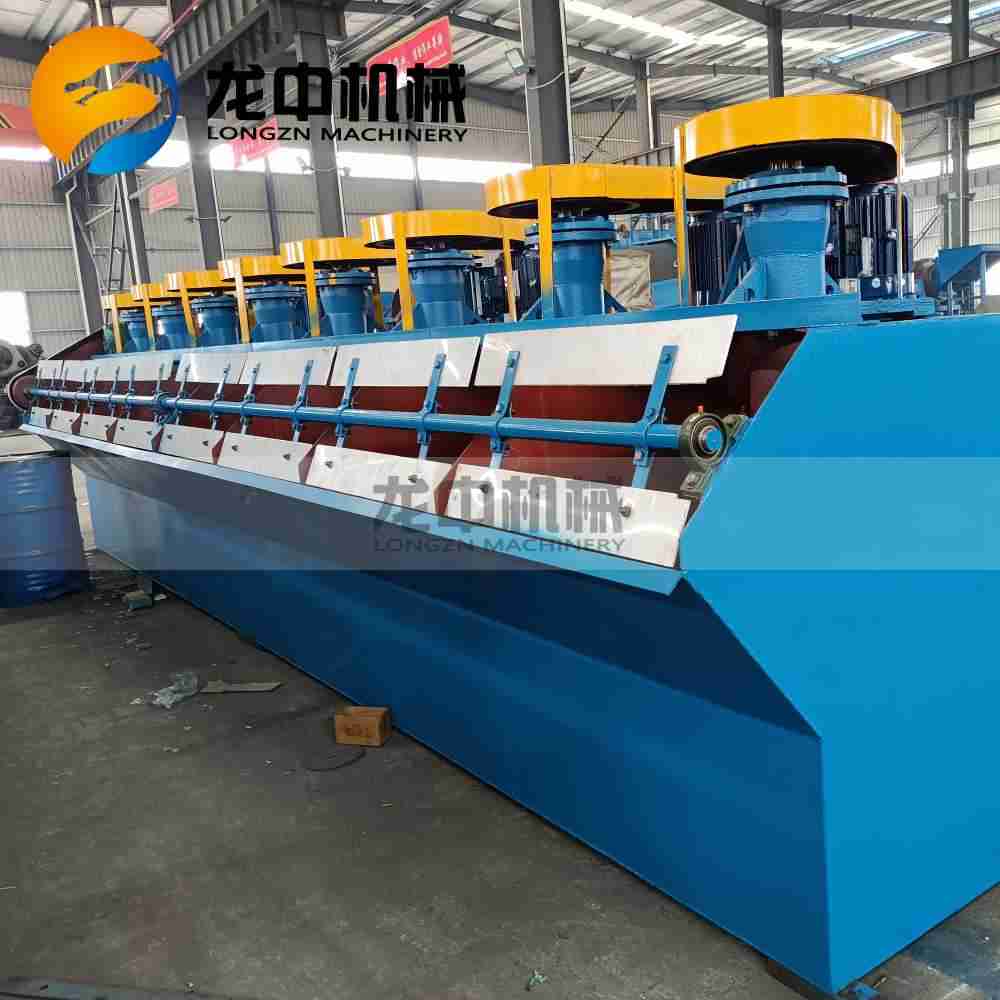
Flotation (Final Cleaning)
Objective: As a supplement or alternative to electrostatic separation, to further purify zircon from the non‑conductor product (zircon and quartz) by removing residual silicate gangue.
Process: Typically conducted under acidic or alkaline conditions using specific collectors (e.g., fatty acids, phosphoric acid esters) to selectively float zircon, leaving quartz and other gangue in the tailings.
Application: Indispensable for final cleaning when dealing with finely disseminated zircon or when a very high‑grade concentrate is required.
Stage 4: Product Handling
Dewatering & Drying: The obtained zircon concentrate is dewatered and dried using thickeners, filters, and dryers to produce the final product.
Summary
| Separation Stage | Main Target Minerals / Separation Effect | Key Separation Basis |
|---|---|---|
| Gravity Separation | Discard light gangue; concentrate all heavy minerals | Density |
| Low‑intensity Magnetic | Separate magnetite, ilmenite | Strong magnetism |
| High‑intensity Magnetic | Separate monazite, garnet, etc. | Weak / no magnetism |
| Electrostatic Separation | Separate rutile, quartz | Electrical conductivity |
| Flotation | Final separation of zircon from quartz & silicates | Surface physicochemical properties |
Key Points
Zircon beneficiation is a classic case of an integrated mineral processing flowsheet. The essence lies in “roughing by gravity, splitting by magnetics and electrics, and final upgrading by flotation.” No single method can complete the whole process; a combination of beneficiation techniques must be employed, utilizing the most distinct physical property differences between minerals to progressively “strip” zircon from its complex associates, ultimately yielding a high‑grade zircon concentrate. In practice, the flowsheet is optimized and adjusted based on the ore characteristics (mineral composition, liberation size, etc.).