
E-mail:
sale08@lzxkjx.comCall Us:
+86 15390744145
I. Introduction to Beach Sand Deposits
Beach sand deposits are valuable mineral resources containing rare metals and rare earth minerals such as ilmenite, zircon, rutile, and monazite. Due to the complexity of their mineral composition, sophisticated beneficiation processes are required. The design and optimization of these processes are particularly important based on the varying characteristics of the ores.
II. Raw Material Preparation Process
Mining methods for beach sand deposits vary by region and are primarily divided into dry mining and wet mining. In arid or semi-arid regions, dry mining is typically employed, using equipment such as excavators and loaders for direct extraction. In offshore or intertidal areas, wet mining is more common, where dredgers or hydraulic mining methods are used to mix the sand with water and then pump the slurry to the processing plant.
III. Beach Sand Beneficiation Equipment Used
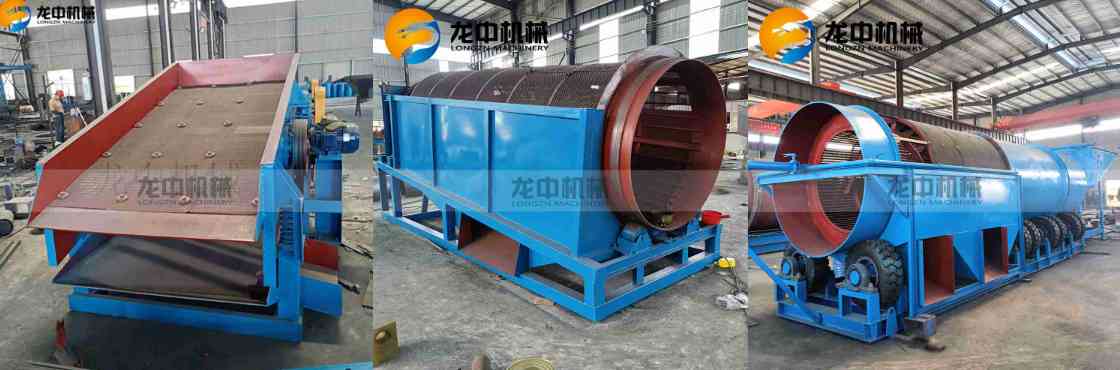
1) Washing and Screening
The purpose of washing is to remove impurities such as clay and shells from the sand, thereby improving its grade. The
screening process uses vibrating screens or trommel screens to classify the sand into different particle sizes, for example,
within the range of 0.1–0.5 mm, to meet the requirements of subsequent separation processes.
2) Gravity Separation Process
Target minerals in coastal sand deposits, such as ilmenite and zircon, generally have a higher density than gangue minerals
like quartz and feldspar. Therefore, gravity separation is a primary method for their concentration.
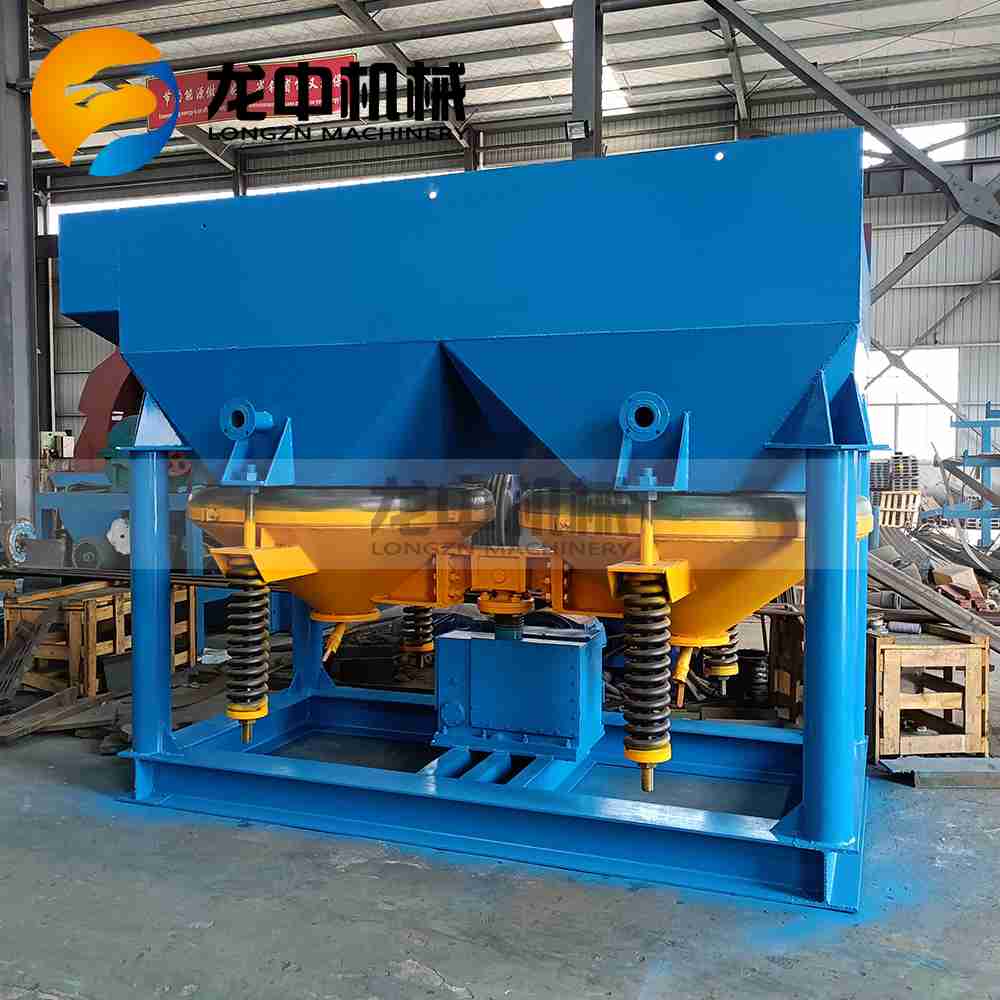
Jigging Machine
The jigging machine uses pulsating water flow to stratify mineral particles based on their density, making it particularly
suitable for separating coarser mineral particles.
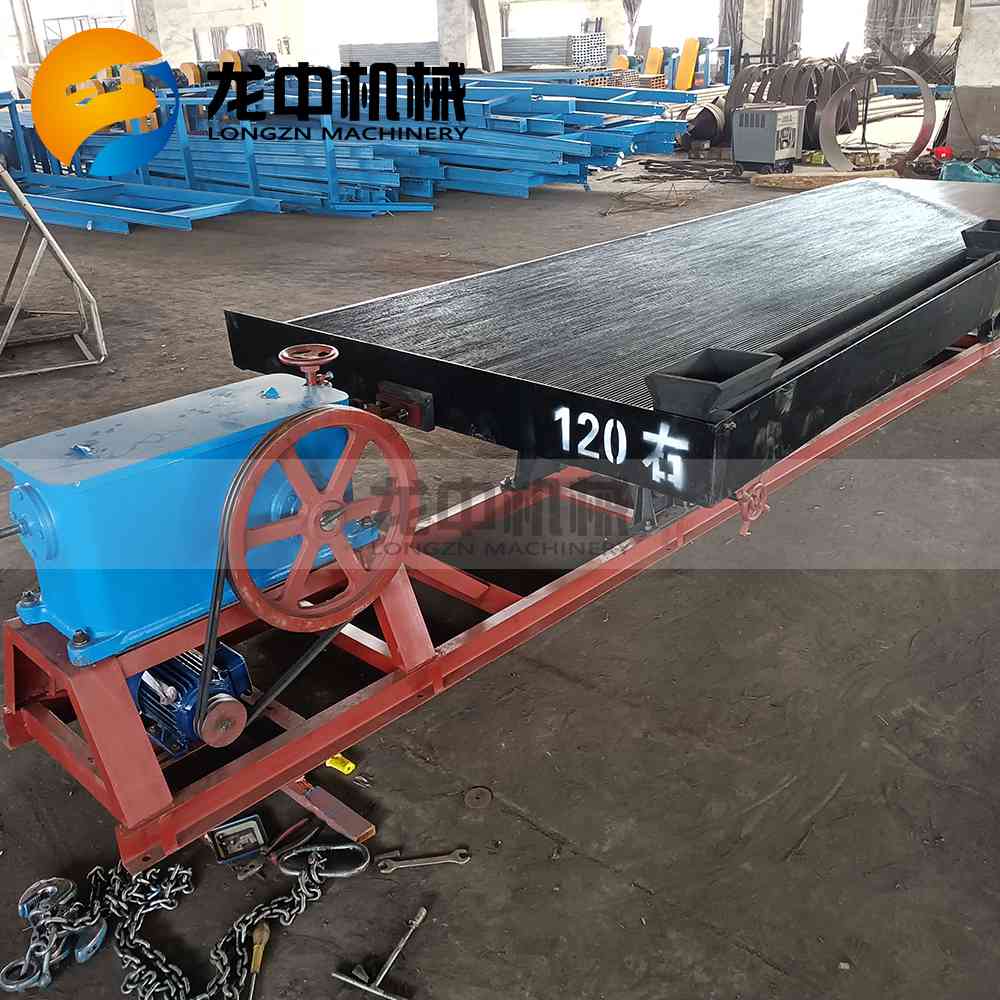
Shaking Table Concentration
After obtaining the rough concentrate, shaking table concentration becomes a critical step to further upgrade the concentrate.
Through the vibration and tilt of the shaking table, heavy minerals and light minerals are further separated, resulting in
high-purity products such as ilmenite and zircon.
IV. Other Beneficiation Methods
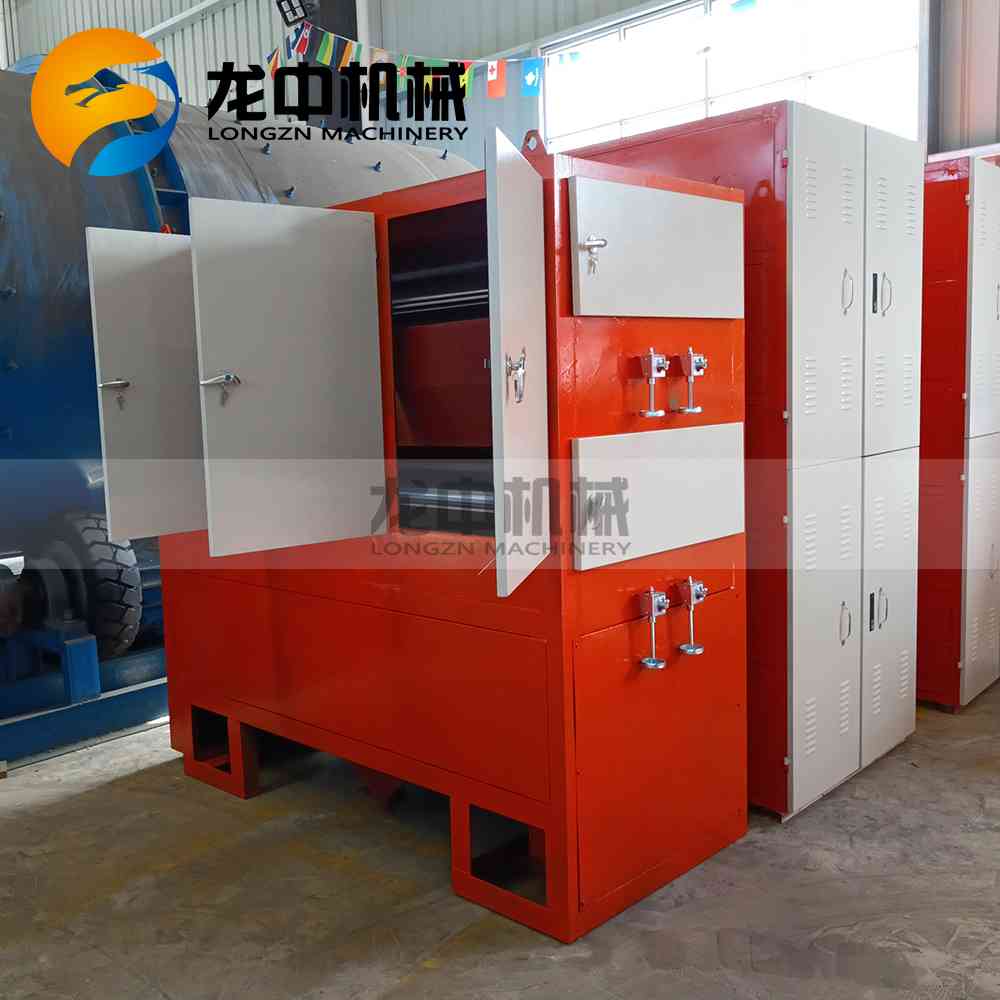
Magnetic and Electrostatic Separation
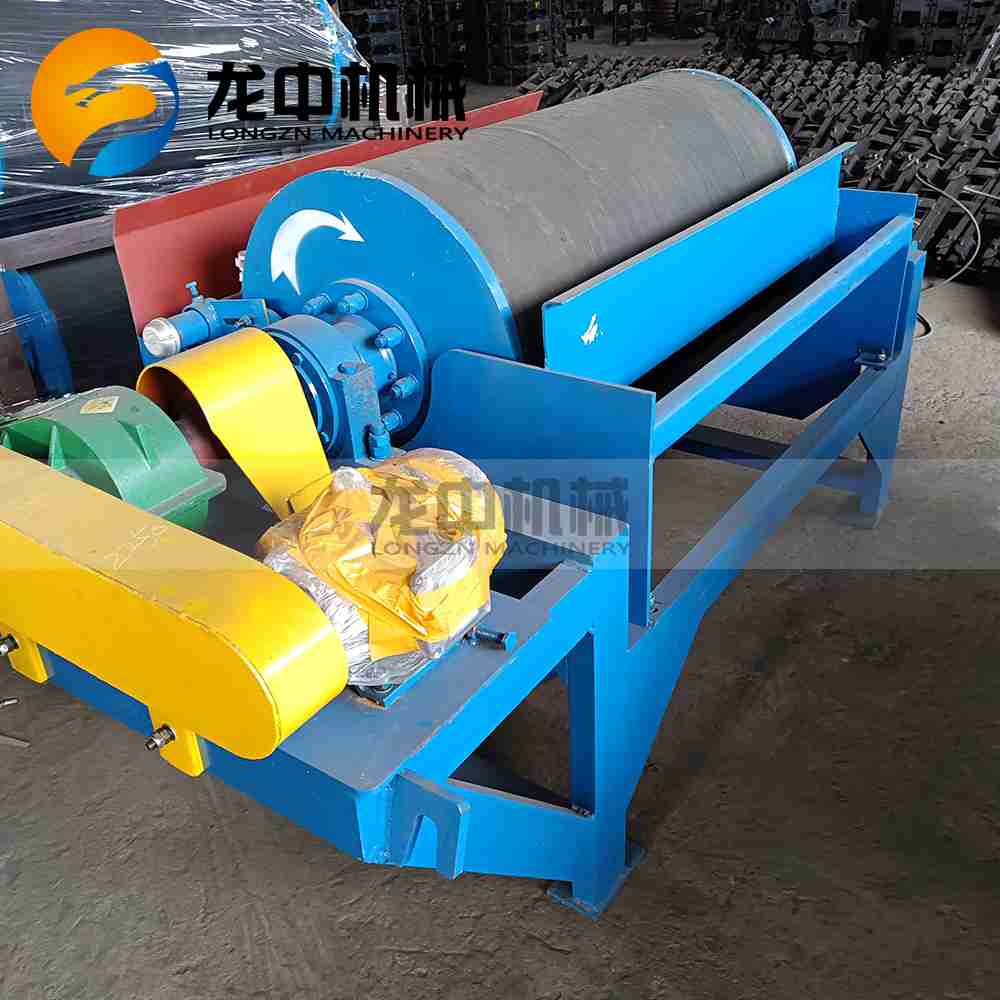
(1) Magnetic Separation
- Low-Intensity Magnetic Separation: Used to separate magnetic minerals such as magnetite and ilmenite, with a magnetic
field strength typically between 1,000 and 3,000 gauss.
- High-Intensity Magnetic Separation: Applied for separating weakly magnetic minerals like monazite (which contains rare
earth elements), requiring a magnetic field strength of over 10,000 gauss.
(2) High-Tension Electrostatic Separation
This method separates minerals based on differences in their electrical conductivity. For example, conductive minerals such
as rutile and ilmenite are attracted to the electrode, while non-conductive minerals like zircon and quartz remain unaffected
and continue to fall. This technique is particularly suitable for separating zircon from rutile.
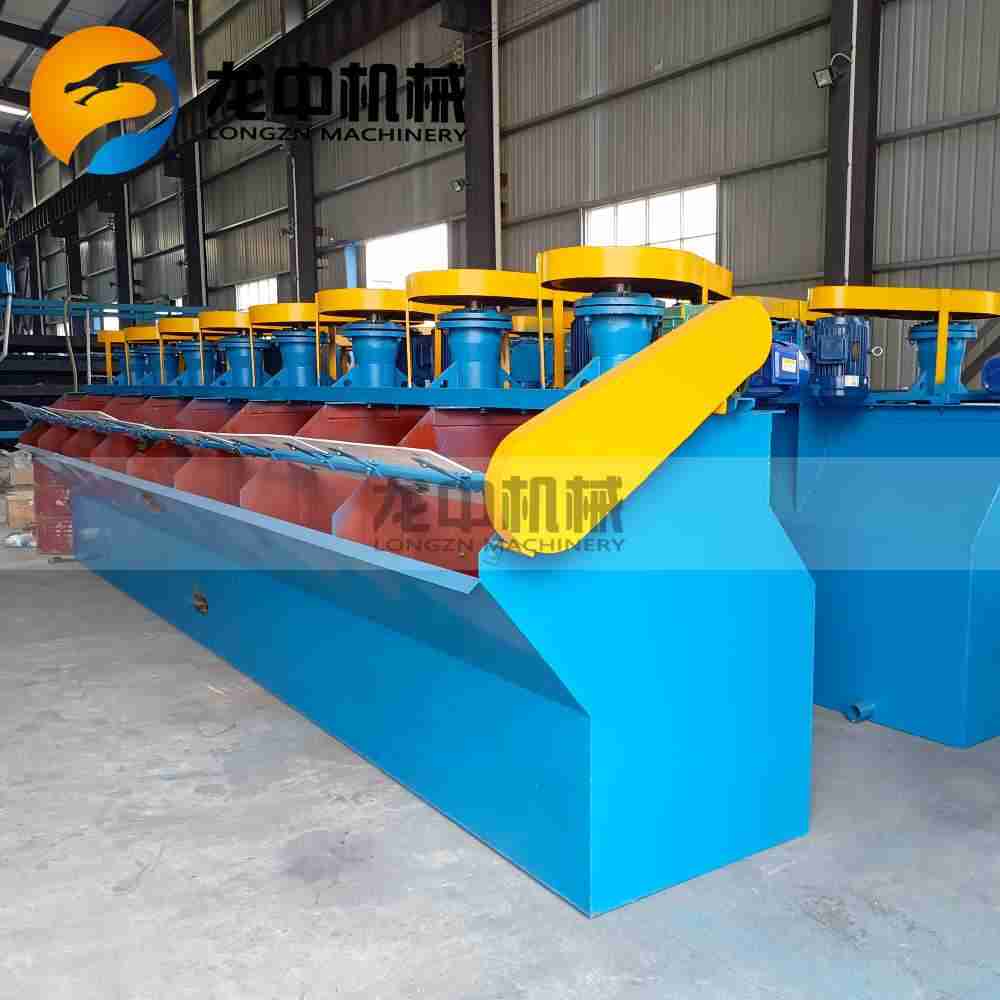
(3)Flotation Technology
Flotation is commonly used to process fine-grained minerals, such as those with a particle size smaller than 0.074 mm,
to improve their recovery rate. During flotation, various collectors and modifiers are used to enhance the flotation performance.
For instance, common collectors for ilmenite flotation include oleic acid and hydroxamic acid, while modifiers such as sulfosuccinic
acid may be used to optimize the flotation of zircon.
(4)Concentrate Treatment
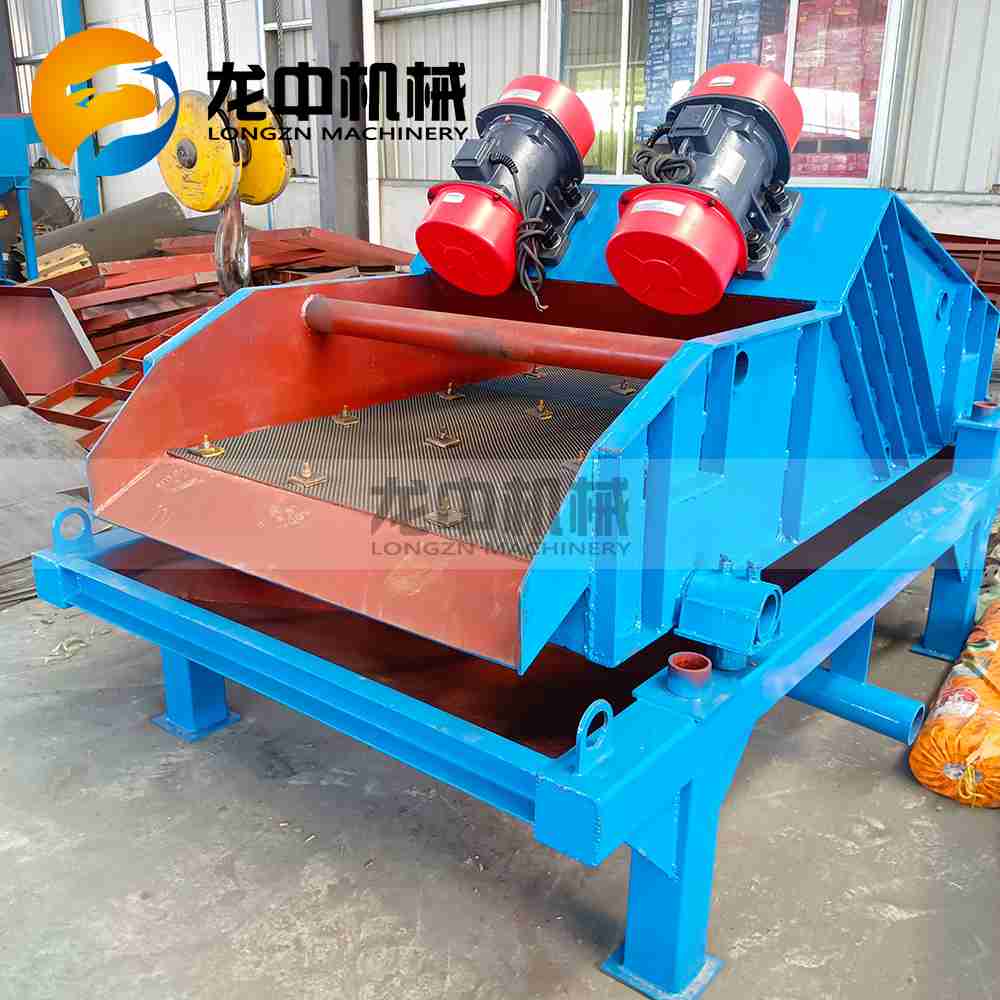
Dewatering
Concentrate dewatering is a crucial step in the beneficiation process. Equipment such as thickeners, filters, or dryers are typically
used to remove moisture, facilitating subsequent transportation and sales.
(5)Tailings Management
Tailings, the waste materials not recovered after beneficiation, mainly consist of quartz sand. After appropriate treatment, these
tailings can be repurposed as construction materials or for backfilling mined areas. Additionally, to prevent fine sludge in the
tailings from causing marine pollution, a series of environmental protection measures must be implemented, such as constructing
dedicated tailings storage facilities or carrying out ecological restoration.
V. Conclusion
The beneficiation of beach sand deposits involves the integrated application of various methods, including gravity separation, magnetic separation, electrostatic separation, and flotation, to effectively recover valuable minerals such as ilmenite, zircon, and rutile. With continuous technological advancements, the adoption of automation control technologies and the concept of green beneficiation will further enhance the comprehensive utilization efficiency of coastal sand resources, reduce negative environmental impacts, and yield better economic benefits