
E-mail:
sale08@lzxkjx.comCall Us:
+86 15390744145
Kaolin, also known as china clay, is a common natural clay mineral. It is a useful mineral for producing white pigments, and whiteness is a key performance parameter affecting its value. However, kaolin often contains harmful impurities such as iron, organic matter, and dark-colored substances. These impurities can cause discoloration and reduce the whiteness of the kaolin. Therefore, removing these impurities is essential before using kaolin.
Common methods for purifying kaolin include gravity separation, magnetic separation, flotation, and chemical treatment. This article will now introduce these common kaolin purification methods:
1. Gravity Separation of Kaolin
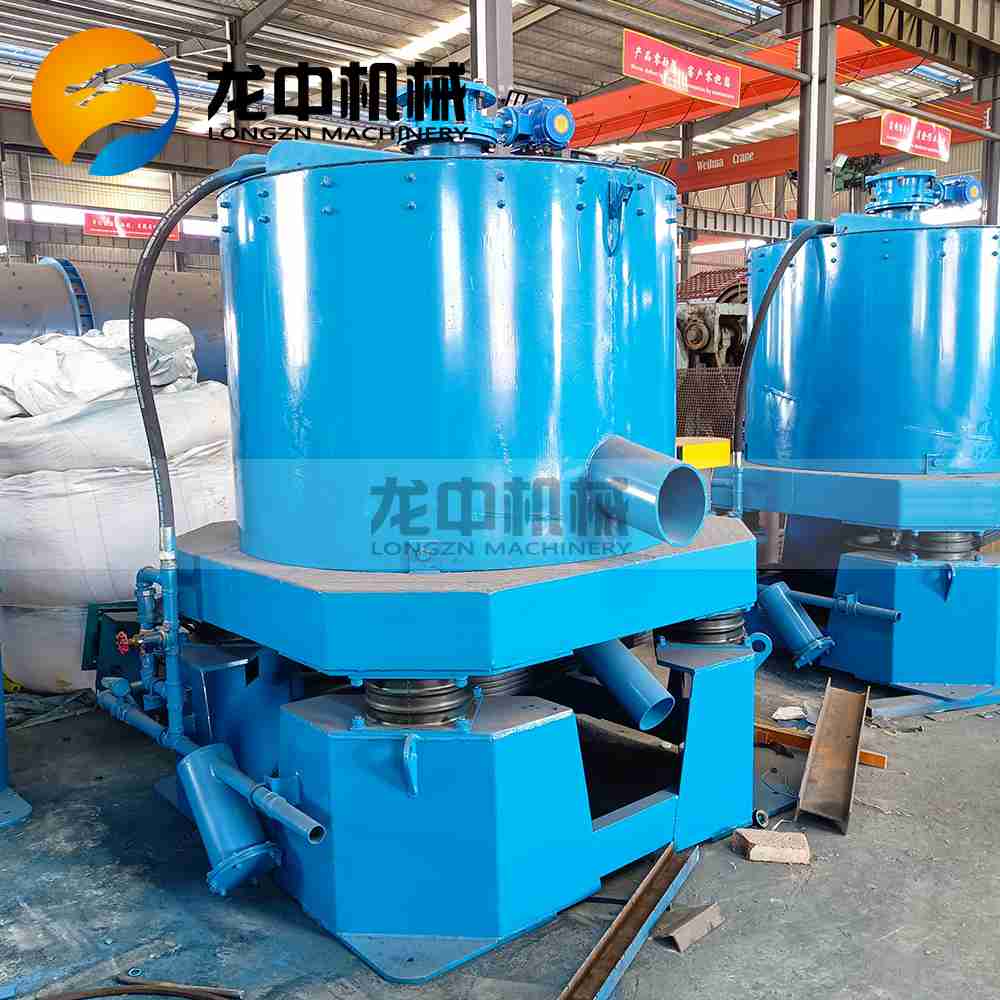
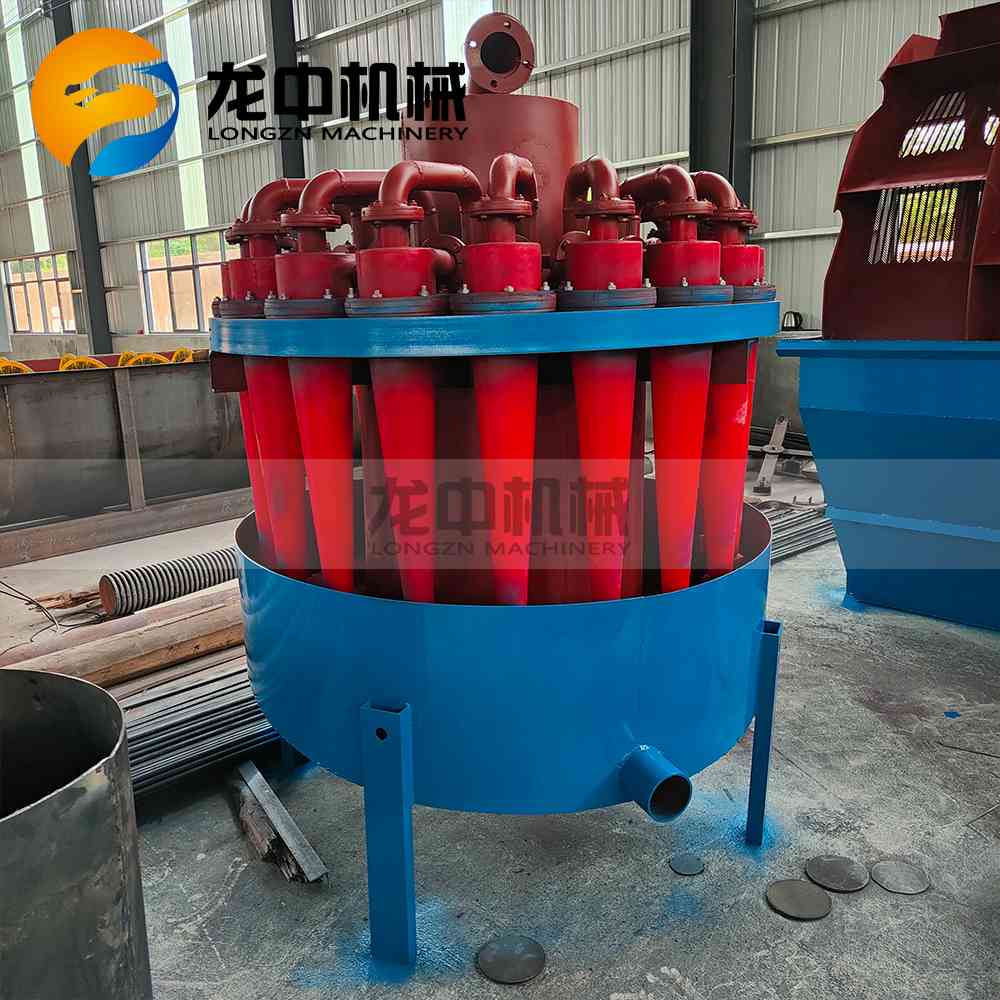
Gravity separation primarily utilizes the density difference between gangue minerals and kaolin to remove low-density organic matter and high-density impurities containing elements like iron, titanium, and manganese, thereby reducing their impact on whiteness. Centrifugal concentrators are typically used to remove these high-density impurities. Hydrocyclone assemblies can also be employed for washing and classification during kaolin processing. This approach not only achieves washing and grading but also removes some impurities, offering significant application value.
However, it is difficult to obtain kaolin products that meet required standards using gravity separation alone. Final qualification often requires subsequent processes like magnetic separation, flotation, or calcination.
2. Magnetic Separation of Kaolin
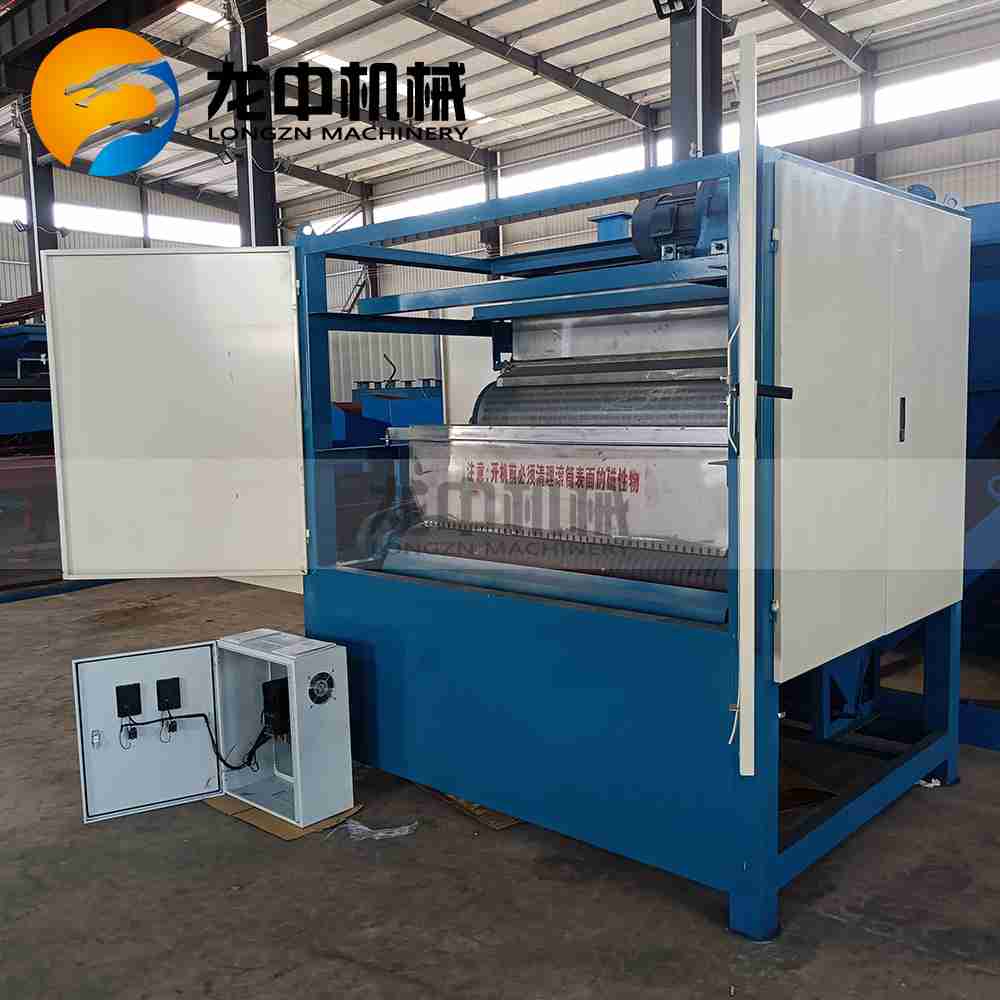
Nearly all raw kaolin ores contain small amounts of iron minerals (generally 0.5%-3%), primarily coloring impurities such as magnetite, ilmenite, siderite, and pyrite. Magnetic separation exploits the differences in magnetic properties between the gangue minerals and kaolin to remove these coloring impurities.
Magnetic separation is quite effective for removing strongly magnetic minerals like magnetite and ilmenite, or iron filings introduced during processing. For weakly magnetic minerals, two main methods exist: one involves roasting first to convert the minerals into strongly magnetic iron oxides, followed by magnetic separation; the other uses high-gradient high-intensity magnetic separation. Since magnetic separation does not require chemical reagents, it causes minimal environmental pollution and is widely used in non-metallic mineral processing. This method has effectively enabled the development and utilization of low-grade kaolin deposits, which were previously considered commercially unviable due to high iron content. Superconducting magnetic separators, characterized by high field strength, energy efficiency, and high productivity, can directly process heavily impure kaolin.
Nevertheless, using magnetic separation alone is often insufficient for obtaining high-grade kaolin products. Additional processes like chemical treatment are usually needed to further reduce the iron content.
3. Flotation of Kaolin
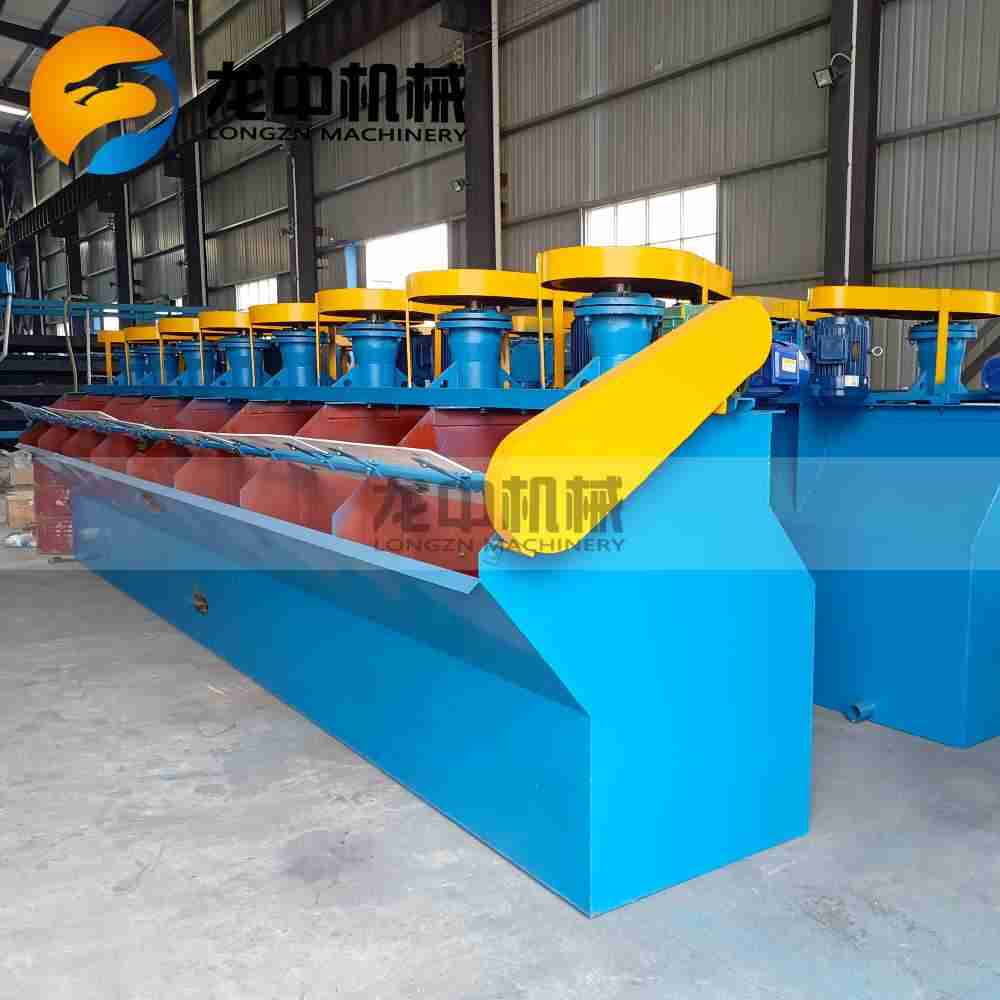
Flotation primarily utilizes differences in the surface physicochemical properties between gangue minerals and kaolin. It is used to treat raw kaolin ores with high impurity levels and low whiteness, removing iron, titanium, and carbon impurities to enable comprehensive utilization of low-grade kaolin resources.
Kaolin is a typical clay mineral where impurity minerals like iron and titanium are often embedded between its particles. Consequently, the raw ore must be ground to a specific fineness, typically resulting in particle sizes classified as "slime" in flotation processes. Common flotation methods for kaolin include ultra-fine particle flotation, two-liquid flotation, and selective flocculation flotation.
Flotation can effectively improve the whiteness of kaolin. However, its drawbacks include the need for chemical reagents, which increases production costs and poses risks of environmental pollution.
4. Chemical Treatment of Kaolin
Chemical Leaching: Reagents like sulfuric acid, hydrochloric acid, or nitric acid can be used to selectively dissolve certain impurities from kaolin. This method is suitable for removing impurities like hematite, limonite, and siderite from low-grade kaolin.
Chemical Bleaching: Bleaching agents can oxidize impurities in kaolin into soluble substances, which are then removed by washing, thereby enhancing the whiteness of the kaolin product. However, chemical bleaching costs are relatively high, so it is typically used for further purification of kaolin concentrate after initial impurity removal.
Calcination/Purification: This method utilizes differences in chemical composition and reactivity between impurities and kaolin. Processes like magnetizing roasting, high-temperature roasting, or chlorination roasting are used to remove iron-bearing impurities, carbonaceous impurities, sulfides, etc. Calcination can enhance the chemical reactivity of the product, significantly increase kaolin whiteness, and yield high-grade kaolin products. The main disadvantages of calcination are high energy consumption and the potential for environmental pollution.
It is generally difficult to obtain high-grade kaolin products using a single process. Therefore, in practical production, mine owners are advised to partner with qualified mineral processing manufacturers to conduct beneficiation tests. Employing a combination of various processes is recommended to improve the overall quality of the kaolin product.