
E-mail:
sale08@lzxkjx.comCall Us:
+86 15390744145
Due to the properties of tantalum-niobium minerals, their relatively high specific gravity (generally above 4.0), and the complex nature of their associated gangue minerals, the beneficiation process typically employs a combination of gravity separation, magnetic separation, flotation, electrostatic separation, and other methods. This article will provide a detailed analysis of the beneficiation methods and process flows for tantalum-niobium ore.
I. Pre-Beneficiation Preparation: Ore Pretreatment
Before formal separation, the raw ore must undergo sufficient crushing and grinding to achieve monomer liberation of tantalum-niobium minerals from gangue minerals.
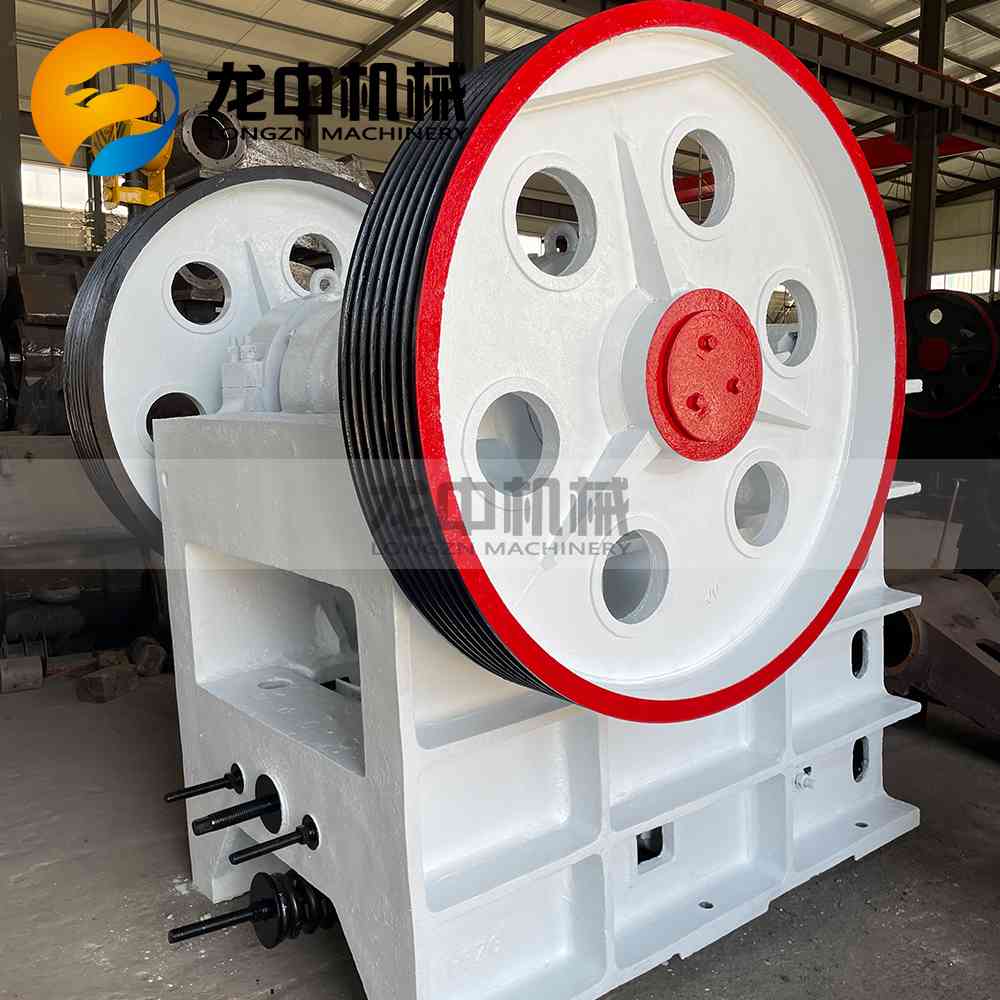
Crushing and Grinding: Due to the properties of tantalum-niobium minerals, over-grinding can easily generate excessive fine slime, leading to metal loss. Therefore, multi-stage crushing (e.g., using jaw crushers, cone crushers) and stage grinding processes are typically adopted, emphasizing the principles of "early recovery of coarse particles and stage grinding."
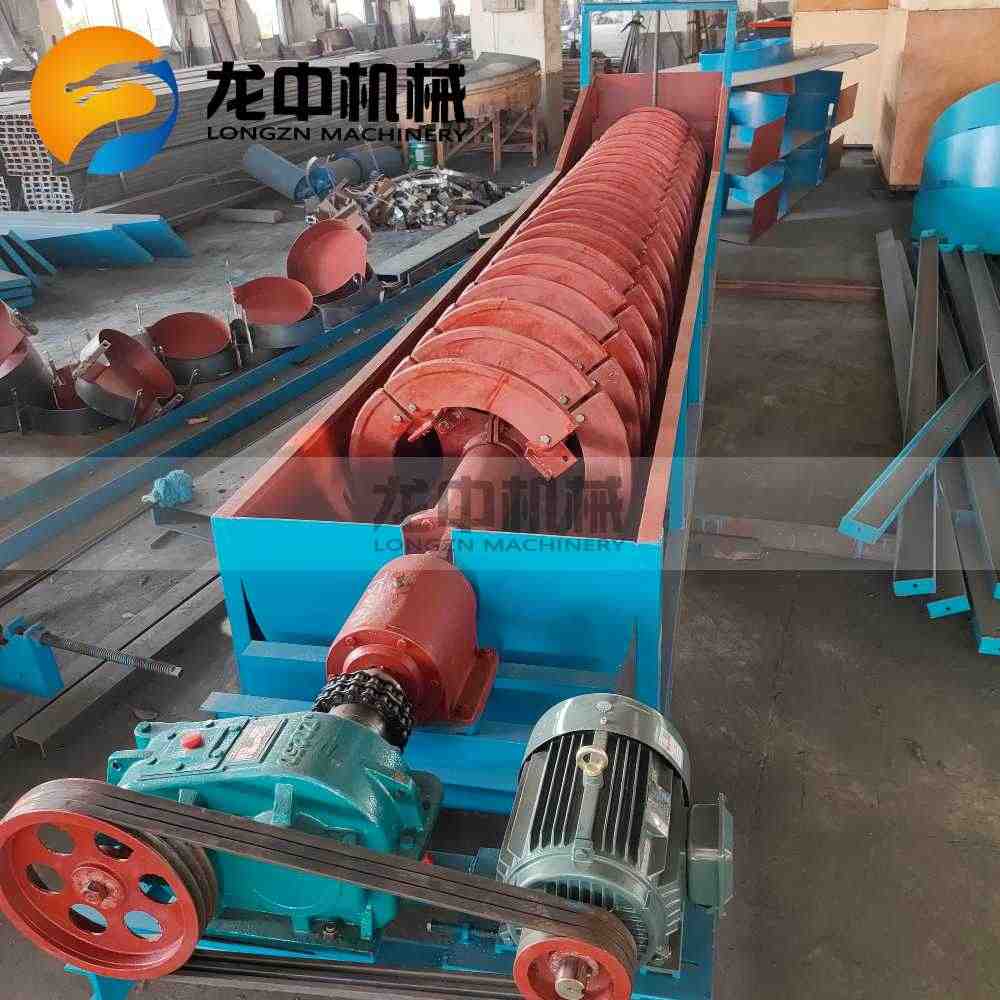
Desliming and Screening: Tantalum-niobium ores are often associated with significant amounts of clay minerals. Before entering gravity separation, pre-desliming is typically performed using spiral classifiers or hydrocyclones to improve the efficiency of subsequent separation. Concurrently, the ore is classified by particle size, with different size fractions directed to different separation equipment.
II. Core Beneficiation Methods for Tantalum-Niobium Ore
Gravity Separation
Gravity separation is the core method for processing tantalum-niobium ore. Tantalum-niobium minerals have a relatively high specific gravity (typically 5-8), while common gangue minerals such as quartz and feldspar have a specific gravity of only about 2.6, presenting a significant density difference.
Roughing Equipment:
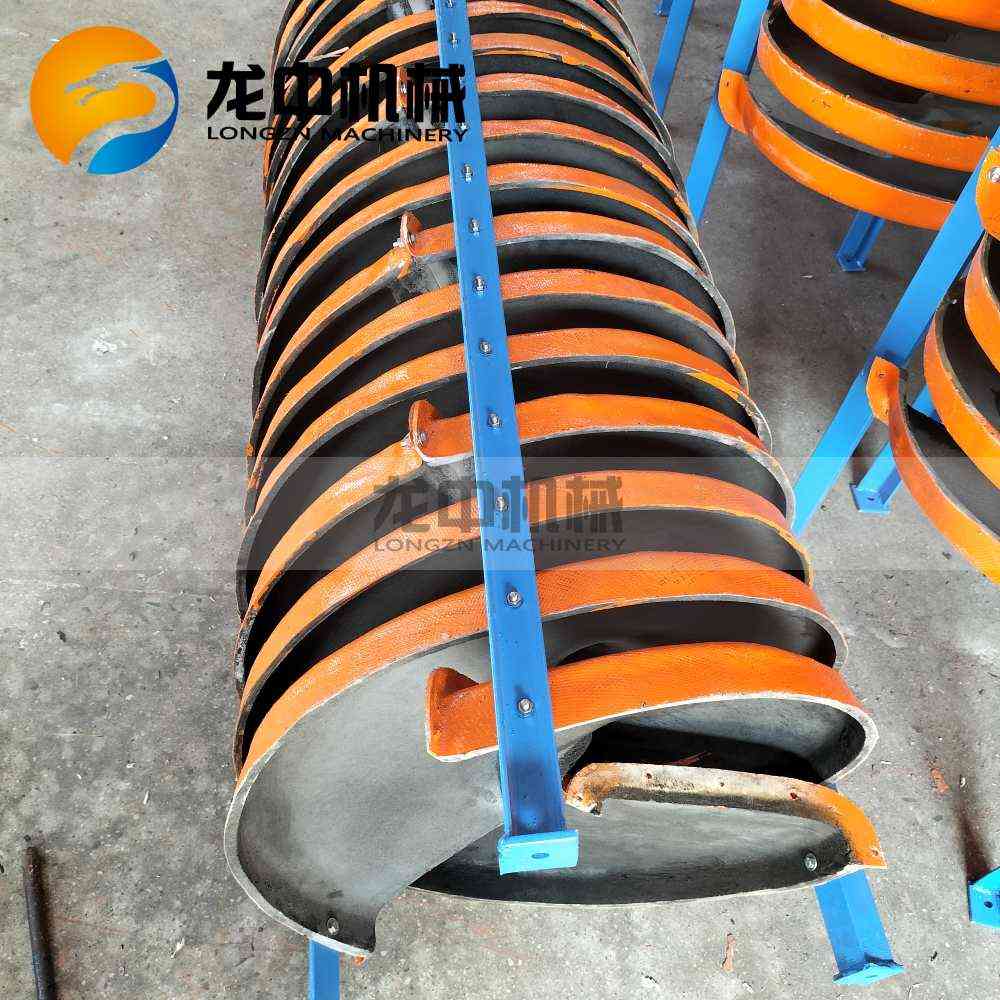
Spiral Chute: Commonly used for processing fine-grained materials. It offers high throughput and a simple structure, suitable for preliminary tailings rejection.
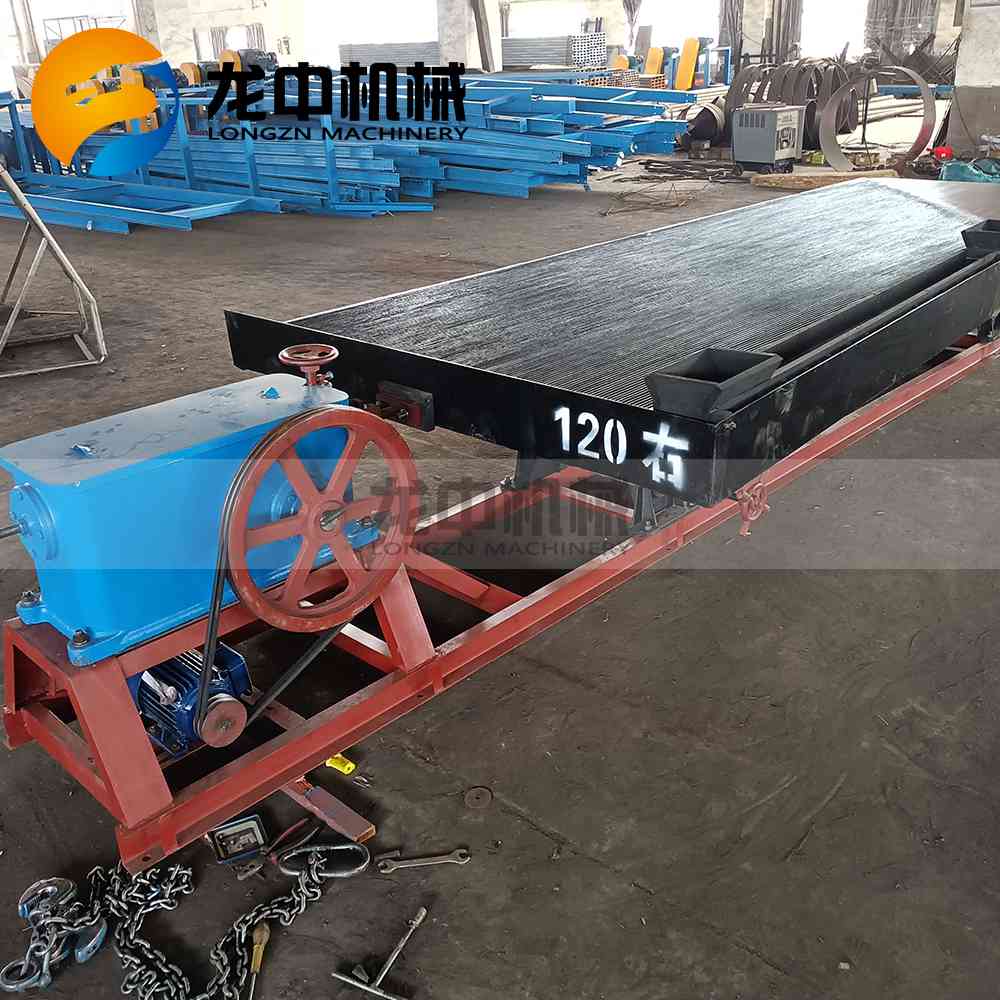
Shaking Table: This is the most critical equipment for gravity separation of tantalum-niobium ore. Through the reciprocating motion of the table deck and the washing action of cross-flow water, minerals with different specific gravities are stratified and separated. Shaking tables can yield a high-grade rough concentrate but have a relatively lower throughput.
Process Characteristics: Gravity separation is typically the first separation step, enabling the rapid disposal of a large volume of low-density gangue tailings, achieving the benefits of "high enrichment ratio and low cost."
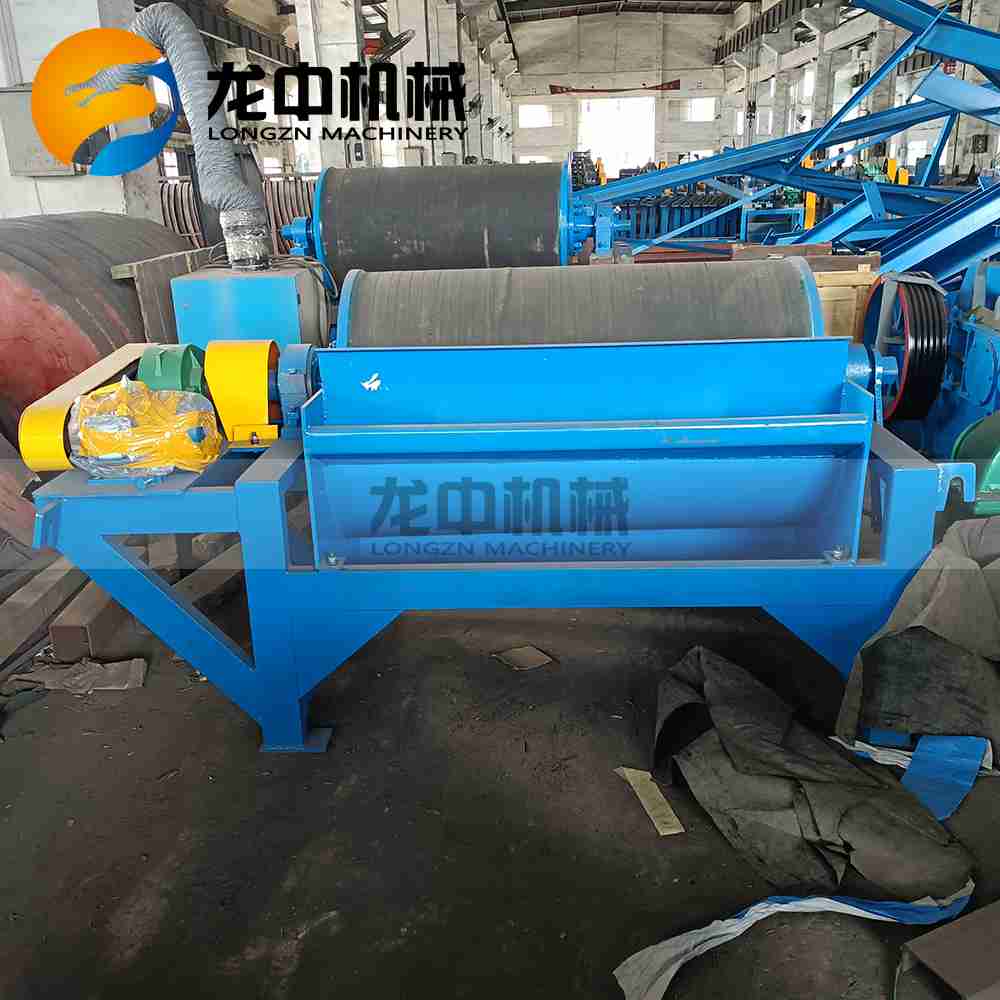
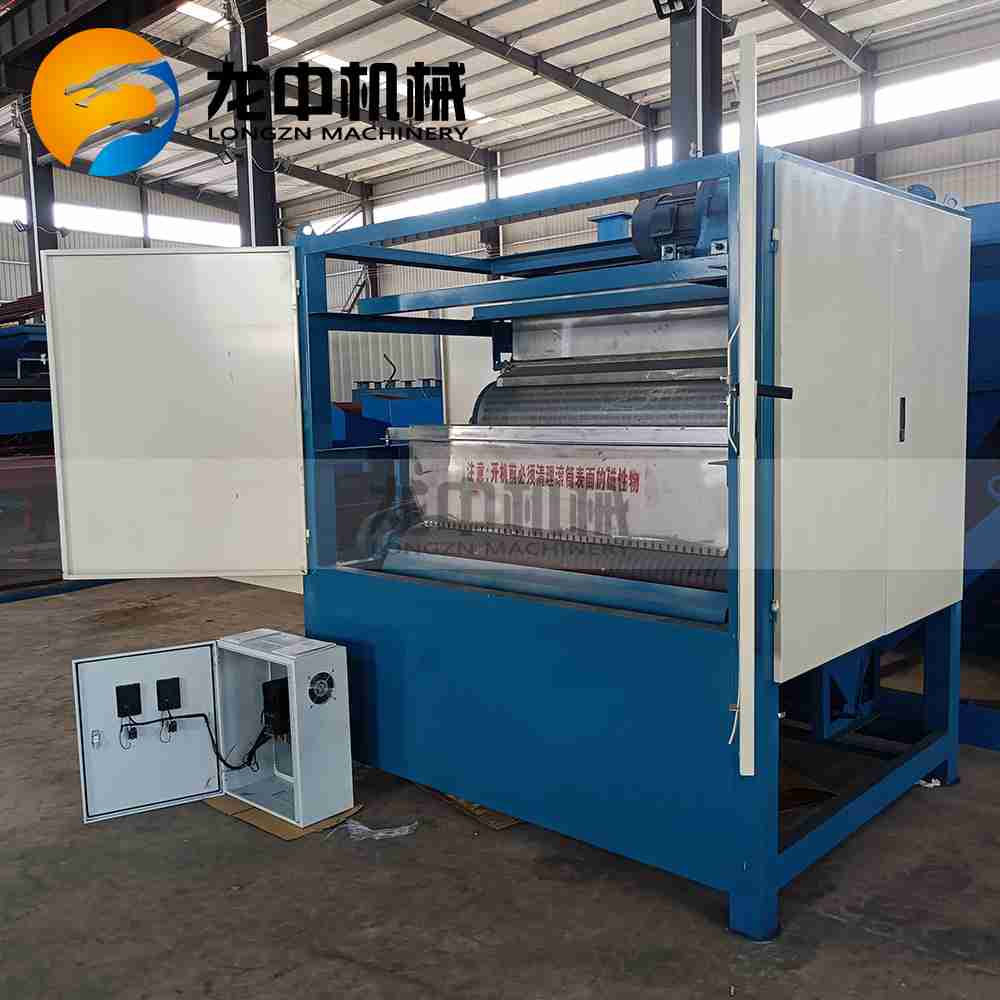
Magnetic Separation
Tantalum-niobium minerals usually possess moderate magnetic properties (classified as weakly magnetic minerals), while associated minerals like garnet, tourmaline, and ilmenite also exhibit varying degrees of magnetism.
Low-Intensity Magnetic Separation: Used to remove strongly magnetic minerals, such as magnetite, from the ore.
High-Intensity Magnetic Separation: Common equipment includes wet or dry high-intensity magnetic separators. This method utilizes the difference in magnetic susceptibility between tantalum-niobium minerals and non-magnetic minerals like quartz and feldspar to separate them. Magnetic separation is often used for further purification of the rough concentrate from gravity separation or as a pre-treatment step before flotation.
Flotation
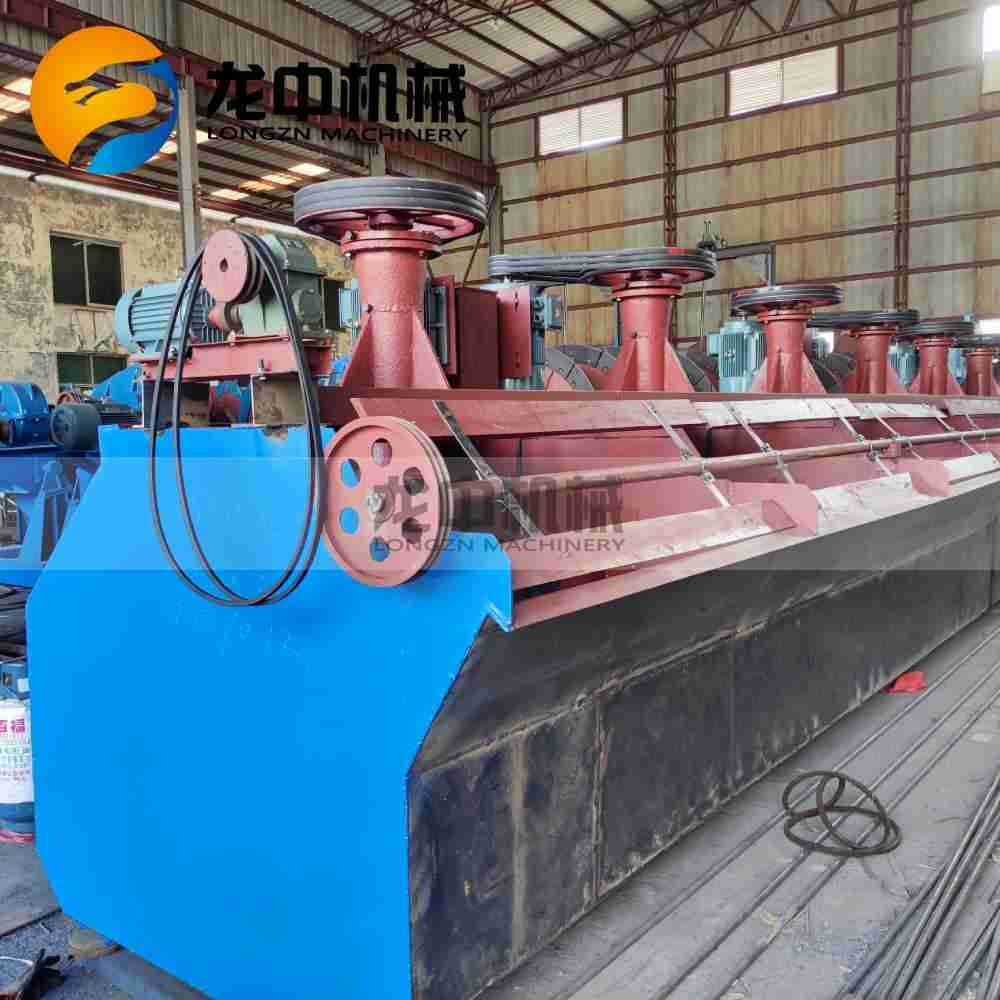
For finely disseminated tantalum-niobium ores (such as pyrochlore) or the micro-fine fractions that are difficult to recover by gravity separation, flotation is an important recovery method.
Reagent System: Flotation of tantalum-niobium minerals typically uses fatty acid collectors (e.g., oleic acid, tall oil) or hydroxamic acid collectors. Since the raw ore often contains calcium-bearing minerals, depressants such as sodium silicate or sodium hexametaphosphate are added to inhibit the gangue.
Application Scenarios: Primarily used to recover tantalum-niobium minerals from slimes or as a cleaning operation to further upgrade the concentrate grade.
Electrostatic Separation
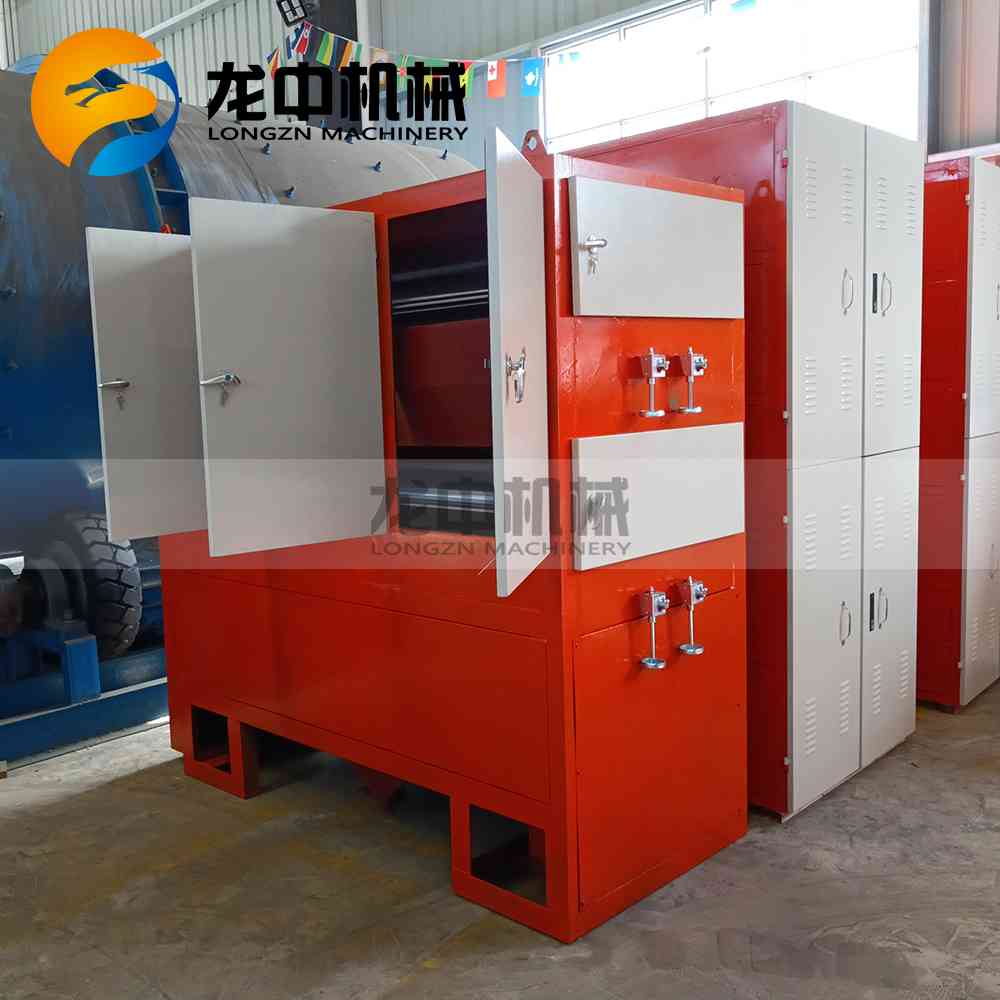
Electrostatic separation exploits the differences in mineral conductivity. It is commonly used to separate tantalum-niobium concentrates from other high-specific-gravity minerals with good conductivity, such as cassiterite, zircon, and ilmenite. This method is often employed in the final purification stage of cleaning operations.
III. Typical Tantalum-Niobium Ore Beneficiation Process Flows
Based on different ore types, the beneficiation processes for tantalum-niobium ore mainly include the following typical flows:
Gravity Separation – Magnetic Separation – Flotation Combined Process (for treating granite pegmatite type ores)
This is the most common process flow, suitable for ores where tantalite/columbite coexist with feldspar and quartz.
Process Description: After crushing, grinding, and classification, the raw ore enters spiral chutes/shaking tables for gravity separation, producing a mixed rough concentrate and discarding tailings. The mixed rough concentrate is then dried, screened, and subjected to high-intensity magnetic separation to separate the magnetic tantalum-niobium minerals from non-magnetic cassiterite and scheelite. If further grade improvement is required, flotation or electrostatic separation can be employed.
Stage Grinding – Stage Separation Process (for treating placer or weathered ores)
For tantalum-niobium placer ores or heavily weathered ores, the process flow is relatively simpler.
Process Description: After washing and screening to remove large waste rock and pebbles, the raw ore enters desliming tanks to remove fine slime. The deslimed sand ore then enters jigs for roughing, producing a jig concentrate and tailings. The jig concentrate is further cleaned on shaking tables to obtain the final concentrate. Middlings can be returned for regrinding and re-treatment.
Slime Treatment Process
The overflow (slimes) generated during gravity separation often contains a certain amount of micro-fine tantalum-niobium minerals, and discarding it directly results in significant loss.
Process Description: After thickening the gravity separation overflow, micro-fine flotation or centrifugal concentrators (e.g., Knelson concentrators) are used for recovery. In recent years, centrifugal concentrators have shown significant effectiveness in recovering fine-grained tantalum-niobium ores.
IV. Key Factors Affecting Tantalum-Niobium Ore Beneficiation Performance
Ore Characteristics: Liberation size is a critical factor. Ores with coarse liberation are preferentially processed using gravity separation, while those with fine liberation necessitate the use of flotation.
Over-Grinding Control: Due to the properties of tantalum-niobium minerals, generating excessive secondary fines during grinding must be avoided. Rod mills are often more suitable than ball mills for the primary grinding stage.
Effects of Slime Formation: Clay minerals can severely impact the efficiency of gravity separation and flotation; therefore, pre-desliming and washing are crucial.
Conclusion
The beneficiation of tantalum-niobium ore is a systematic engineering endeavor, and there is no universally applicable, rigid process. The development trend in modern tantalum-niobium beneficiation technology is the combined application of multiple beneficiation methods, striving for early and maximum recovery under coarse grinding conditions while enhancing the recovery of tantalum-niobium metals from slimes.
In actual production, the most economical and reasonable process flow must be determined through beneficiation tests based on specific ore characteristics (such as grade, liberation size, types of associated minerals) and investment costs, aiming to achieve ideal recovery rates and concentrate grades. As easily treatable ore resources diminish, the future development and utilization of complex, refractory tantalum-niobium resources will increasingly rely on innovation and optimization in beneficiation processes.