
E-mail:
sale08@lzxkjx.comCall Us:
+86 15390744145
I. Core Process Flow
A typical spodumene beneficiation process primarily consists of several core stages: crushing and screening, grinding and classification, separation (flotation, gravity separation, etc.), and product treatment.
Crushing and Screening: Following the principle of "more crushing, less grinding" to reduce the feed size for grinding
Crushing and screening constitute the pretreatment stage in beneficiation. The core objective is to provide material with a suitable particle size for grinding, and its effectiveness directly impacts the efficiency and energy consumption of subsequent operations.
Typical Process: A three-stage, one-closed-circuit crushing process is commonly adopted.
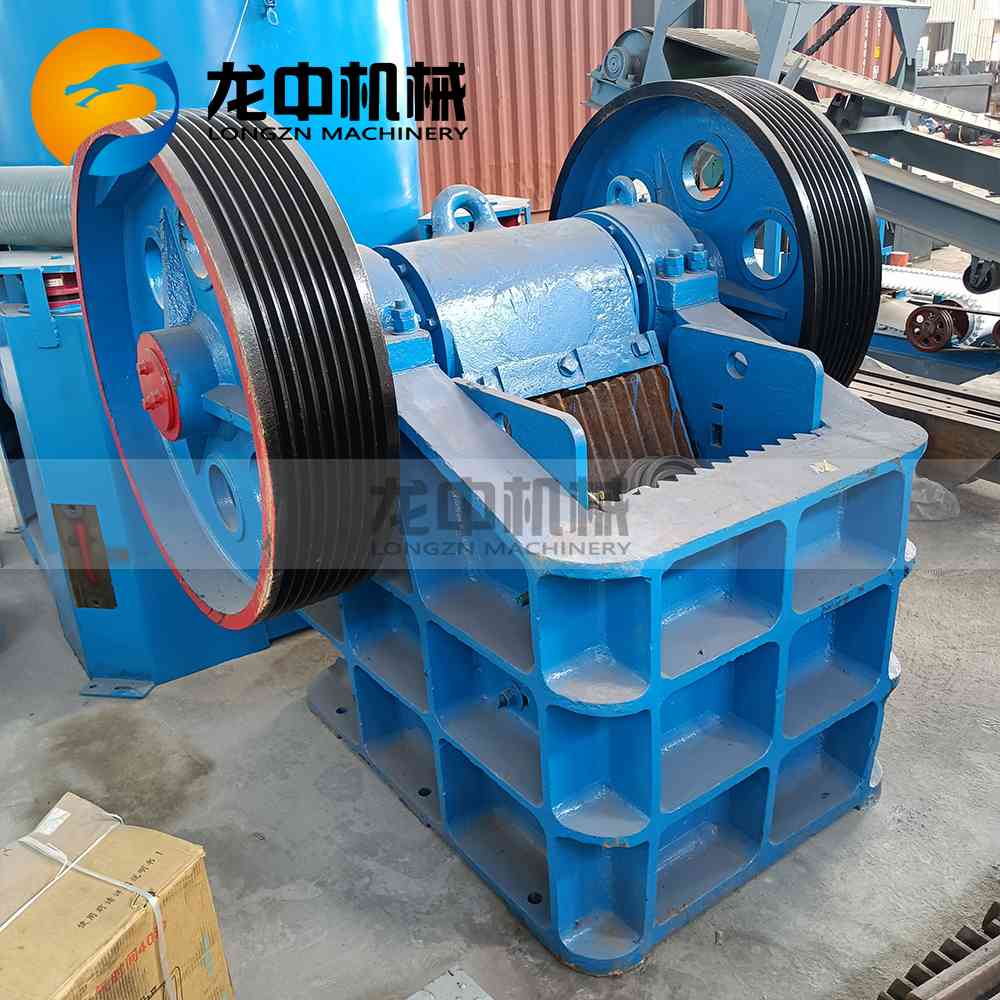
Primary Crushing: Run-of-mine ore is first processed by a jaw crusher, reducing the material to a size of 0-150mm.
Secondary Crushing: The product from primary crushing is conveyed by belt conveyor to a cone crusher for secondary crushing, producing material sized 0-30mm.
Tertiary Crushing and Screening: The secondary crushed product is screened by a circular vibrating screen. The oversize is returned to the cone crusher for tertiary crushing (forming a closed circuit), while the undersize (e.g., 0-5mm product) meets the qualified particle size and proceeds to the next stage.
Key Control Points:
Selection of Crushing Equipment: For spodumene with high hardness and strong abrasiveness, the combined process of jaw crusher and cone crusher is a reliable choice, offering good wear resistance and excellent product particle shape.
Particle Size Control: The final crushed product size is typically required to be below 15mm, or even finer, to achieve the goal of "more crushing, less grinding" and significantly reduce grinding energy consumption.
Grinding and Classification: Achieving mineral liberation to prepare for separation
The purpose of grinding is to achieve sufficient liberation of spodumene from gangue minerals, while classification ensures that the overflow product meets the particle size requirements for separation.
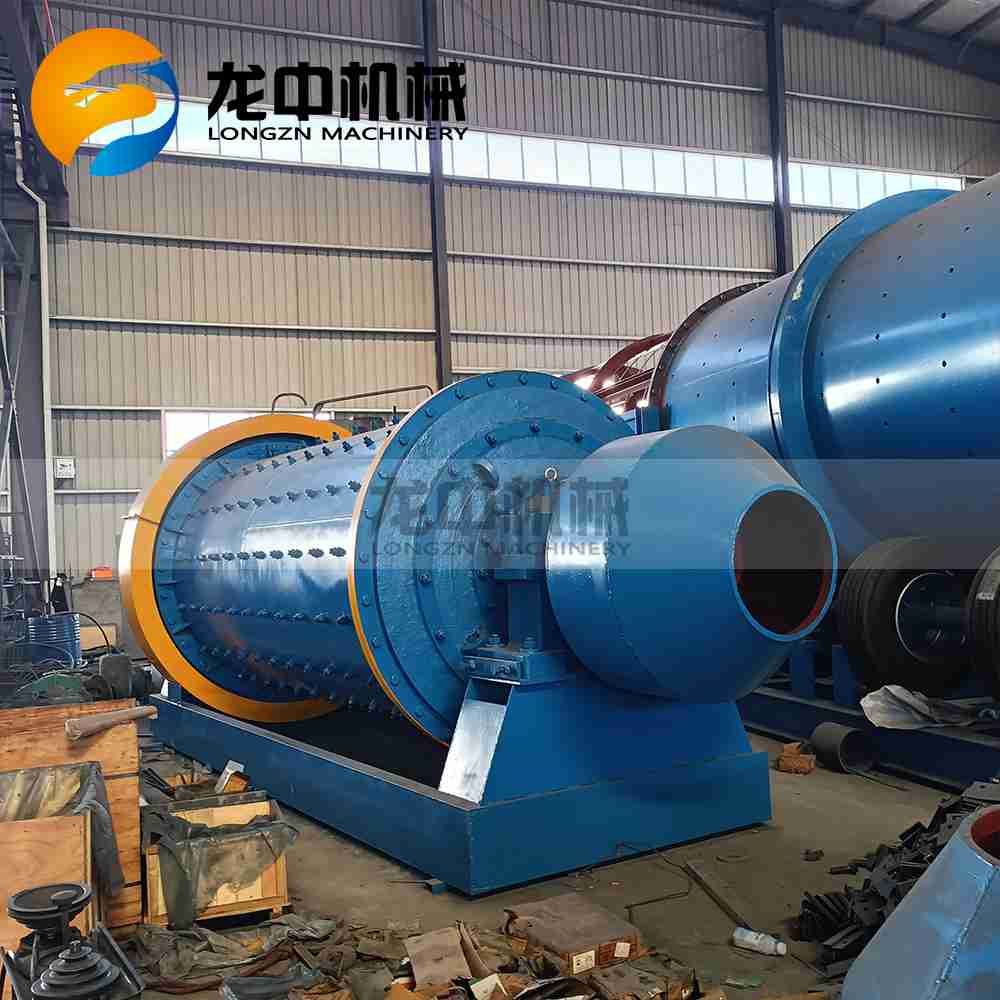
Typical Process: A closed-circuit grinding system consisting of a ball mill and hydrocyclones is generally employed.
The qualified material after crushing is fed into the ball mill for grinding.
The milled product is pumped to hydrocyclones for classification.
The cyclone underflow (coarse particles) is returned to the ball mill for regrinding.
The cyclone overflow (fine particles) proceeds to the subsequent process, with its particle size typically required to be 65%-75% passing 200 mesh.
Key Control Points:
Grinding Fineness: This is a critical factor affecting mineral liberation and subsequent flotation performance. Insufficient fineness leads to inadequate liberation; excessive fineness can cause over-grinding and slime formation, increasing reagent consumption and negatively impacting recovery.
Separation Operation: The core step for efficient concentration and enrichment
This is the core of spodumene beneficiation. Depending on the ore characteristics, flotation is the primary method, while pre-concentration processes like heavy medium separation are also becoming increasingly mature and applied.
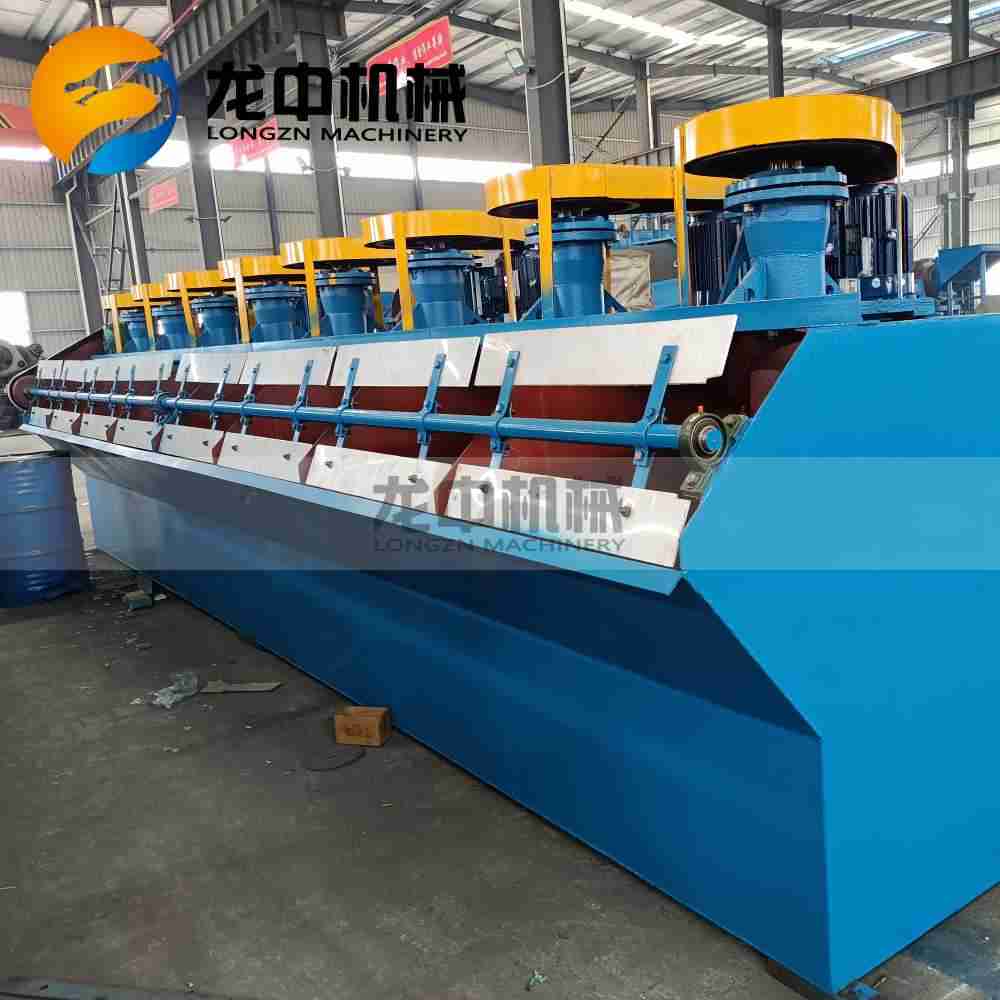
Flotation Method: Currently the most widely used method, exploiting differences in the surface physicochemical properties of minerals for separation.
Typical Process: A closed-circuit process comprising "one stage of rougher flotation, one stage of scavenger flotation, and three to five stages of cleaner flotation" is commonly used.
Reagent Scheme: This is crucial for flotation performance.
pH Modifiers: NaOH (sodium hydroxide) or Na₂CO₃ (sodium carbonate) are used to create a suitable weak alkaline or alkaline environment for spodumene flotation.
Depressants: Such as sodium silicate, used to depress silicate gangue minerals like quartz and feldspar.
Collectors: Anionic collectors like oxidized paraffin soap are commonly used, which selectively adsorb onto the spodumene surface, rendering it hydrophobic for flotation.
Technical Highlights:
Desliming: Slimes are often removed using equipment like inclined plate thickeners before flotation to reduce their ineffective adsorption of flotation reagents and their negative impact on concentrate quality.
Stage-wise Reagent Addition and Intensified Conditioning: Helps improve reagent efficacy and stabilize flotation performance.
Heavy Medium Separation (DMS): An efficient physical pre-concentration method.
Working Principle: Utilizes the density difference between spodumene and gangue minerals for separation within a heavy medium suspension.
Product Treatment: From slurry to marketable product
The lithium concentrate slurry obtained from flotation or gravity separation needs to be dewatered to become the final product.
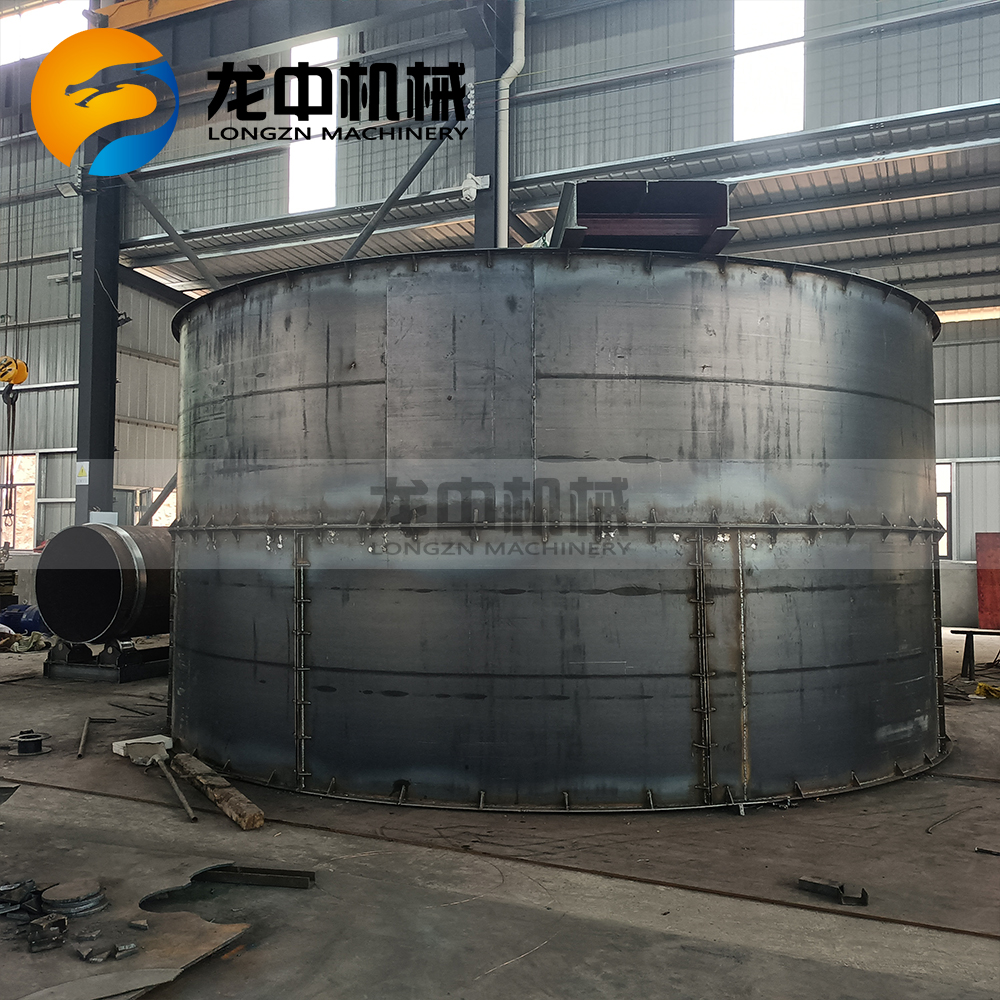
Thickening: Thickeners with the addition of flocculants are used to increase the concentrate slurry density to 50%-60%.
Filtration: Equipment such as filter presses is used to reduce the moisture content of the concentrate filter cake to below 12%. If customers have strict requirements, further drying can be performed.
II. Tailings Management and Comprehensive Recovery
To enhance the comprehensive utilization of resources and reduce environmental impact, tailings must be processed.
Magnetic Separation: Iron-bearing minerals or feldspar (which can be used as a ceramic raw material) often present in spodumene tailings can be recovered using a process combining low-intensity and high-intensity magnetic separation to recover iron or produce feldspar powder.
Other Technologies: New technologies like AI-powered optical sorters can also be used for pre-concentration waste rejection or impurity removal, improving overall separation efficiency.
III. Key to Process Selection: Tailored to Ore Characteristics
There is no universal process flow applicable to all ores. The specific selection must be based on detailed ore variability testwork.
Flotation Method: This is the mainstream and mature technology for treating various spodumene ores, especially those with complex mineral intergrowth relationships.
Heavy Medium Separation: This method offers significant advantages under conditions where the mineral liberation size is relatively coarse and there is a clear density difference with the gangue minerals, serving as an efficient pre-concentration step.
Combined Process: A combination process, such as "gravity separation - flotation," balances pre-concentration waste rejection with fine separation, achieving overall maximum benefits.
Spodumene beneficiation is a systematic project where each stage is interconnected. From the principle of "more crushing, less grinding" in crushing and screening, to "precise liberation" in grinding and classification, and finally to "efficient separation" in flotation or gravity concentration, meticulous control at every step is crucial. Please contact us for detailed customized production line solutions and equipment selection quotations.