
E-mail:
sale08@lzxkjx.comCall Us:
+86 15390744145
Placer tin ore, as an important secondary deposit of tin, is predominantly found in riverbeds, seashores, or alluvial layers of ancient river courses. It is formed by the natural weathering, transportation, and enrichment of primary tin deposits over extended periods. Placer tin ore is characterized by uneven particle size distribution, a loose structure, and a naturally low slime content. During beneficiation, after simple pretreatment, it can proceed directly to the gravity separation process. The detailed steps for placer tin ore beneficiation are as follows:
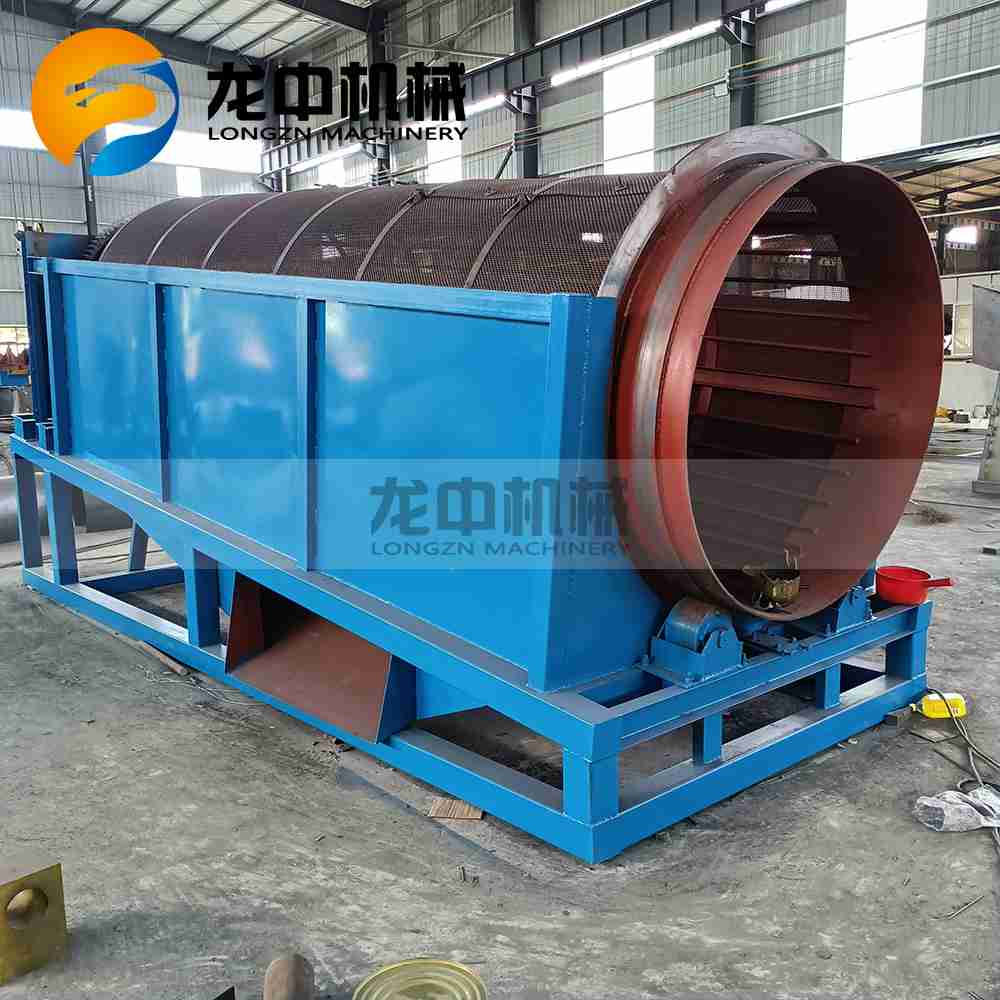
I. Trommel Screen Classification
Upon entering the beneficiation circuit, the run-of-mine ore is first subjected to preliminary classification using a trommel screen. This equipment utilizes a rotating screen mesh to accurately classify the ore based on particle size. Typically, it separates the material into fine sand (less than 2 mm), coarse sand (2-8 mm), and oversize material (greater than 8 mm). The oversize material (>8 mm) essentially contains no recoverable cassiterite and is discarded directly as tailings. This step significantly reduces the subsequent processing volume, thereby enhancing the overall beneficiation efficiency.
II. Spiral Classifier Desliming
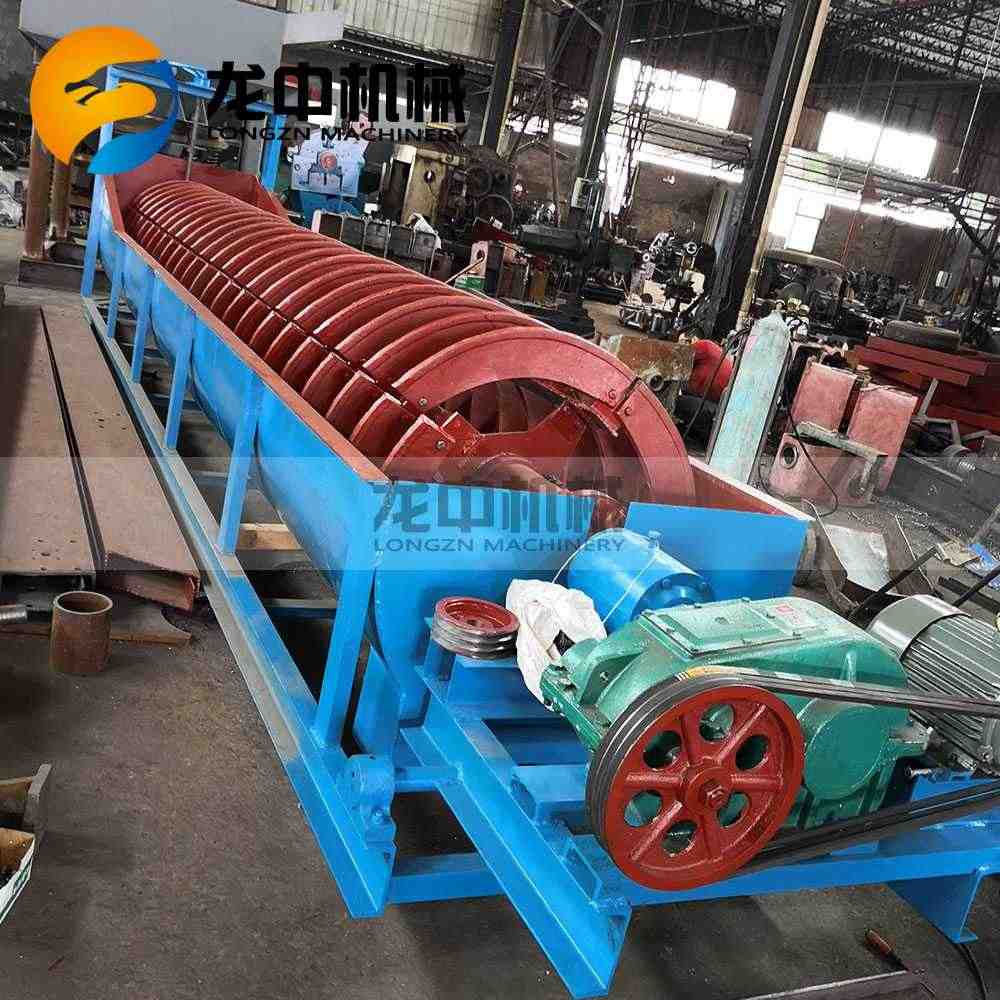
Placer tin ore often contains fine slime impurities that can interfere with subsequent separation processes. The spiral classifier exploits the differences in the settling velocities of materials with varying particle sizes and densities within a liquid medium. It separates the slime, which is discharged with the overflow, thereby improving the purity of the material fed into the main processing circuit and laying the foundation for efficient beneficiation.
III. Side-Action Jig Roughing
The coarse sand fraction is processed using a side-action jig machine. The side-action jig machine is a device specifically designed for heavy minerals like tungsten and tin. During operation, mineral particles are stratified by density within a vertically oscillating water current. High-density cassiterite particles settle rapidly to the bottom, forming a rough concentrate. Its processing capacity reaches 15-20 tons per hour, meeting the demands of large-scale production. The unique side-drive transmission structure ensures a stable jigging action and clear stratification, enhancing separation precision and recovery rate.
IV. Spiral Chute Enrichment
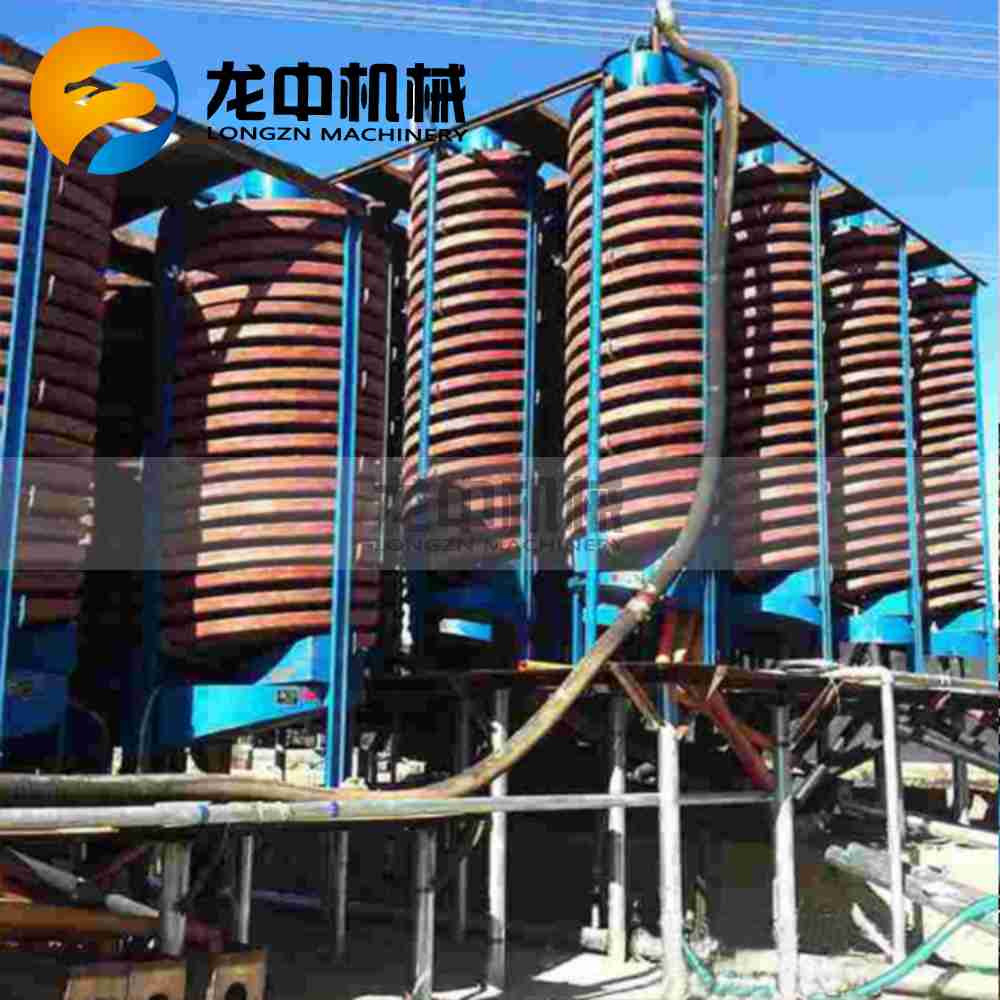
The deslimed fine sand fraction is fed into spiral chutes. This equipment integrates the forces of gravity, centrifugal action, and water flow. High-density cassiterite particles are concentrated towards the inner helix and collected as a rough concentrate via cutters. Low-density gangue minerals and any residual fine slime are carried by the water flow and discharged from the outer periphery of the chute. This achieves efficient enrichment of fine-grained tin minerals.
V. Shaking Table Cleaning
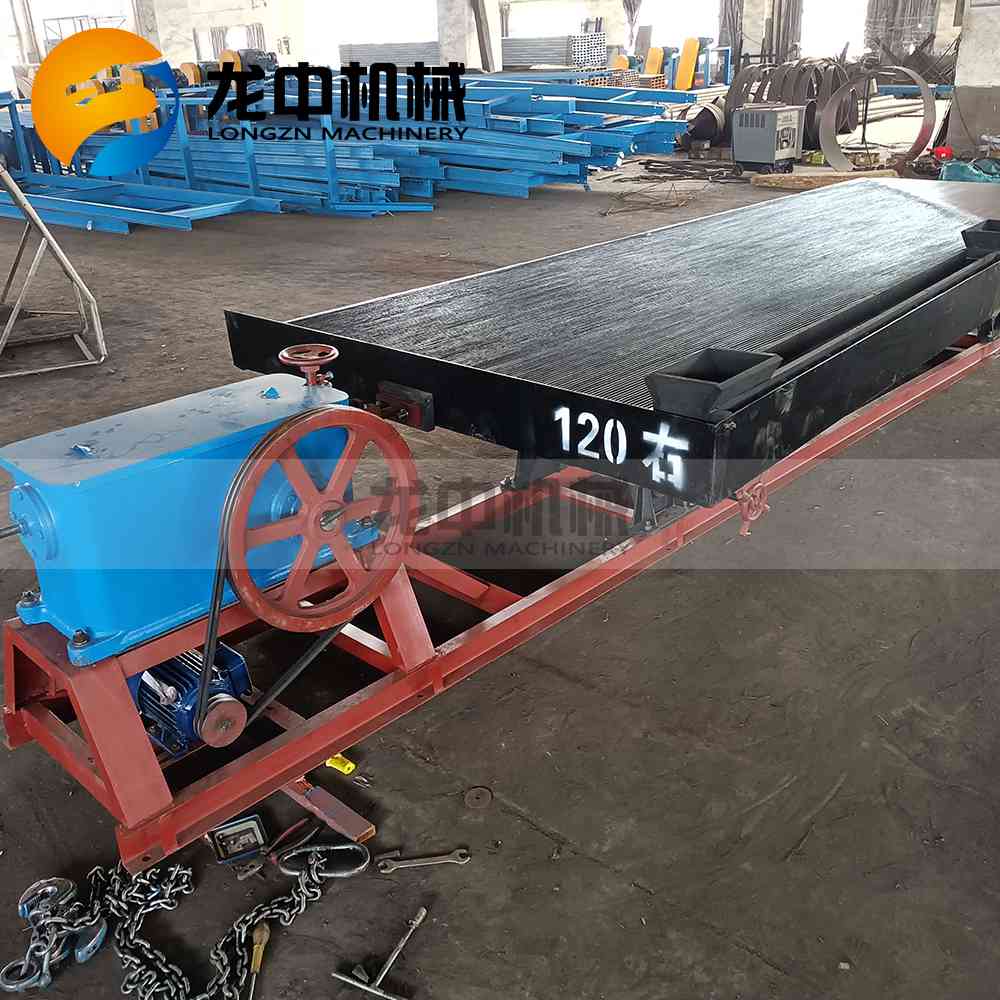
The rough concentrates produced by the spiral chutes and the jig undergo final cleaning using shaking tables. Through the combined action of an asymmetric reciprocating motion of the table deck and transverse water flow, mineral particles of different densities are caused to move along different paths. Ultimately, the high-grade tin concentrate is collected at the concentrate end, completing the entire beneficiation process.
Through the above processing stages, efficient recovery of placer tin resources is achieved