
E-mail:
sale08@lzxkjx.comCall Us:
+86 15390744145
Copper ore rarely exists in its pure metallic form in nature; it is mostly found as compounds coexisting with other minerals. Therefore, the copper ore extracted from the ground must undergo a series of complex physical and chemical processing steps to obtain copper-enriched "concentrate," preparing it for subsequent smelting operations. This processing is known as the copper beneficiation process flow.
The core objective of beneficiation is "enrichment" – that is, to maximize the content of the useful component in the ore while removing impurities as much as possible. The copper beneficiation process typically includes the following core stages: Crushing & Screening → Grinding & Classification → Flotation Separation → Thickening & Dewatering. Additionally, depending on the ore characteristics, pre-treatment processes such as pre-concentration or roasting may be incorporated.
I. Preliminary Preparation: Crushing and Screening
Run-of-mine (ROM) ore directly from the mine consists of very large lumps, potentially over one meter in diameter, and cannot be processed directly. The purpose of crushing is to progressively reduce the ore particle size through physical methods, preparing it for subsequent grinding and separation operations.
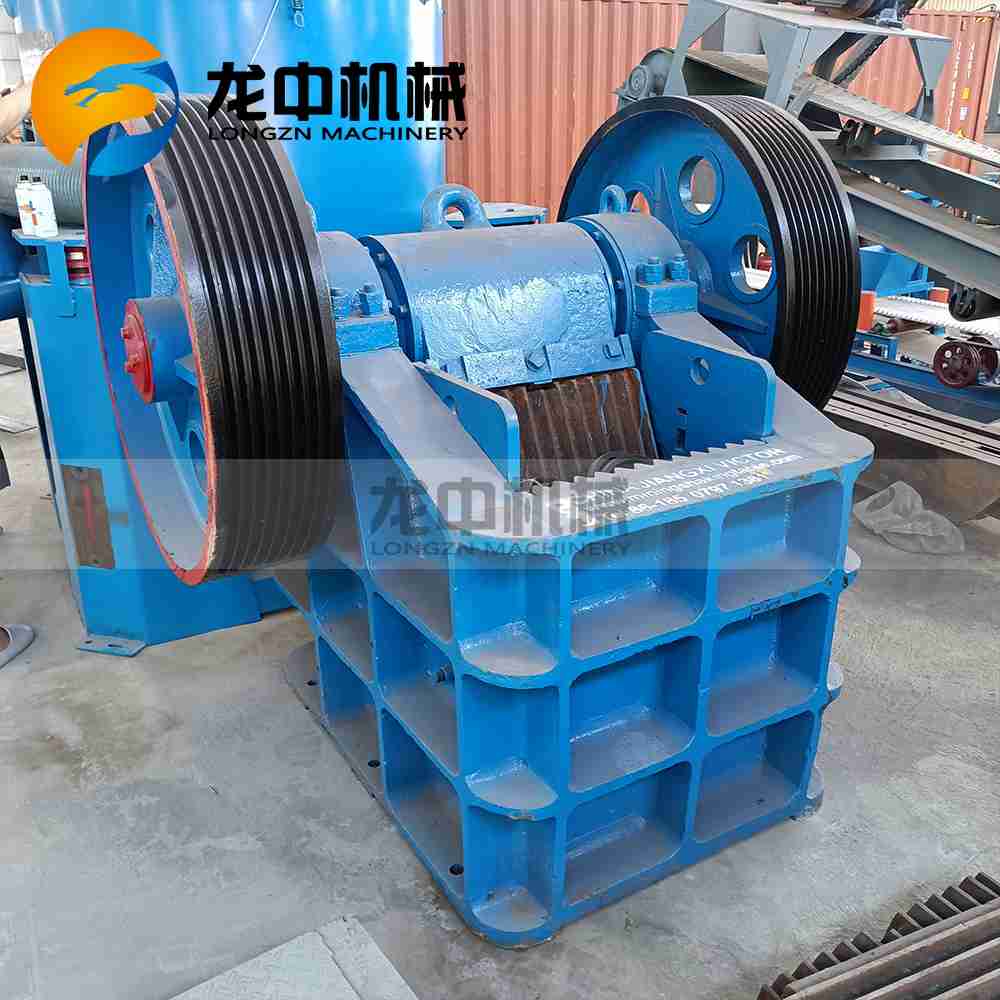
Primary Crushing: The ROM ore is first fed by a feeder into a Jaw Crusher or Gyratory Crusher. These machines use powerful mechanical force to break the large ore lumps down to about 200-300 mm. Jaw crushers, known for their simple structure and reliable operation, are often the preferred equipment for primary crushing.
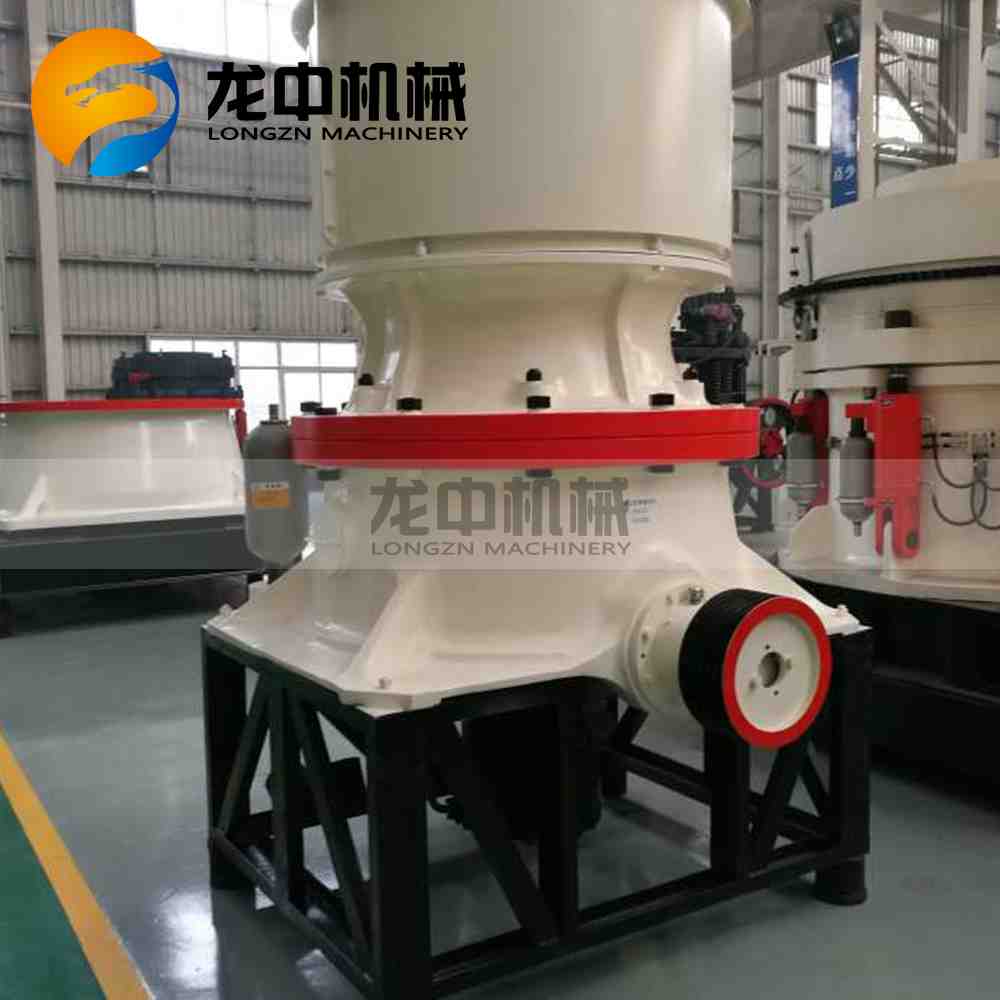
Secondary Crushing: The coarsely crushed product is conveyed by belt to a Cone Crusher for secondary crushing, further reducing the ore size to about 60-80 mm. Cone crushers offer high productivity and strong crushing force, making them suitable for medium and fine crushing of hard ores.
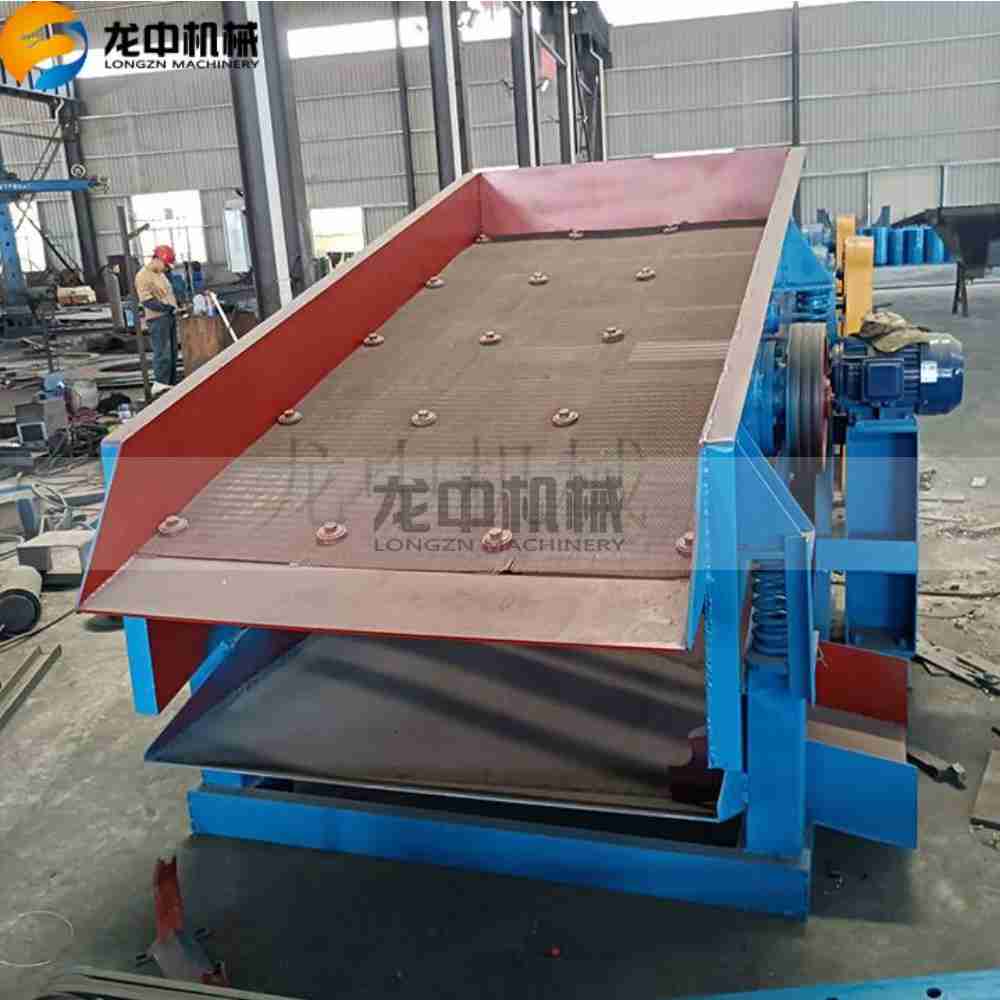
Tertiary Crushing and Screening: The product from secondary crushing is sent to a Vibrating Screen for sizing. Ore meeting the target size proceeds to the next stage, while oversized material is returned to the cone crusher (or an Impact Crusher might be used) for re-crushing, forming a closed-circuit system. This concept of "more crushing, less grinding" is crucial because crushing consumes far less energy than grinding. Improving crushing efficiency effectively reduces the overall energy cost of the processing plant.
After this "three-stage, closed-circuit" crushing process (primary, secondary, tertiary crushing coupled with screening forming a closed loop), the ore size is typically controlled to below 10-15 mm, creating favorable conditions for the grinding operation.
II. Core Preparation in Copper Beneficiation: Grinding and Classification
Grinding is the most energy-intensive stage in the beneficiation process. Its purpose is not merely further size reduction but, more importantly, to achieve the "liberation" of valuable minerals from gangue minerals. Copper minerals are often finely intergrown with gangue minerals like quartz and calcite. Only by grinding the ore to a sufficient fineness can the copper minerals be liberated as individual particles, allowing effective separation by subsequent methods.
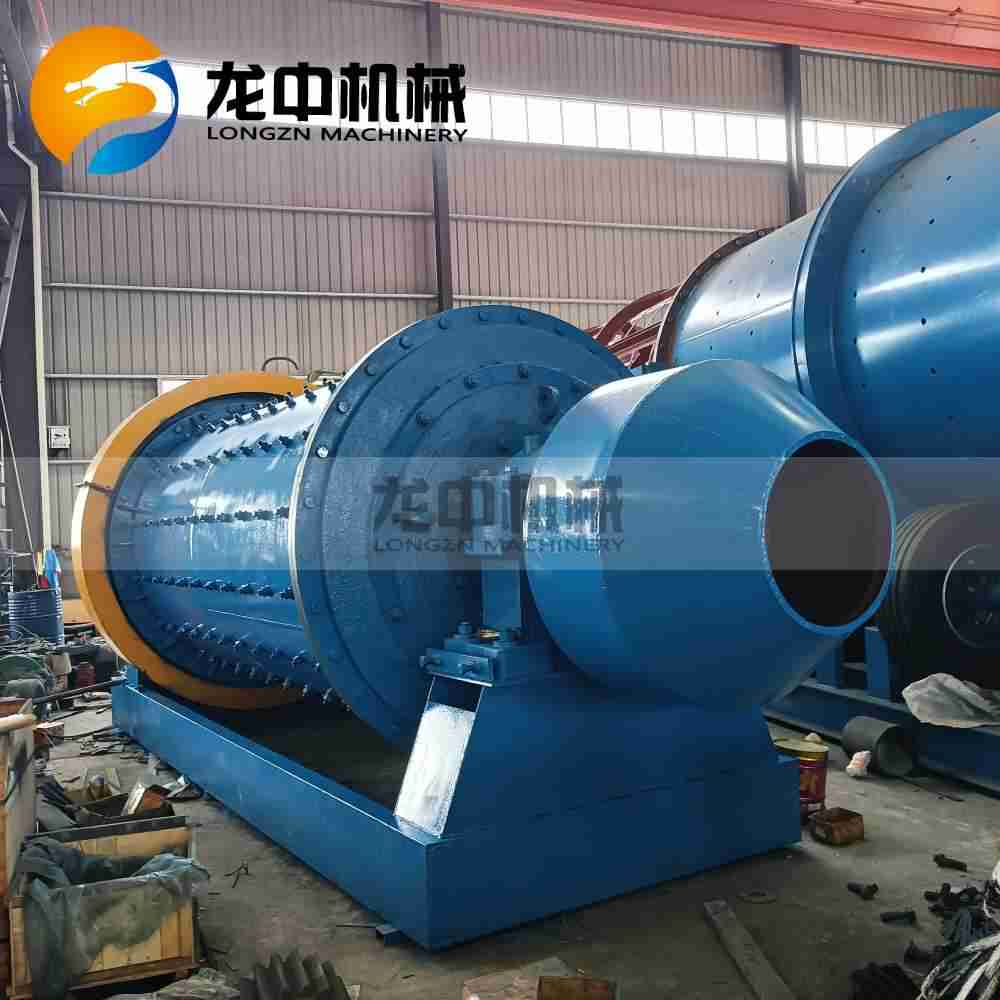
Grinding: The crushed ore is mixed with a certain proportion of water and fed into a Ball Mill or Rod Mill. The mill contains a specific charge of steel balls or rods. As the cylinder rotates, the grinding media are lifted to a certain height and then fall, impacting and grinding the ore into fine particles.
Classification: The ground product flows into a Hydrocyclone or Spiral Classifier for classification. The principle of classification is to separate particles based on differences in size and density using centrifugal force or gravity. Finer particles that meet the size specification (typically with 60%-90% passing 200 mesh) overflow and proceed to flotation. Coarser particles are returned as "underflow" or "sands" to the mill for regrinding, forming another closed-circuit cycle. Classification controls the final product fineness, prevents over-grinding, and ensures optimal liberation and flotation performance.
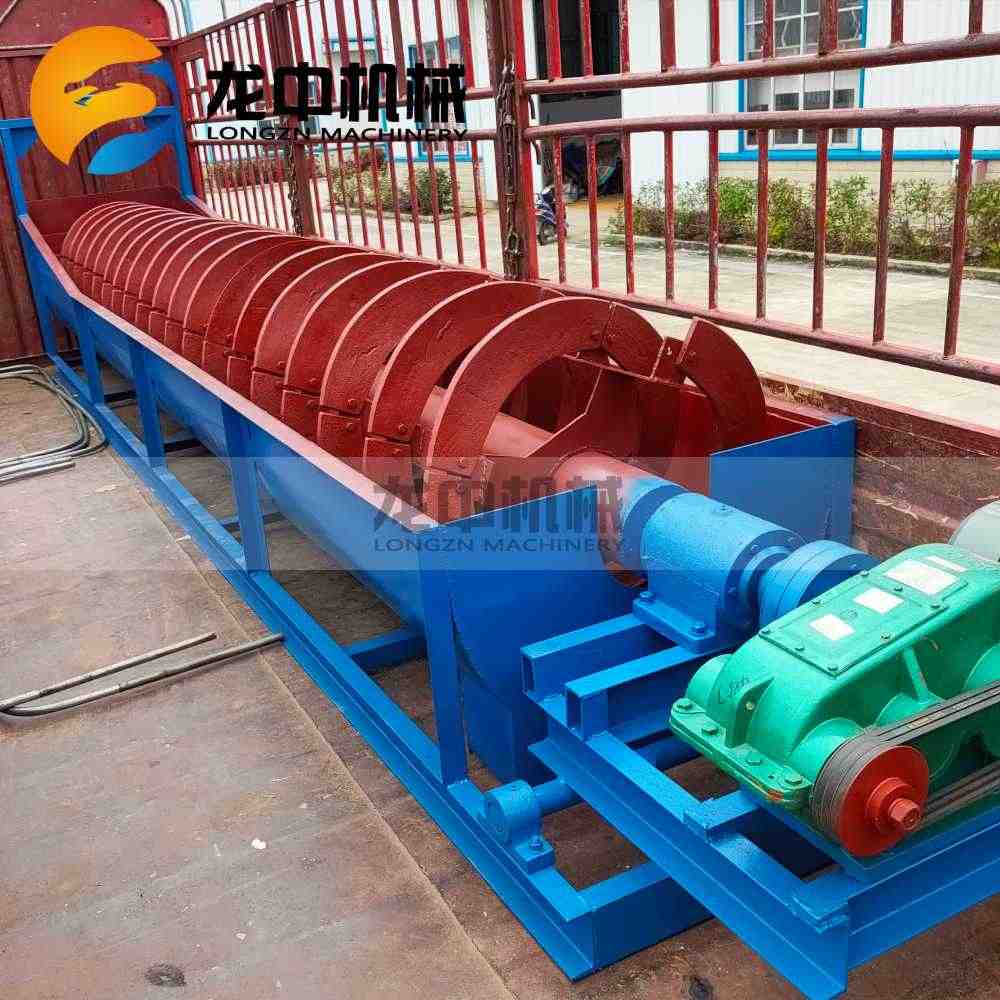
The grinding-classification circuit acts as the bridge between crushing and flotation. Its product quality (particle size distribution, density) directly determines the performance of the entire flotation process and is considered the "heart" of the concentrator.
III. Core Separation: Flotation
Flotation is the most widely used and effective method in modern mineral processing, particularly for copper ores. Its basic principle relies on differences in the physicochemical surface properties of minerals. Through reagent treatment, separation is achieved in water using the buoyancy of air bubbles.
Conditioning and Reagent Addition: The slurry from the classification stage is first agitated in a conditioning tank, where a series of flotation reagents are added:
Collectors: These selectively adsorb onto the surfaces of the target minerals (e.g., chalcopyrite, chalcocite), making them hydrophobic (water-repellent). Common examples are xanthates and dithiophosphates.
Frothers: These reduce the surface tension of water, promoting the formation of a large number of stable, suitably sized air bubbles in the slurry. Pine oil is a common example.
Modifiers: These include activators, depressants, and pH regulators. For instance, lime is used to create a highly alkaline environment (pH > 10) to depress pyrite, while copper sulfate is used to activate certain refractory zinc minerals.
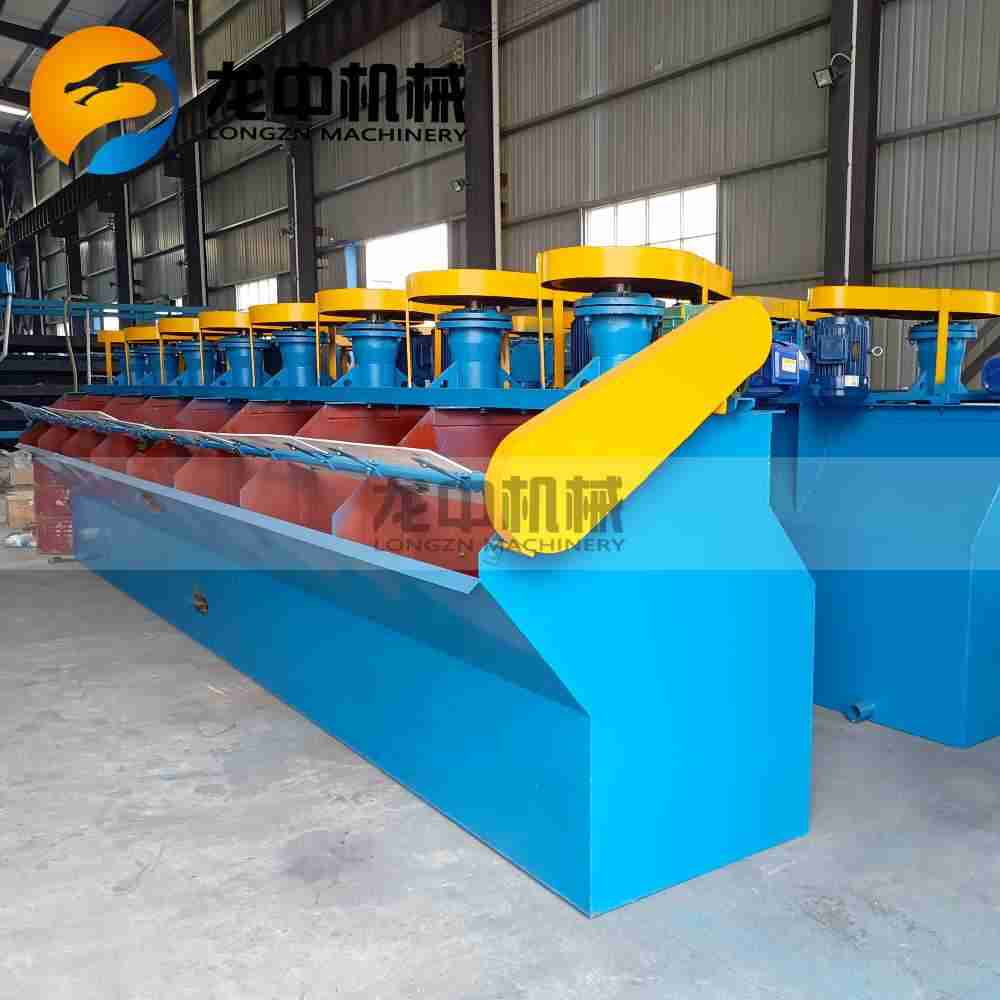
Flotation Operation: The conditioned slurry is fed into Flotation Cells. These cells mechanically agitate the slurry, drawing in air and generating numerous bubbles. Hydrophobic valuable mineral particles attach to these bubbles and rise to the surface, forming a froth layer. This froth is skimmed off by scrapers, producing the copper concentrate. The hydrophilic gangue particles remain in the slurry and are discharged as tailings.
The flotation process typically employs a combined circuit of "Roughing - Cleaning - Scavenging":
Roughing: Quickly separates the bulk of the copper concentrate and the final tailings.
Cleaning: The concentrate from roughing is subjected to further flotation (often multiple stages) to discard entrained gangue impurities, thereby increasing the concentrate grade (copper content).
Scavenging: The tailings from roughing are re-floated to recover any remaining valuable minerals, reducing the tailings grade and improving the overall copper recovery rate.
This complex circuit design ensures high-grade concentrate production while maximizing the recovery of copper resources from the ore.
IV. Product Handling: Thickening and Dewatering
The copper concentrate obtained from flotation is a slurry containing a significant amount of water and must be dewatered for transport and subsequent smelting.
Thickening: The concentrate slurry first enters a Thickener (or Clarifier). This is a large circular tank where solid particles settle to the bottom under gravity, while clarified water overflows from the top (this process water can be recycled, conserving water resources). The thickened underflow slurry can reach a density of 50%-65% solids.
Filtration: The thickened concentrate slurry is still paste-like and requires further dewatering. Vacuum Filters (such as disc filters, ceramic filters) or Filter Presses are commonly used. These devices separate water from the solid particles by applying a vacuum or pressure, producing a filter cake with a moisture content typically below 15%.
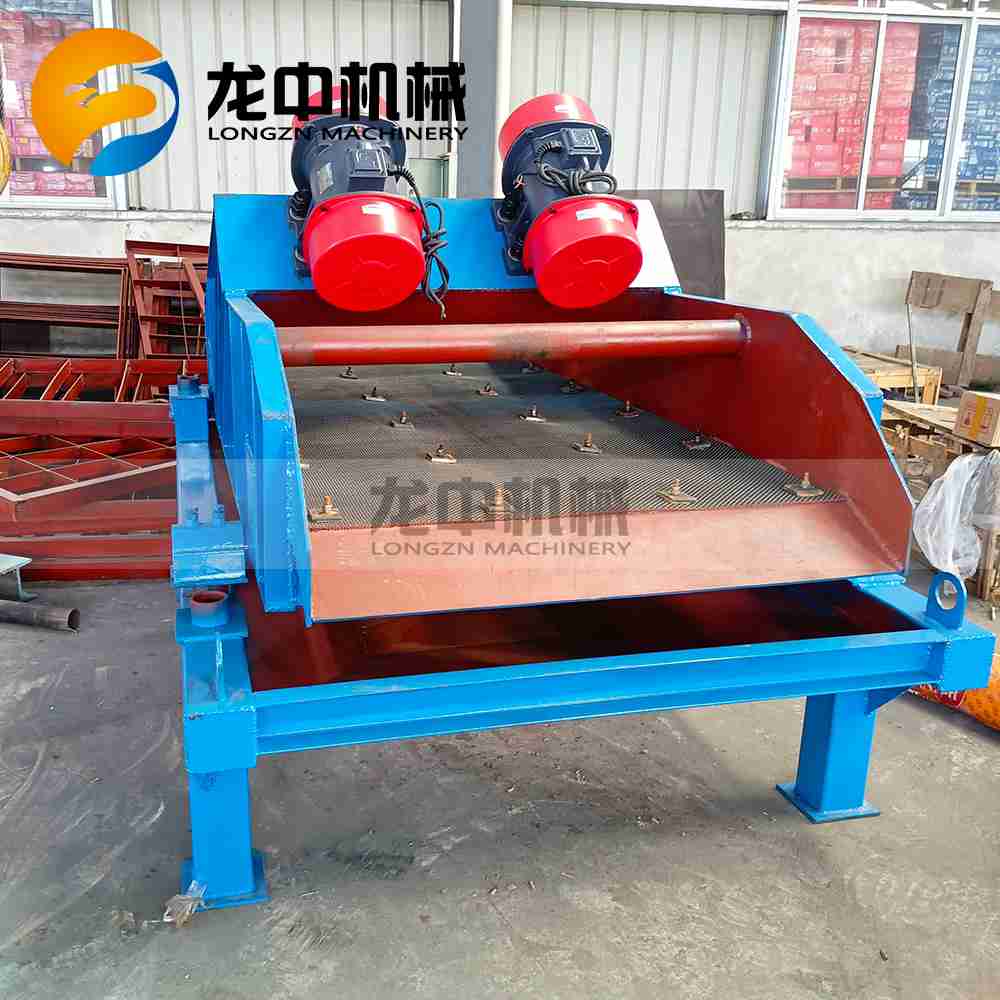
Drying (Optional): In regions with stricter requirements or colder climates, the filter cake might be further dried in a Dryer to minimize moisture content, prevent freezing, and reduce transport weight. The dried copper concentrate is then packaged and shipped to the smelter.
V. Special Processes for Different Ore Types
The copper beneficiation process described above primarily targets the most common copper sulfide ores (e.g., chalcopyrite). For other types of copper ores, the process differs:
Oxidized Copper Ore Beneficiation Process: Due to the much poorer floatability of oxidized minerals (e.g., malachite, azurite) compared to sulfides, direct flotation is often ineffective. The Leach-Solvent Extraction-Electrowinning (L-SX-EW) process is commonly used. This involves dissolving copper from the ore using a solvent like dilute sulfuric acid (leaching), then extracting and concentrating the copper from the solution using specific organic solvents (solvent extraction), and finally obtaining high-purity cathode copper through electrolysis (electrowinning).
Mixed Copper Ore Beneficiation Process: This refers to ores containing both copper sulfide and copper oxide minerals. A combined "Flotation-Leaching" process is typically employed: flotation first recovers the sulfide minerals, followed by leaching of the flotation tailings to recover copper from the oxide minerals.
Refractory Copper Ore Beneficiation Process: When the ore has an extremely fine grain size and complex mineral intergrowth, more efficient grinding technologies (e.g., SAG/Ball Mill circuits) or pre-treatment methods like roasting might be required to alter the crystal structure and improve recovery.
The copper beneficiation process is a continuous, automated, and complex industrial operation integrating knowledge from multiple disciplines such as comminution engineering, fluid mechanics, surface chemistry, and process control. The design of the process flow is highly dependent on ore properties (mineral composition, liberation size, intergrowth relationships, etc.). "Tailoring the process to the specific ore" is the golden rule in concentrator design. With technological advancements, the application of large-scale, high-efficiency, energy-saving equipment, online elemental analyzers, automated reagent dosing systems, and intelligent optimization control is continuously driving copper beneficiation technology towards higher efficiency, lower energy consumption, and improved environmental performance, meeting the world's growing demand for copper resources.