E-mail:
sale08@lzxkjx.comCall Us:
+86 15390744145
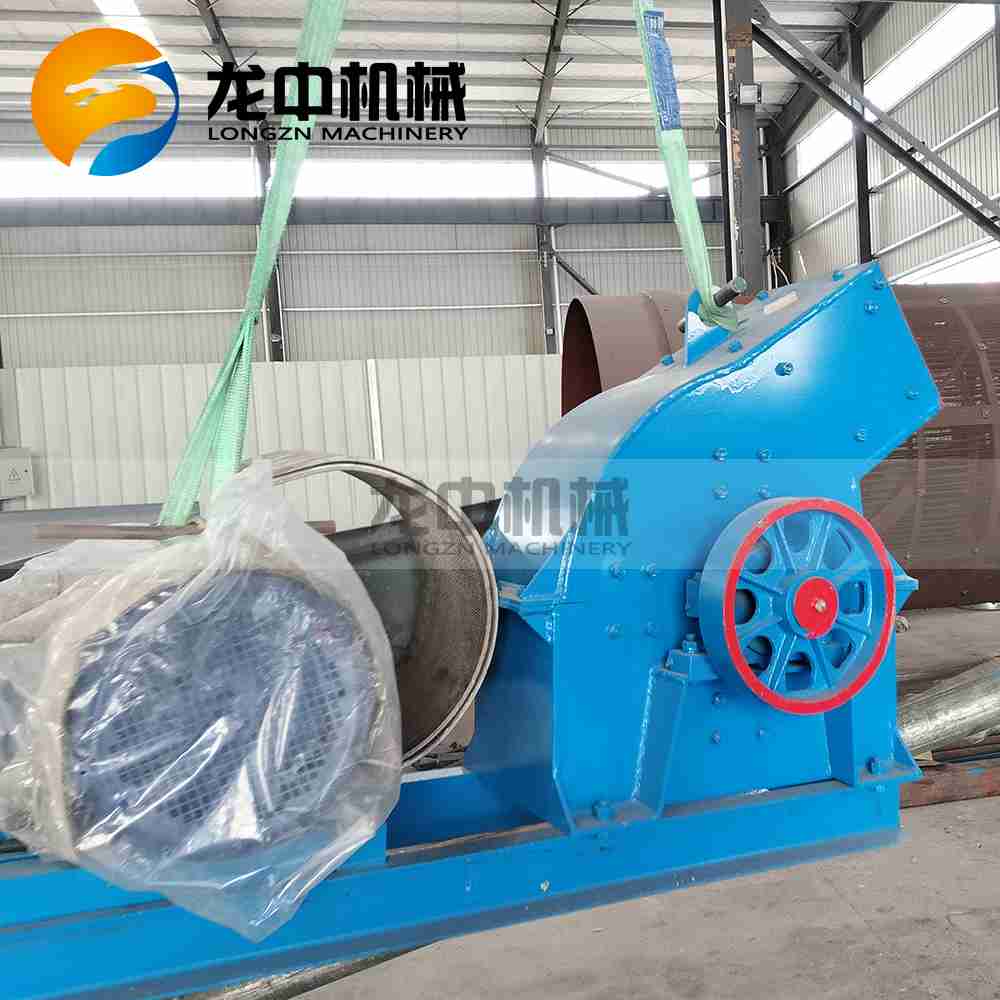
A hammer crusher is a crucial piece of crushing equipment primarily used in the primary and secondary crushing stages of mineral processing. It is highly effective in reducing the size of medium-hard to non-abrasive minerals and rocks. Commonly processed materials include limestone, gypsum, coal, salt, chalk, shale, and various phosphate ores. Its suitability for brittle materials makes it a staple in many operations.
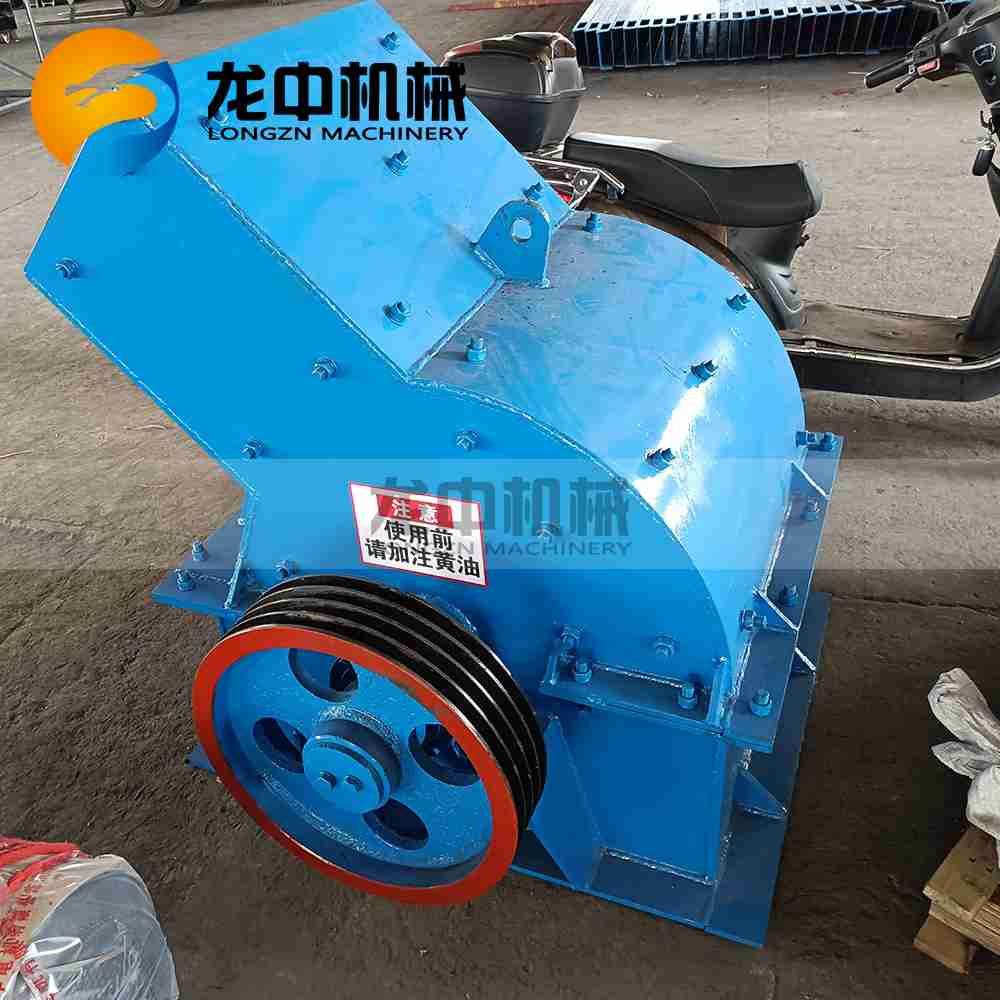
This crusher is a frequent and versatile component in various mineral processing lines, most notably in cement production plants, coal preparation plants, and small to medium-sized mining operations. It is often employed in lines dedicated to processing limestone for cement or aggregate, as well as in circuits handling coal and industrial minerals where precise shaping is less critical than high reduction ratios and simplicity.
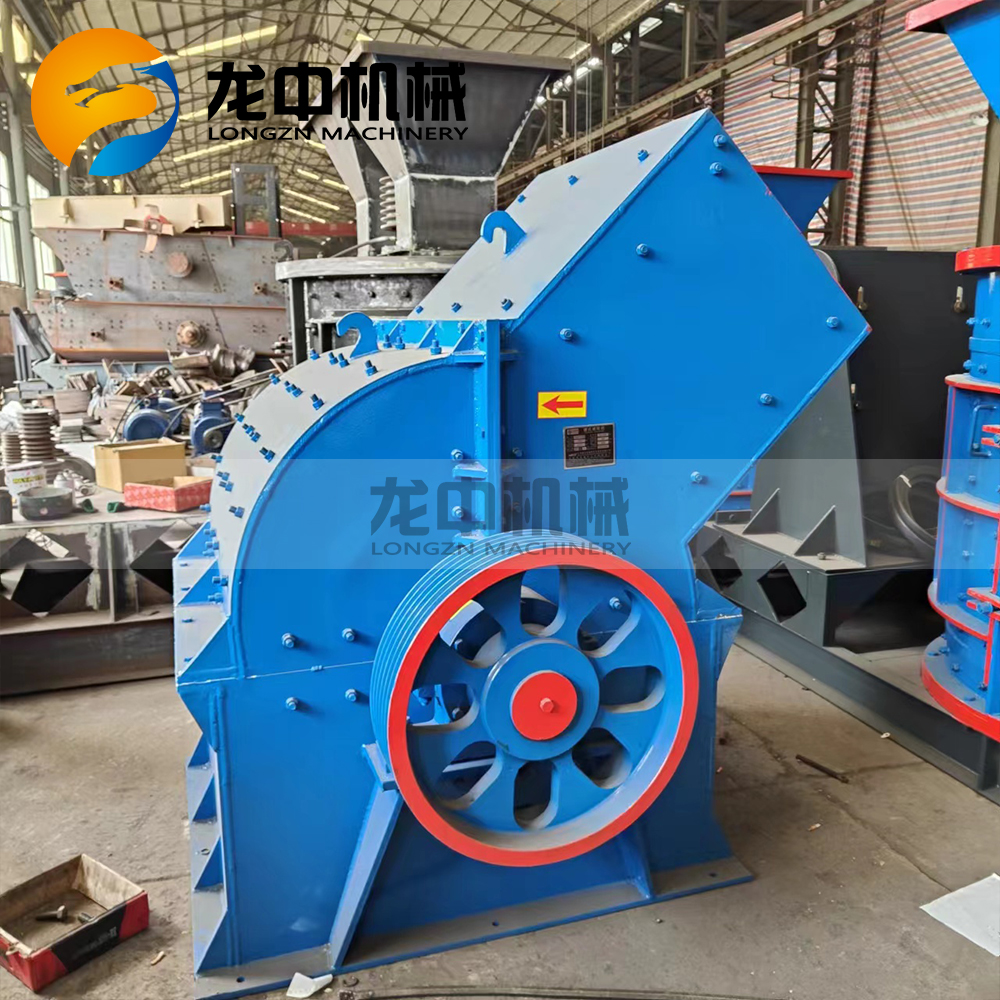
The working principle is based on impact force. The core mechanism involves high-speed rotating hammers (mounted on a rotor) that strike the incoming feed material. The impact shatters the material against breaker plates or the crusher housing. The sized particles then exit through a grate or screen at the bottom, which controls the final product size. Its key advantages and characteristics include:
High Reduction Ratio: Capable of significant size reduction in a single stage.
Simplicity & Ease of Maintenance: Robust design with relatively easy access to wear parts.
Versatile Product Size Control: Adjustable grate openings allow for some control over output granularity.
High Operational Reliability: Less sensitive to material moisture content compared to some other crushers, though very wet feed can cause clogging.