E-mail:
sale08@lzxkjx.comCall Us:
+86 15390744145
In the mineral processing equipment sector, the hydrocyclone stands out as a vital apparatus for particle separation, leveraging centrifugal force to enhance efficiency across various beneficiation stages. This device is integral to modern ore processing due to its versatility, simplicity, and cost-effectiveness.
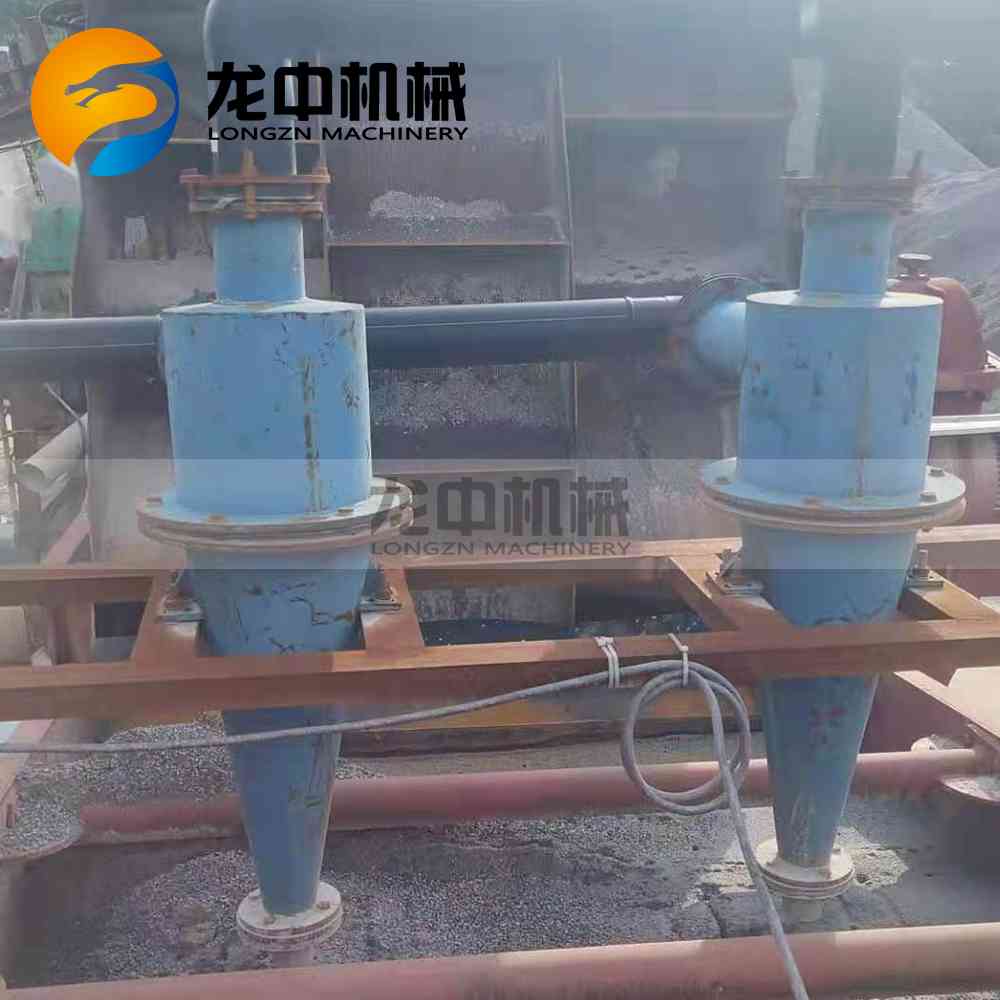
Hydrocyclones are primarily deployed in the classification, desliming, and thickening stages of mineral processing. They operate within grinding circuits to control particle size distribution, ensuring optimal downstream recovery. These units can handle a broad spectrum of minerals, including base metals like iron ore and copper, precious metals such as gold, energy minerals like coal, and industrial minerals including quartz and feldspar. Their adaptability extends to fine-particle slurries, making them suitable for both metallic and non-metallic ore processing.
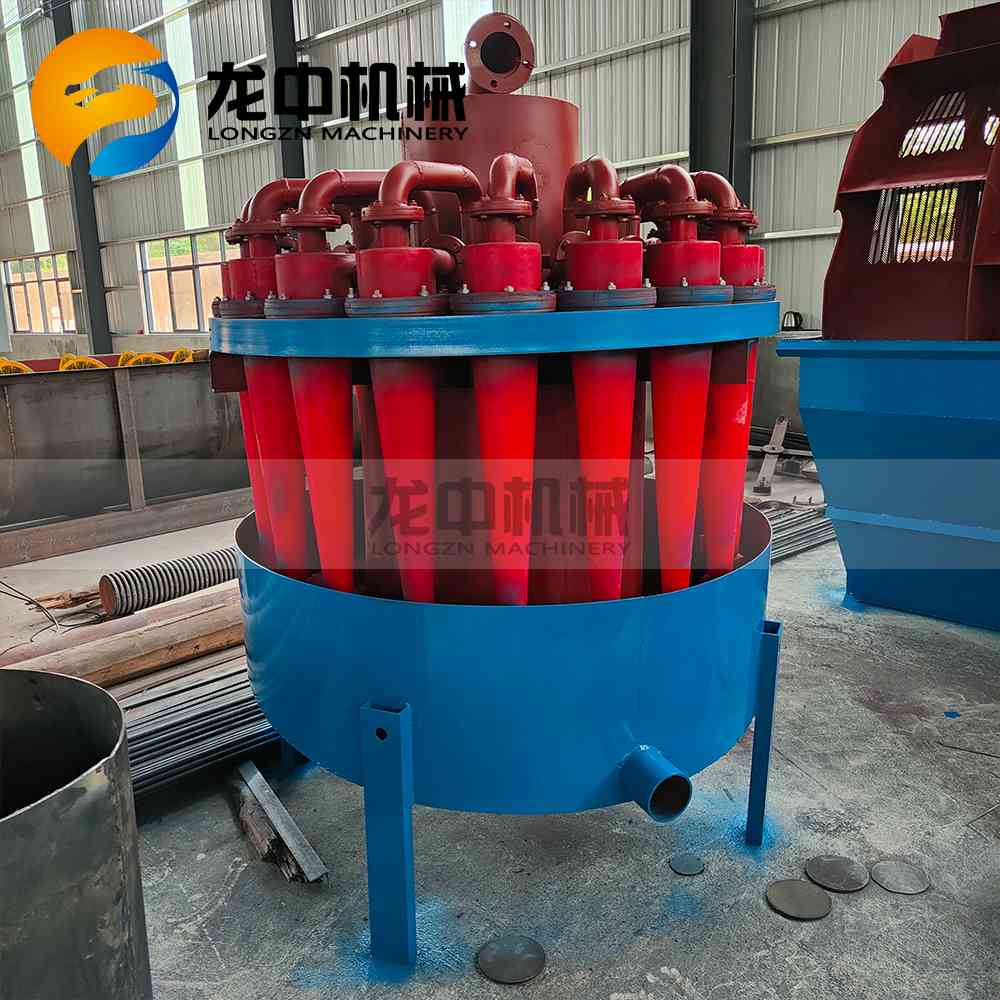
In terms of application lines, hydrocyclones are commonly featured in flotation plants, where they pre-classify feed to remove fine slimes that could hinder reagent performance. They are also prevalent in gravity separation systems, such as spiral concentrator or jigging circuits, for preliminary sizing. Moreover, in closed-circuit grinding setups—a cornerstone of contemporary mineral processing—hydrocyclones recycle coarse material back to mills, optimizing grinding efficiency and reducing energy consumption. Their use spans from primary concentration to tailings management, underscoring their widespread adoption.
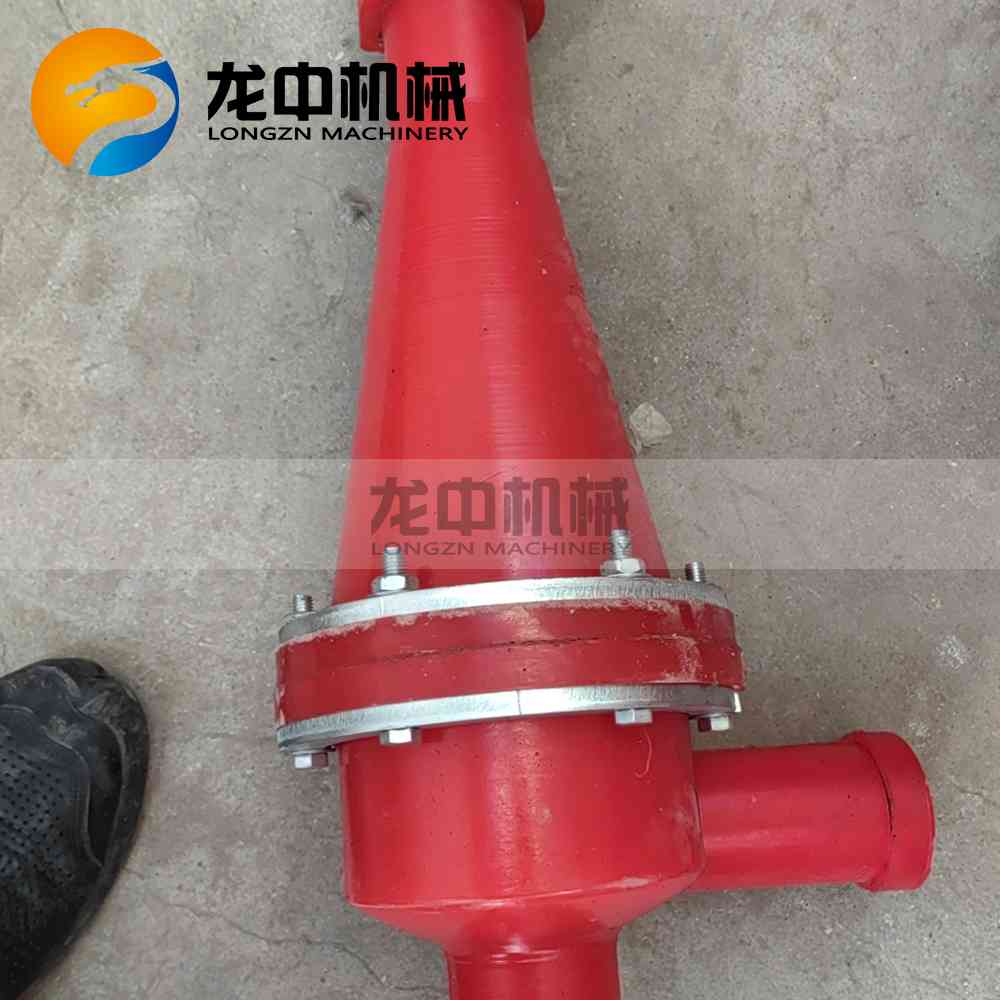
The working principle of a hydrocyclone relies on induced centrifugal forces. Feed slurry enters tangentially through an inlet, creating a rapid vortex within the cylindrical-conical structure. Heavier and coarser particles migrate outward to the walls, descending through the conical section to discharge as underflow. Lighter fine particles are carried inward and upward by an air core, exiting via the overflow pipe. This mechanism confers several advantages: hydrocyclones have no moving parts, minimizing maintenance and operational costs; they offer high throughput with compact design; energy usage is relatively low; and they provide rapid, adjustable separation for diverse slurry conditions. Their efficiency in continuous operation makes them a preferred choice for large-scale processing.
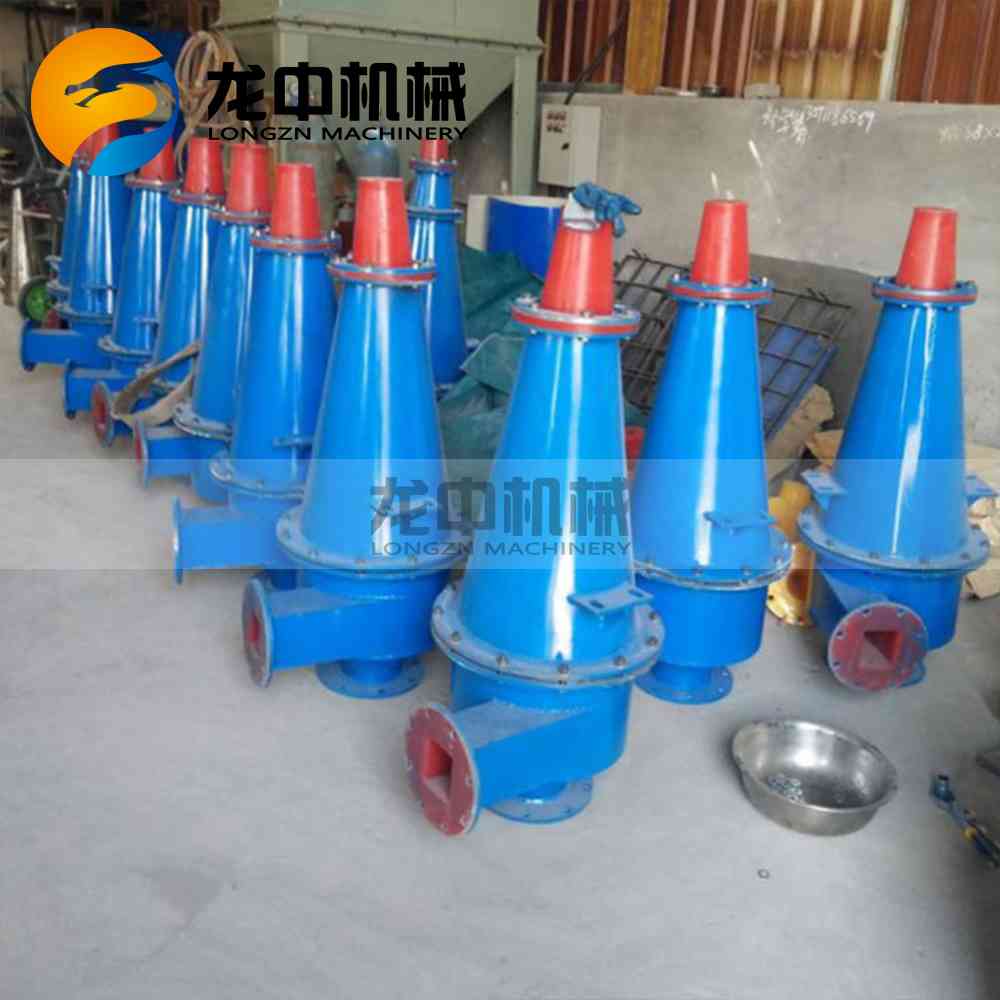
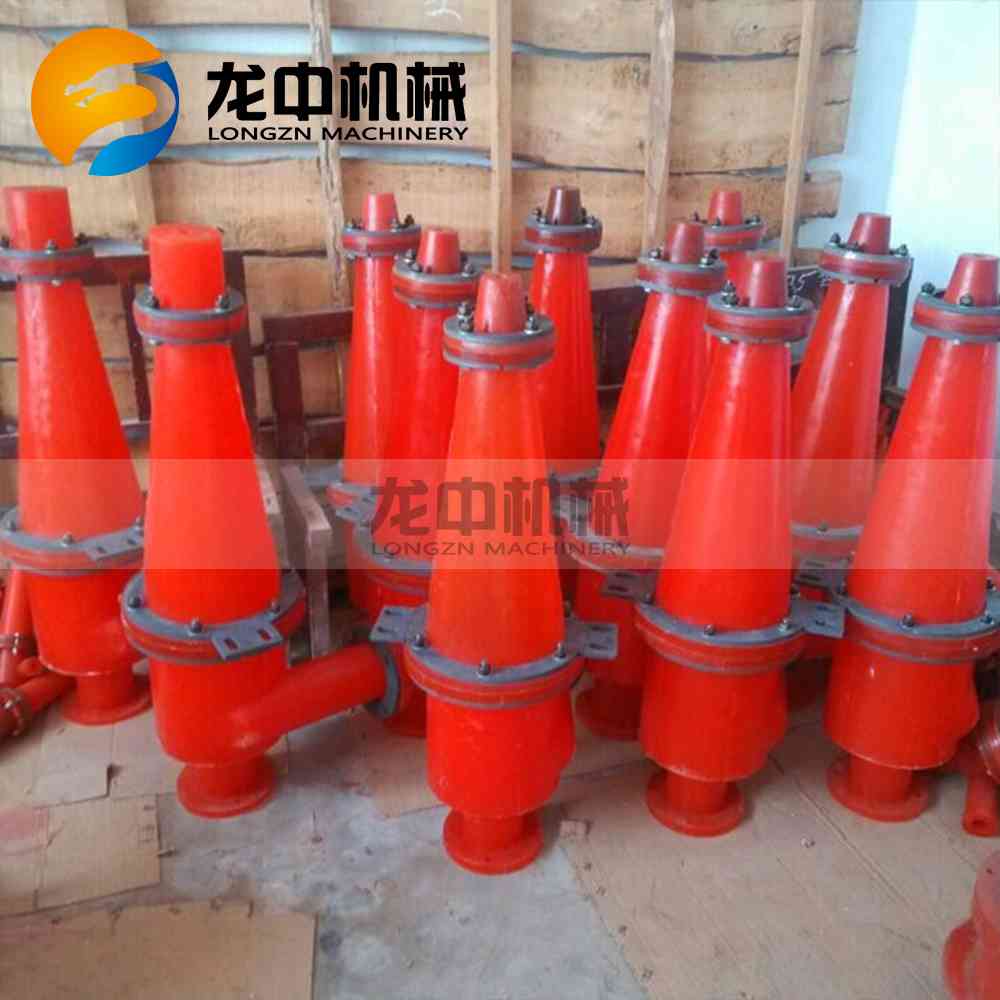
Structurally, a hydrocyclone comprises key components: a cylindrical upper section attached to a conical lower section, often lined with wear-resistant materials. The feed inlet facilitates tangential entry to initiate rotation. Centrally positioned at the top is the vortex finder (overflow pipe), which channels fine particle output. The conical body guides coarse particles downward, culminating in an apex or underflow nozzle at the bottom for discharge control. Optional features include adjustable apertures for size classification tuning and reinforced linings for durability against abrasive slurries. This straightforward yet robust design ensures reliability in harsh industrial environments.
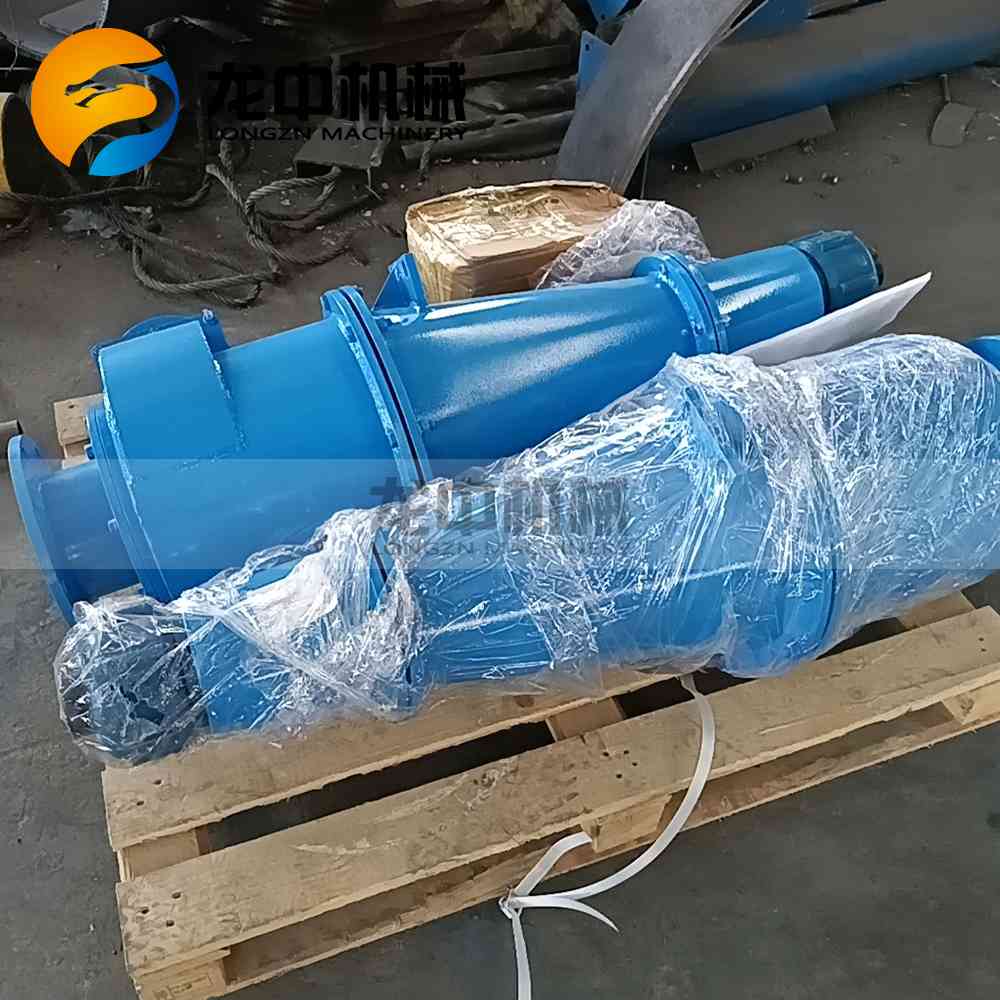
Overall, the hydrocyclone is a cornerstone of mineral processing, enabling efficient separation across multiple stages and ore types. Its combination of functional simplicity, operational economy, and structural resilience solidifies its role in advancing ore beneficiation technologies globally.