E-mail:
sale08@lzxkjx.comCall Us:
+86 15390744145
The sawtooth wave jig is primarily used in the gravity separation stage, serving as a key equipment for coarse and scavenging concentration. It is highly effective in processing a wide range of minerals based on density differences, including but not limited to gold, tin, tungsten, hematite, limonite, manganese, and alluvial minerals like diamond and zircon. This jig is a common and crucial component in various mineral processing lines, most notably in placer gold recovery plants, tungsten-tin ore beneficiation circuits, and iron ore upgrading plants.
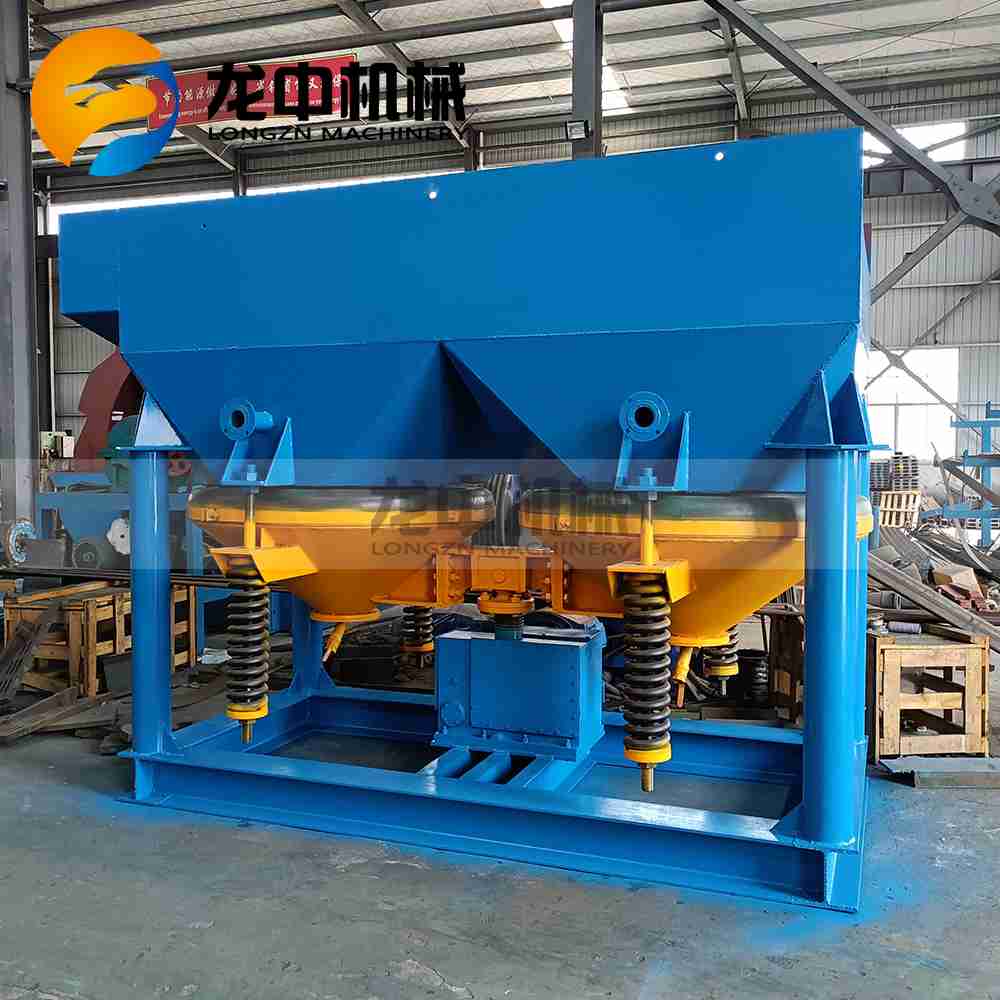
Its working principle relies on creating a pulsating water current with a distinct sawtooth waveform through a specially designed drive mechanism. This asymmetric pulsation—characterized by a rapid upward stroke followed by a slow downward settlement—optimizes particle stratification. Denser particles settle to the bottom (concentrate), while lighter particles report to the top (tailings), achieving efficient separation. The key advantages of this design are its high recovery rate for fine and coarse particles, consistent performance, low operational water consumption, and relatively simple operational and maintenance requirements.
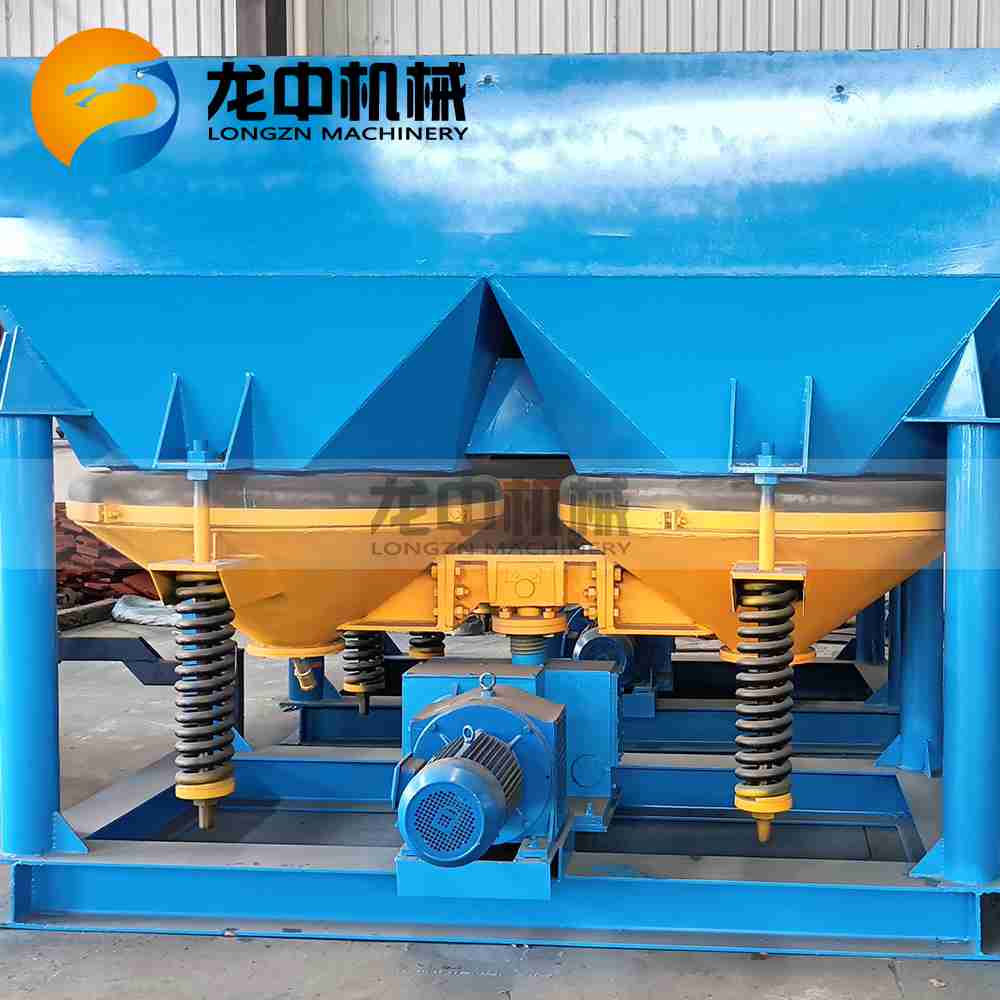
The main structure of a sawtooth wave jig typically comprises several essential components: the jigging chamber (where separation occurs), a specially designed diaphragm or piston to generate the pulsation, a drive system (often an eccentric linkage or a cam system) to create the unique sawtooth motion, a screen plate to support the bed of material, and discharge regulators for both concentrate and tailings. This robust and practical design makes it a reliable workhorse in gravity concentration circuits worldwide.