
E-mail:
sale08@lzxkjx.comCall Us:
+86 15390744145
Tungsten ores are typically characterized by low grade, fine grain size, and complex composition. Consequently, their beneficiation involves a multi-stage, technically demanding process.
I. Core Principles and Challenges
Principle: "Recover early, recover more; discard early, discard more." This involves recovering qualified tungsten concentrate as early as possible and discarding final tailings promptly to minimize intermediate recirculation and over-grinding.
Challenges:
Low Grade: The WO₃ grade in run-of-mine ore is typically only 0.1% - 0.5%, requiring concentration by several hundred times.
Brittleness and Sliming: Both wolframite and scheelite are brittle and prone to over-grinding during crushing and milling, leading to the formation of fine slimes that are difficult to recover.
Complex Associations: Tungsten minerals are often intergrown with minerals like cassiterite, molybdenite, bismuthinite, pyrite, phosphates, calcite, and fluorite, making separation challenging.
II. Overview of the Standard Process Flow
A complete tungsten processing plant typically includes the following key sections:
Run-of-Mine Ore → Crushing & Screening → Pre-concentration (Sorting/Dense Media) → Grinding & Classification → Gravity Concentration (Core) → Flotation/Magnetic/Electrostatic Separation (Cleaning & Separation) → Dewatering & Drying → Tungsten Concentrate
III. Detailed Process Steps
1. Crushing and Screening
Objective: To reduce the run-of-mine ore to a size suitable for subsequent grinding (typically -15mm).
Process: A three-stage closed-circuit crushing flow sheet is commonly employed (primary, secondary, and tertiary crushing, operating in a closed circuit with screens).
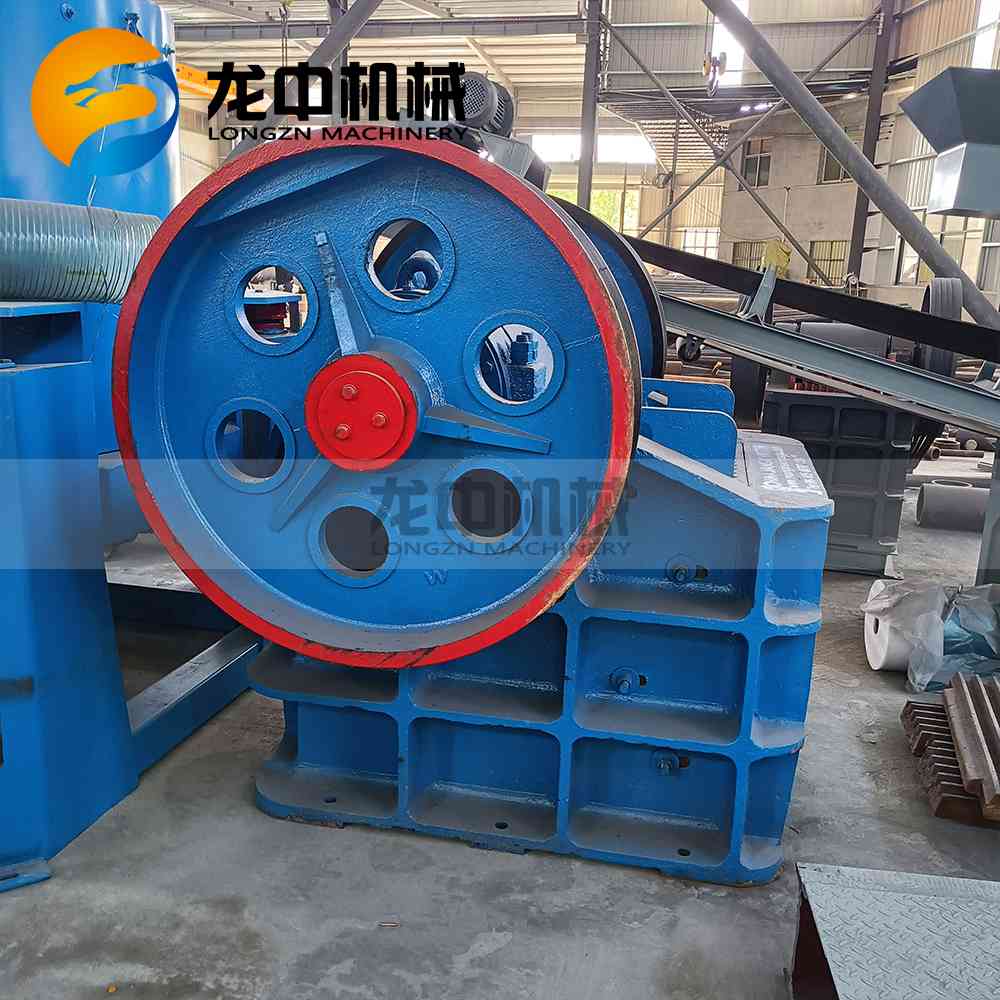
Equipment: Jaw crushers, cone crushers, vibrating screens.
2. Pre-concentration (Optional but Economically Significant)
Objective: To discard a significant amount of waste rock prior to grinding, thereby increasing the head grade and reducing energy consumption and operational costs.
Methods:
Photometric Sorting / AI Sorting: Utilizes differences in color, reflectivity, or X-ray fluorescence characteristics between tungsten minerals and gangue. High-speed air jets are used to separate the particles. This is a key technology for improving efficiency in modern tungsten plants.
Dense Media Separation (DMS): Exploits density differences. A heavy suspension is used to separate light products (waste rock) from heavy products (enriched ore).
3. Grinding and Classification
Objective: To achieve sufficient liberation of tungsten minerals from the gangue minerals, creating suitable conditions for separation.
Key: A stage-grinding and stage-separation process is adopted to prevent over-grinding.
After primary grinding, gravity concentration is used to recover already liberated coarse tungsten particles.
Unliberated middlings or rough concentrates are re-ground and re-treated.
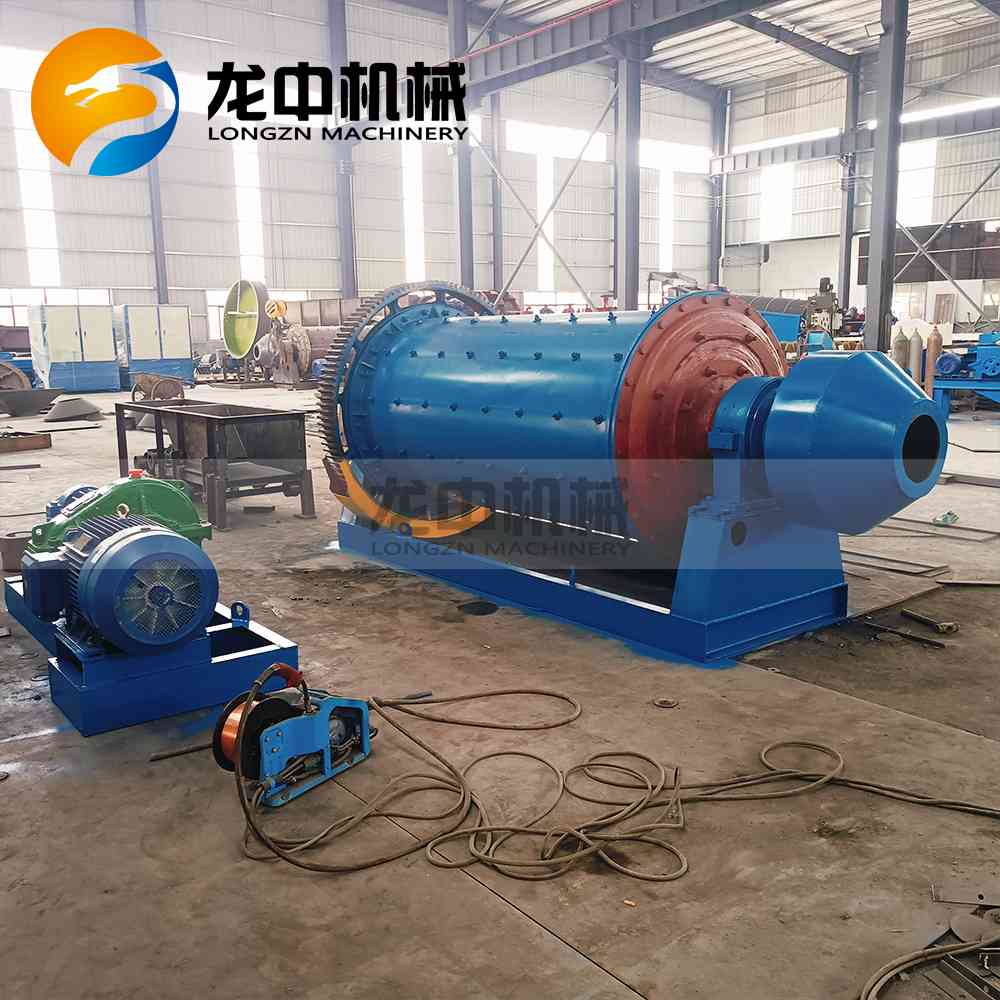
Equipment: Rod mills, ball mills, classifiers/hydrocyclones.
4. Gravity Concentration (Core Primary Process)
Principle: Exploits the significant density difference between wolframite/scheelite and gangue minerals. It is particularly effective for coarsely disseminated wolframite and some scheelite ores.
Typical Process: Jigging-shaking table combined process.
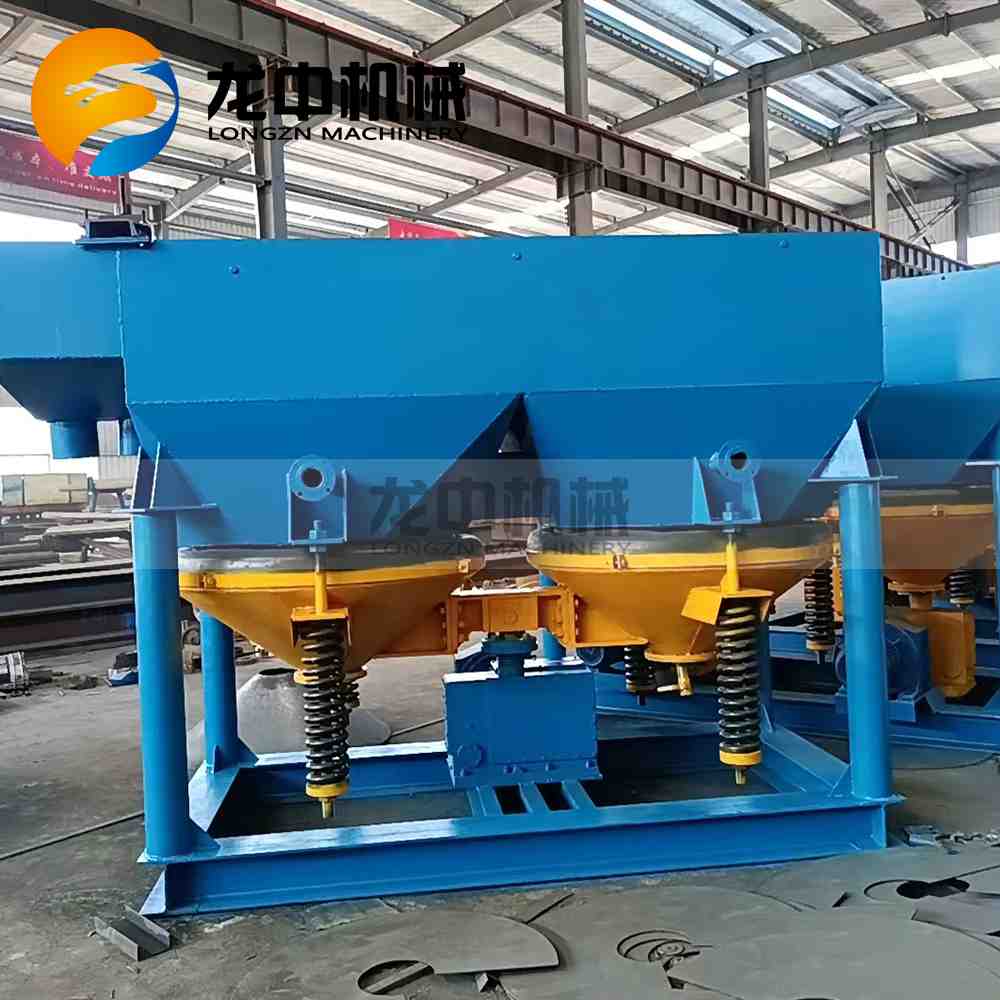
Jigs: Treat coarser fractions (typically >0.5mm). They offer high throughput, producing a rough concentrate and final tailings.
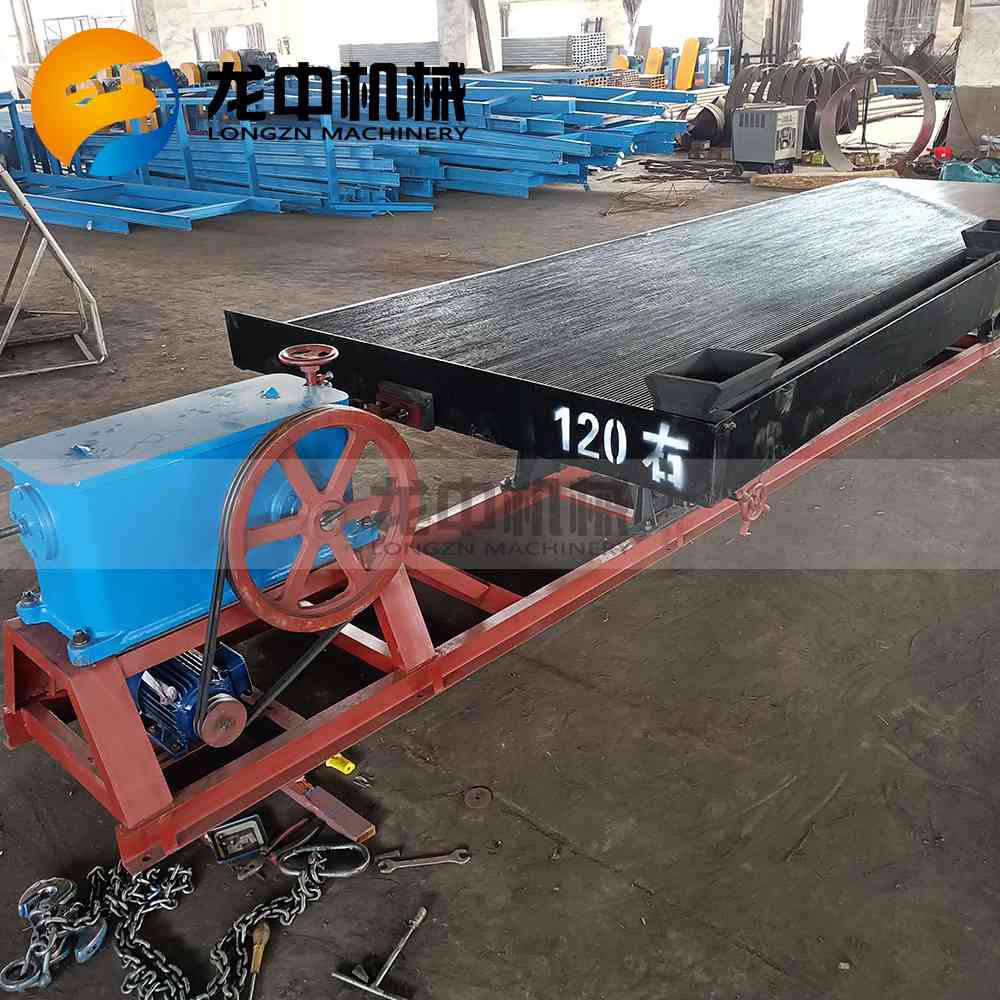
Shaking Tables: Treat finer fractions (typically 0.5mm - 0.074mm). They provide high separation precision, yielding final concentrate, middlings, and tailings.
Spiral Chutes / Centrifugal Concentrators: Treat ultra-fine fractions (typically <0.074mm) to recover tungsten values from slimes.
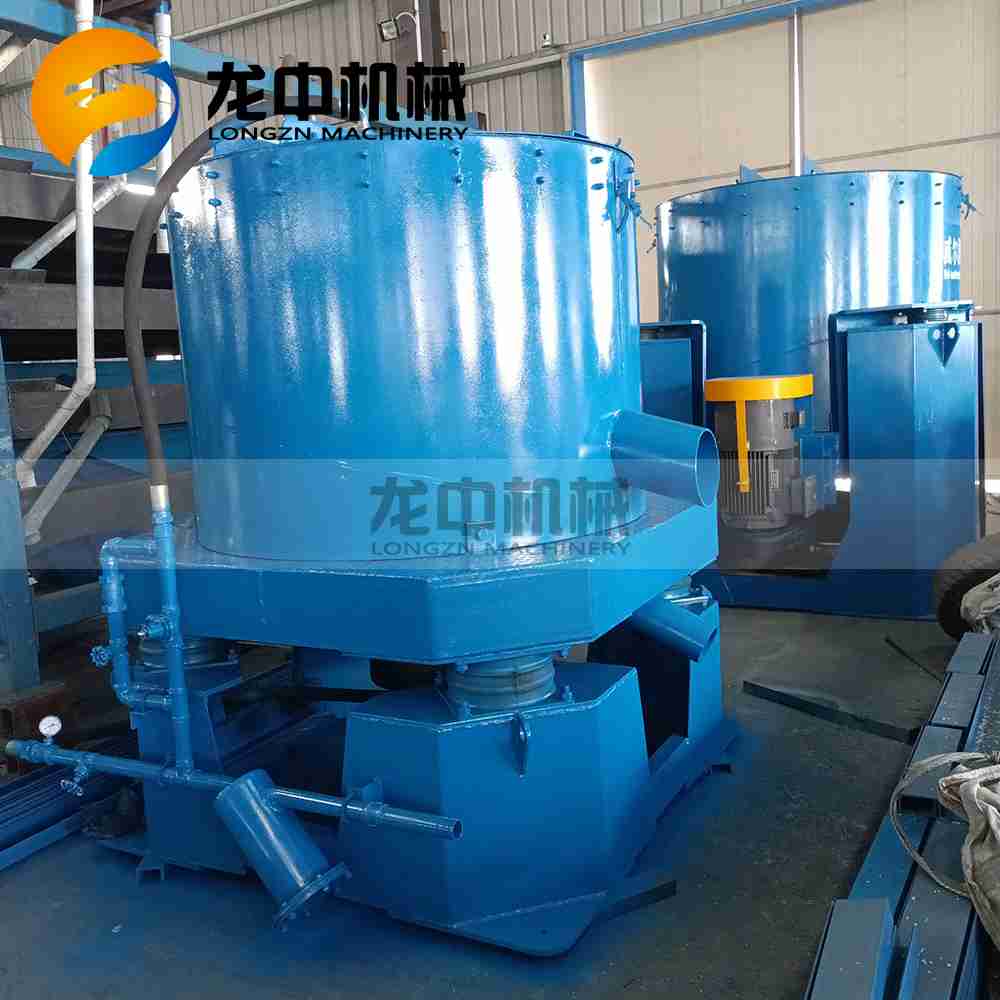
Output: The product is a rough tungsten concentrate, typically grading 15% - 50% WO₃, which requires further cleaning.
5. Cleaning and Separation (Combined Processes)
The rough concentrate from gravity separation undergoes further purification and separation using a combination of physical and chemical methods, depending on its mineral composition.
Table Flotation or Flotation: Used to separate sulfide minerals (e.g., molybdenite, bismuthinite, pyrite).
Magnetic Separation:
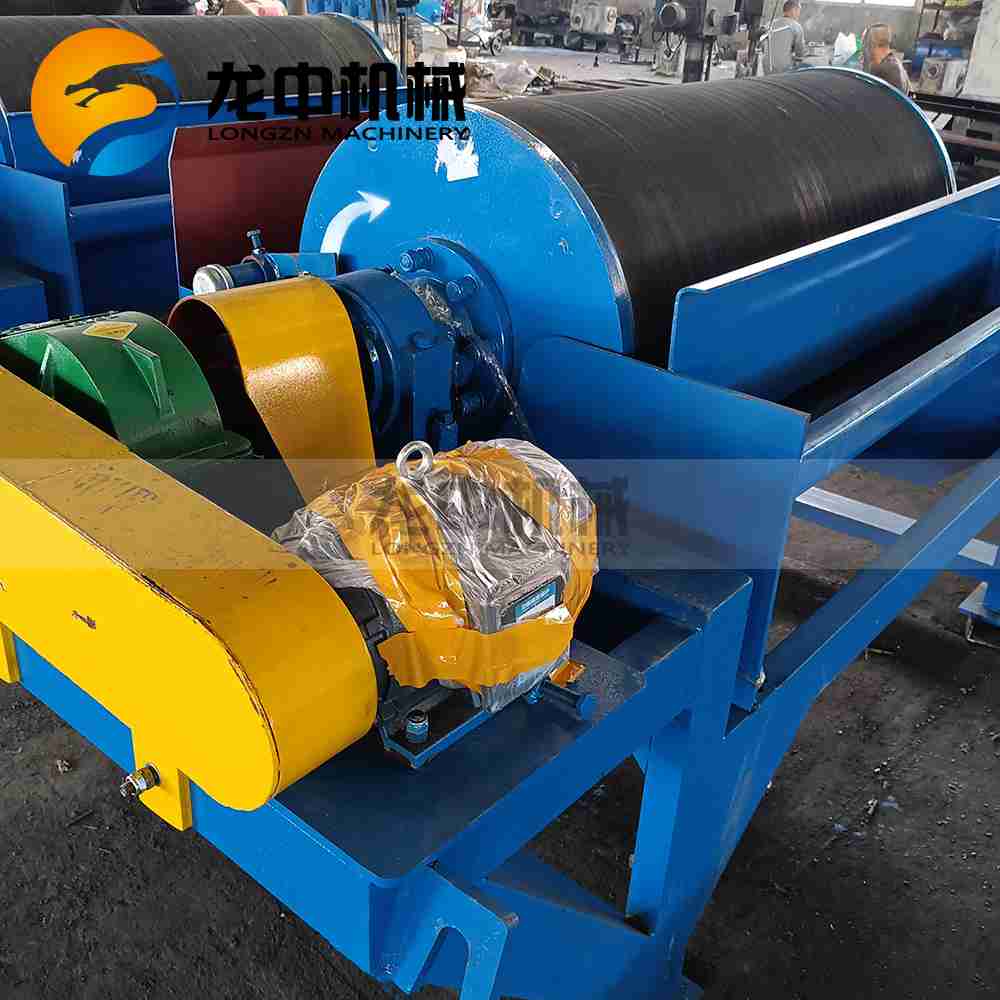
High-Intensity Magnetic Separation (HIMS): Separates wolframite (weakly magnetic) from scheelite, cassiterite (non-magnetic), and most non-magnetic gangue minerals.
High-Gradient Magnetic Separation (HGMS): Effective for recovering fine wolframite particles from slimes.
Flotation:
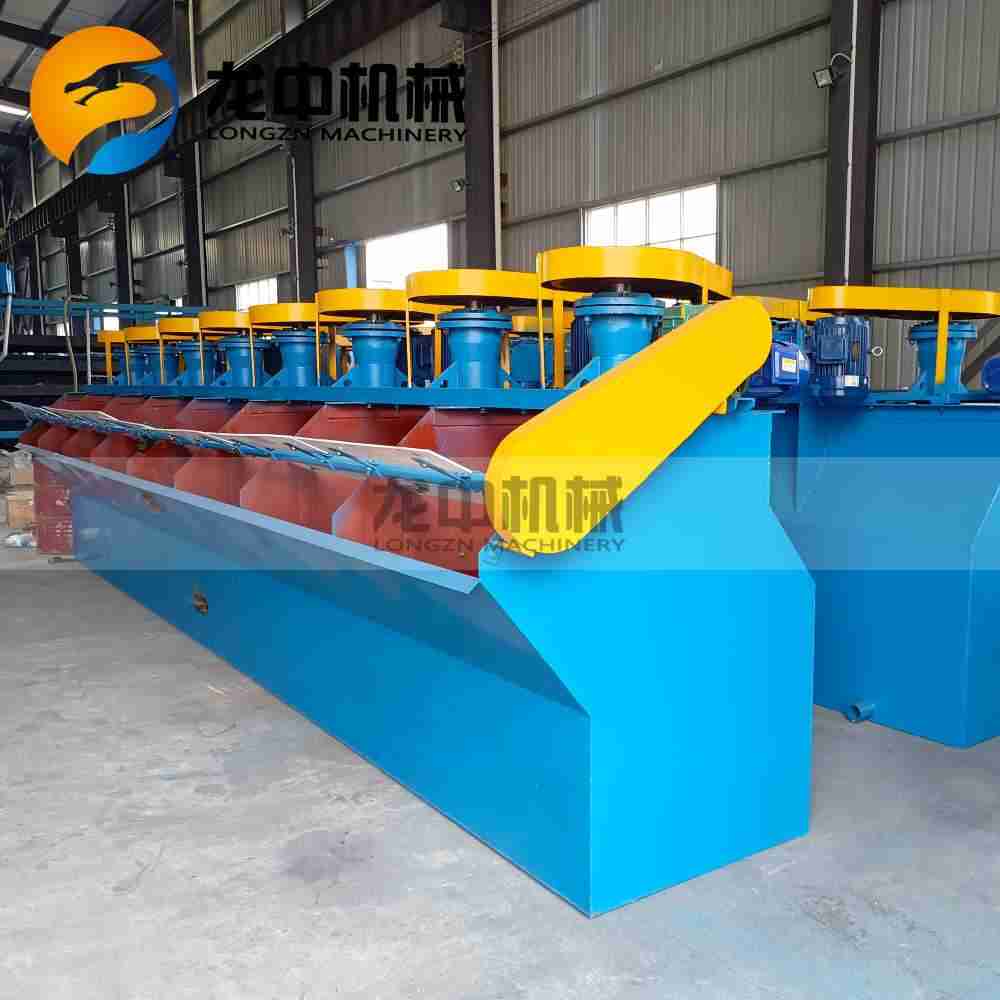
Scheelite Flotation: The core methods are the "Petrov process" (high-temperature conditioning) or "731 oxidized paraffin soap flotation at ambient temperature." In an alkaline pulp, fatty acid collectors (e.g., 731) are used with sodium silicate as a depressant to float scheelite.
Wolframite Flotation: Uses specific collectors (e.g., benzyl arsonic acid, hydroxamic acids). The process is more complex than scheelite flotation and often serves as an auxiliary method for recovering fine wolframite from slimes.
Electrostatic Separation: Used for the final separation of non-conductive scheelite from conductive minerals like cassiterite.
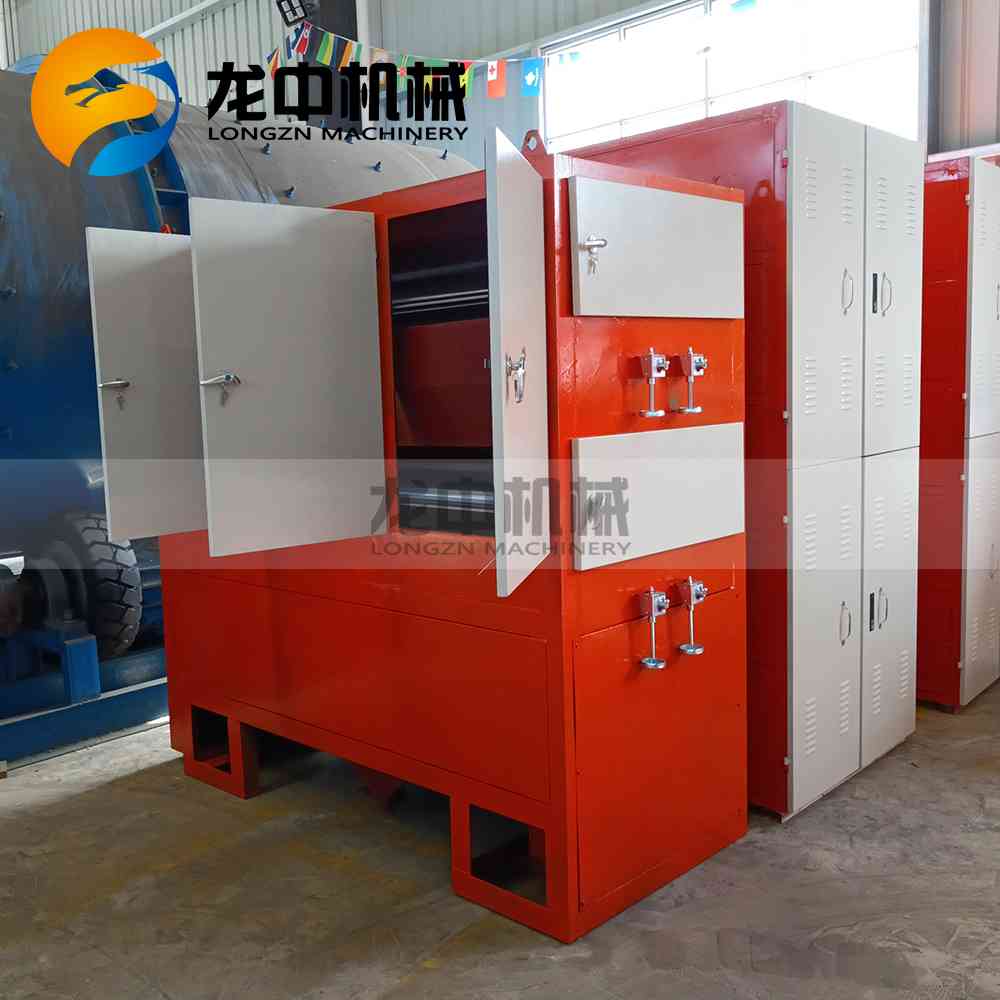
Chemical Beneficiation (Hydrometallurgy): For refractory materials, acid or alkali leaching (e.g., using hydrochloric acid to leach phosphorus and calcium) may be employed, though this involves higher costs and stricter environmental controls.