E-mail:
sale08@lzxkjx.comCall Us:
+86 15390744145
For gibbsite-kaolinite type bauxite, a separation of coarse and fine fractions is often employed. The coarse fraction undergoes magnetic separation for iron removal after grinding, while the slimes are subjected to flotation after grinding.
High-silica bauxite is typically treated using flotation for desilication. The process involves one-stage closed-circuit grinding, classification using two classifiers, and micro-bubble agglomeration flotation in agitated flotation cells. The separation incorporates a combination of rougher, scavenger, and cleaner stages.
Chemical beneficiation is applied to high-silica bauxite for desilication, reducing the silica content through roasting and chemical dissolution methods.
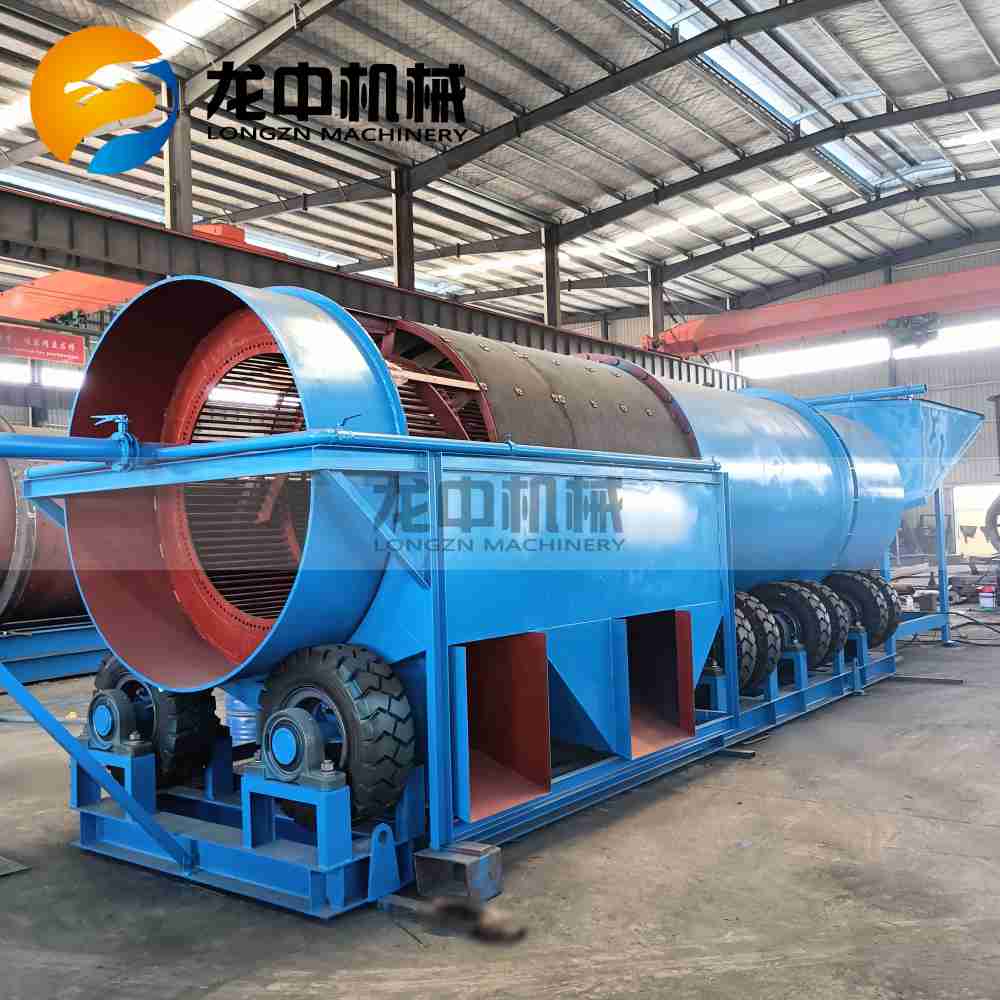
Washing methods: For gibbsitic and diasporic bauxite with high clay content and low grade, a two-stage washing process using drum washers and trough washers is commonly adopted. For ores that are difficult to wash, a three-stage washing process is employed.