E-mail:
sale08@lzxkjx.comCall Us:
+86 15390744145
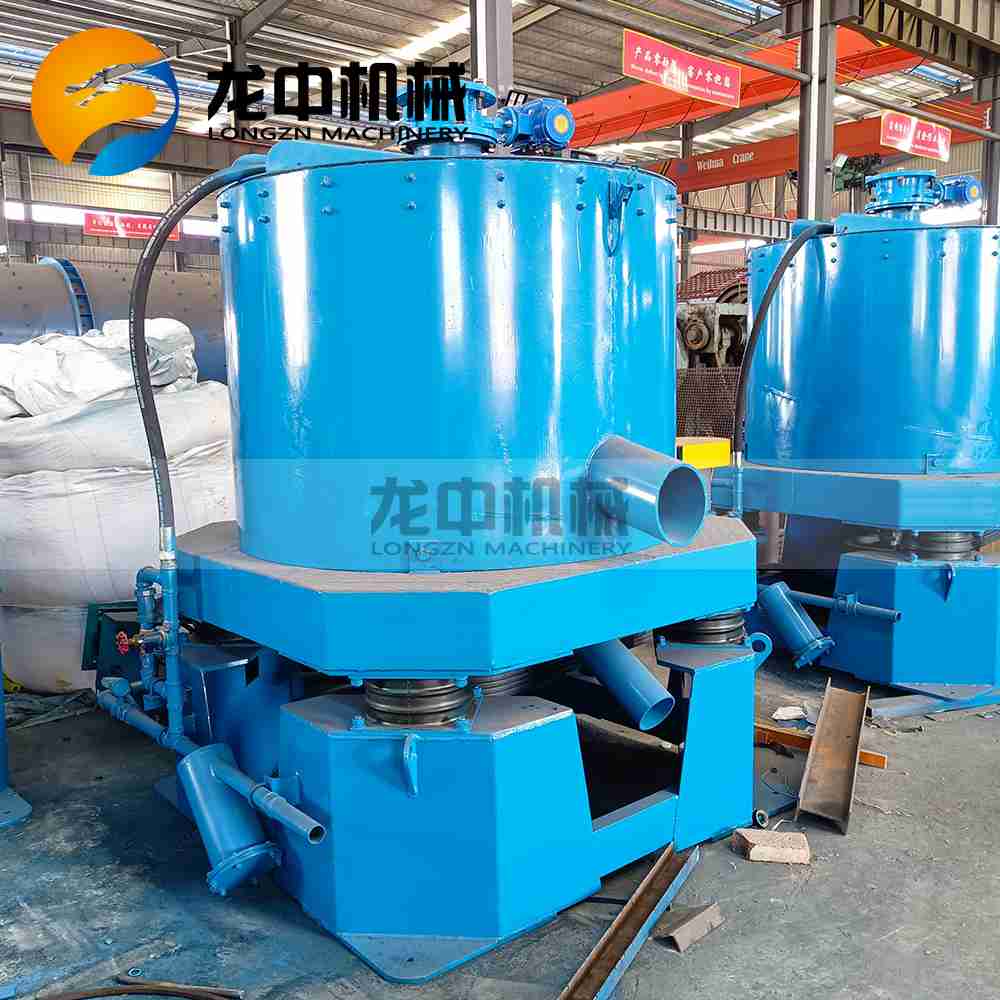
Gold ore processing generally requires the following equipment: Crushing is a crucial step before the beneficiation of rock gold ore. After mining, the raw ore must first undergo a crushing process to achieve partial monomer dissociation of the minerals or to create favorable conditions for monomer dissociation. Typically, the crushing stage reduces the gold ore to below 12mm to facilitate subsequent operations. Commonly used gold ore processing equipment in this stage includes jaw crushers (for coarse and fine crushing), cone crushers (for medium and fine crushing), circular vibrating screens, and linear vibrating screens.
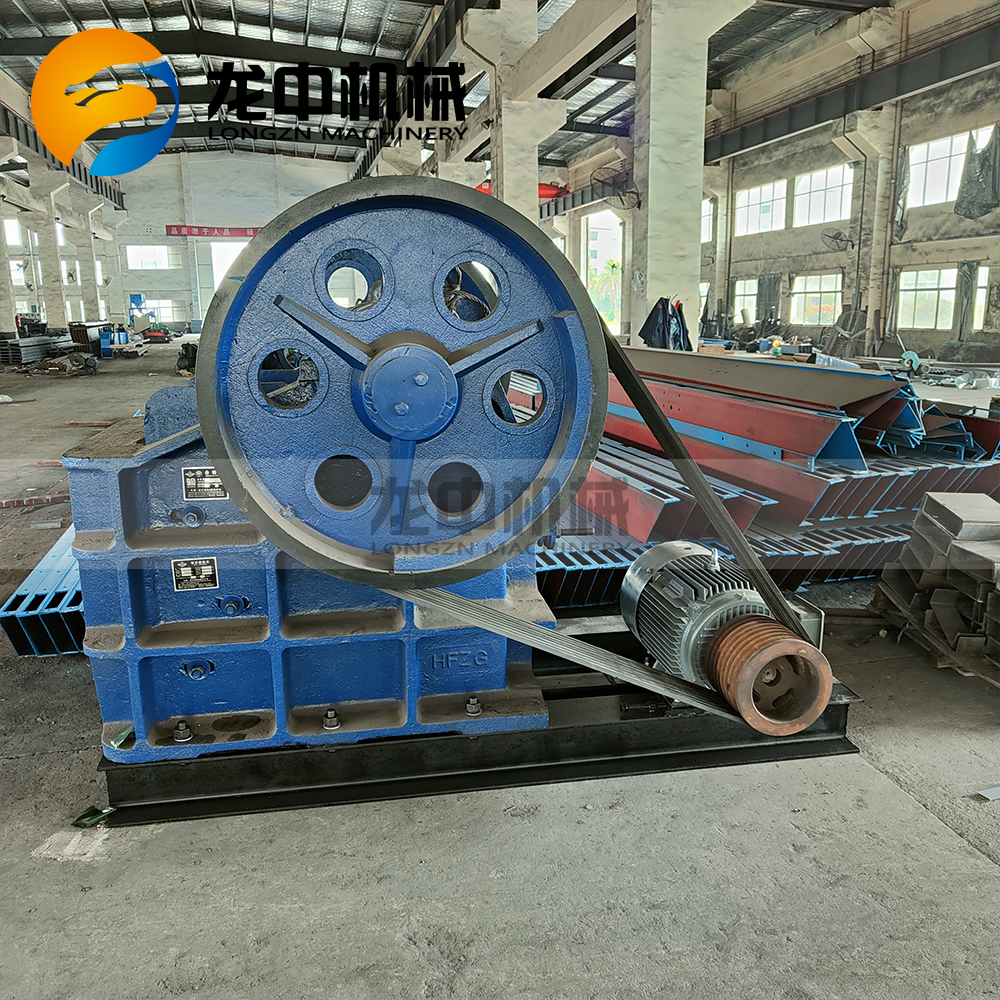
Grinding of rock gold ore is the stage following crushing, where the ore is further ground to achieve monomer dissociation between minerals, thereby providing favorable conditions for subsequent separation processes. The grinding stage for rock gold ore often employs either a single-stage or two-stage grinding process, with the particle size range determined by the separation requirements. Currently, commonly used gold ore processing equipment in this stage includes grid-type ball mills, overflow-type ball mills, spiral classifiers, and hydrocyclones (groups).
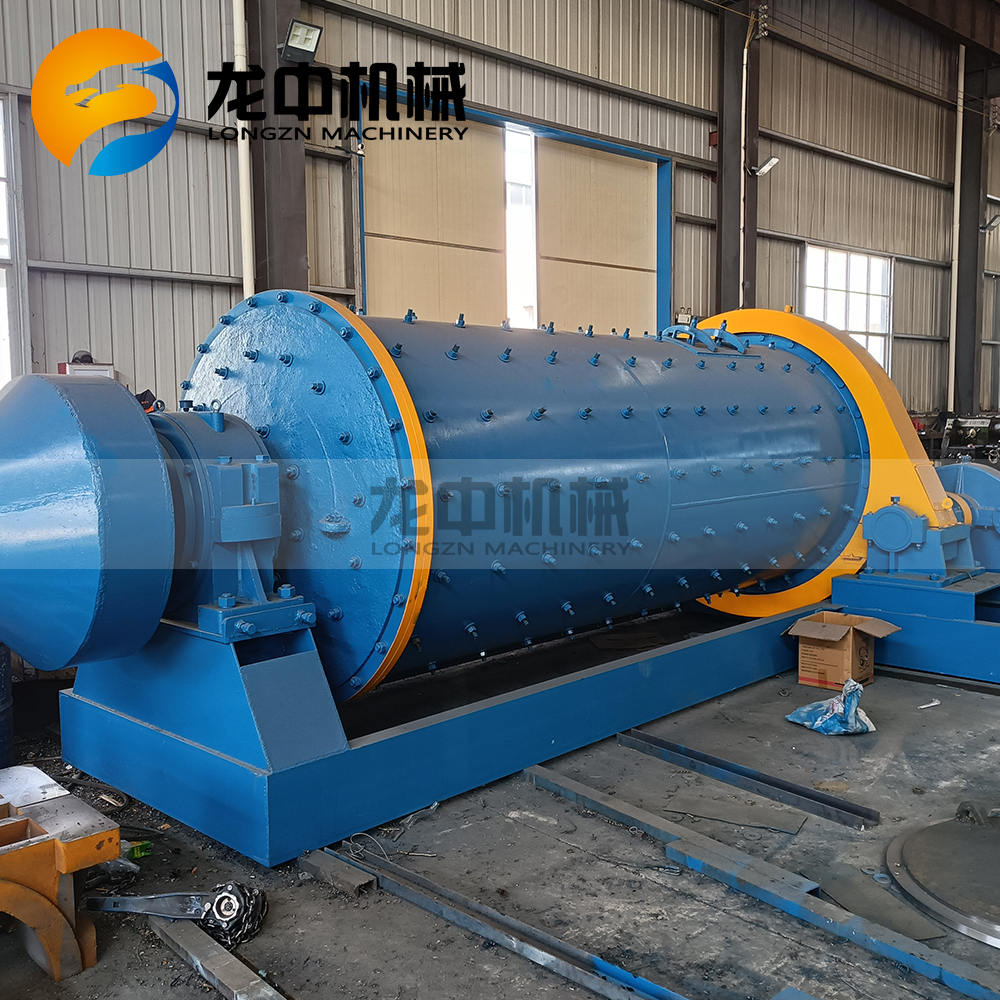
Gravity separation for rock gold ore is an ancient method that primarily utilizes the density difference between gold and other minerals to achieve separation. This gold extraction process has low costs, minimal energy consumption, and little environmental pollution. However, gravity separation is mostly suitable for coarse-grained gold ores, and its concentrate grade for fine-grained gold is not high. It is often combined with other processes as a pre-concentration method for gold extraction. Commonly used gravity separation equipment for rock gold ore includes four types: shaking tables, jigs, spiral chutes, and centrifugal concentrators.
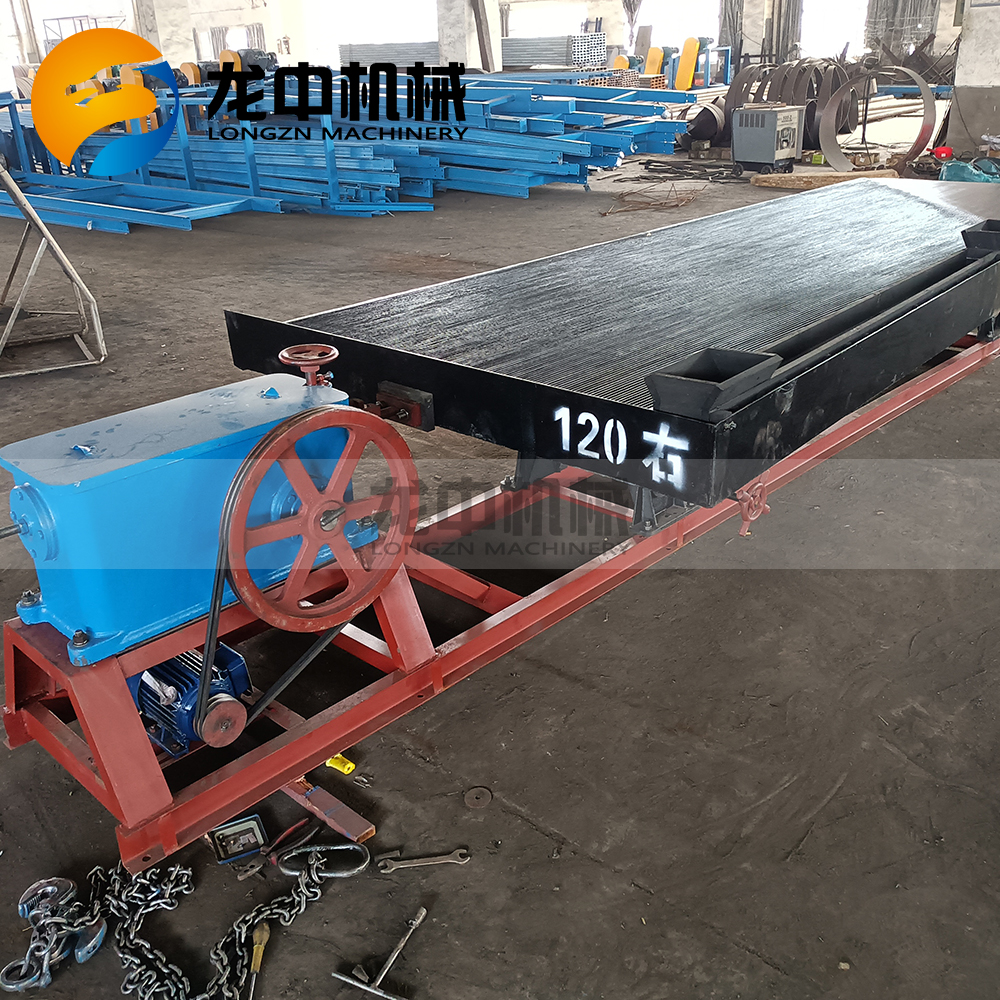
Shaking tables: Shaking tables are suitable for processing rock gold ore with a particle size range of 2–0.037mm. During operation, the motor drives the table surface in a reciprocating motion, and under the action of water flow, the minerals are distributed in a fan-shaped pattern on the table surface based on their density differences. This allows for the sequential extraction of gold concentrate, secondary gold concentrate, gold middlings, and tailings. Shaking tables are available in two models depending on their specifications: the 6-S shaking table and the cloud shaking table, with the 6-S shaking table being more commonly used in gold processing.
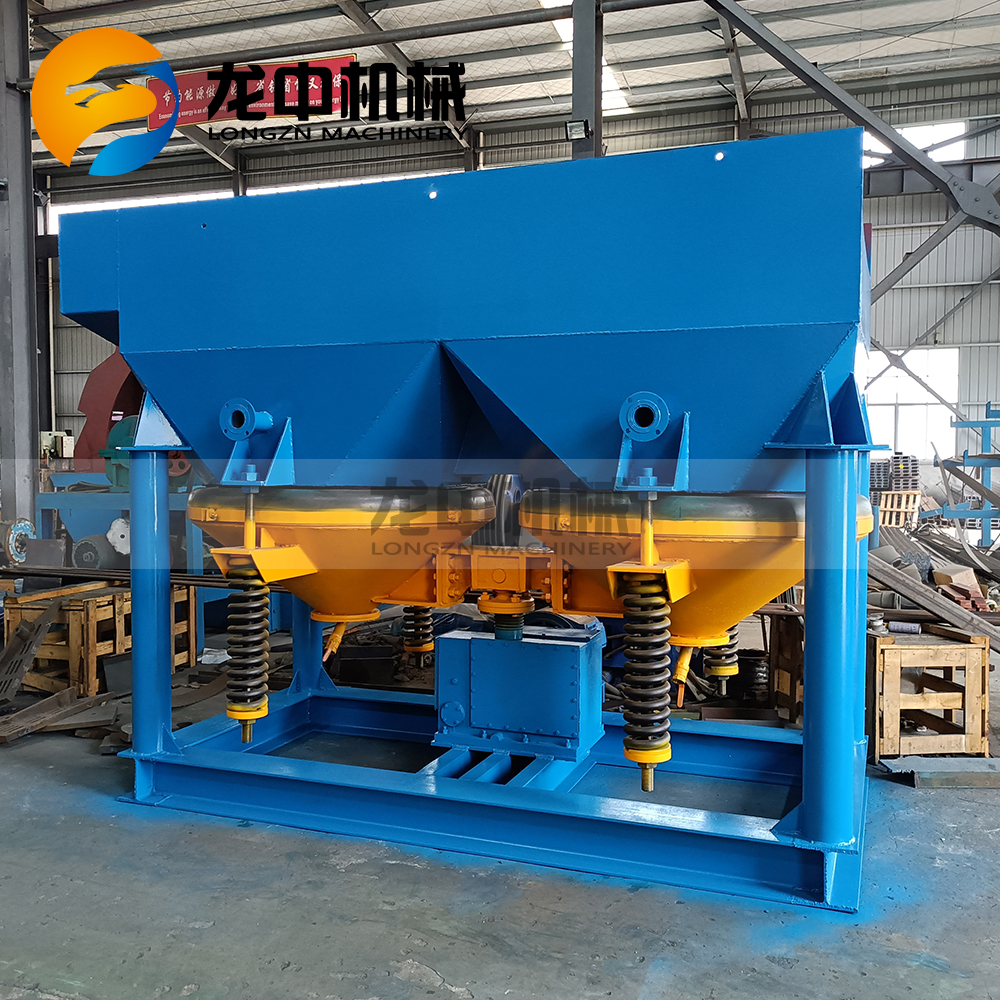
Jig machines: Jig machines are suitable for processing rock gold ore with a particle size range of 30 (20)–0.5mm. During operation, the pulsating vertical water flow generated by the equipment loosens the minerals and separates them based on density differences. This method effectively removes impurities such as surrounding rock and gangue, thereby improving the gold grade.
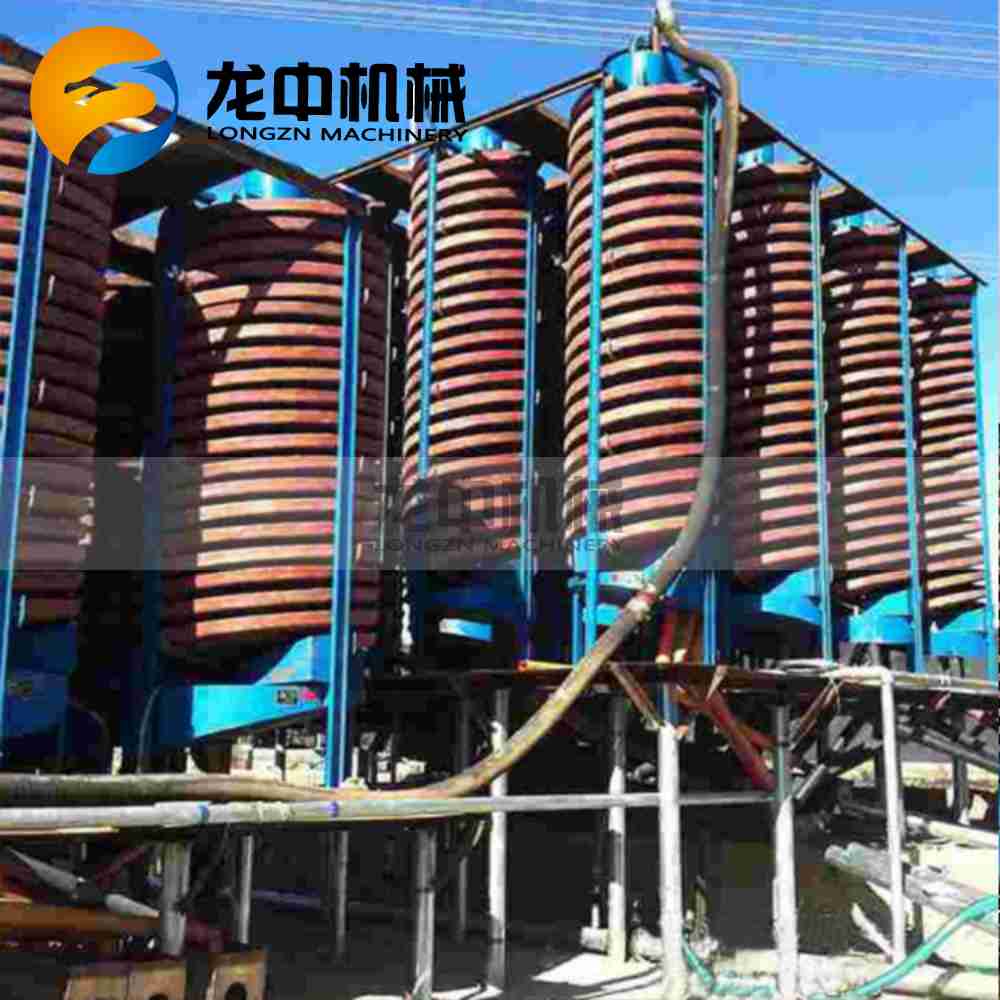
Spiral chutes: Spiral chutes are suitable for processing rock gold particles with a particle size range of 2–0.074mm. During operation, based on the density differences of the ore, a slurry of a certain concentration is fed onto the spiral surface for stratification. Minerals with higher density concentrate on the inner edge, those with lower density on the outer edge, and fine slimes at the periphery. After several stages of spiral classification, concentrate, middlings, and tailings can be separately extracted.
Centrifugal concentrators: These are mostly suitable for recovering fine-grained gold below 0.2mm (0.074–0.10mm) and are commonly used for recovering monomer gold in placer gold or vein gold deposits. During operation, separation is achieved primarily through the centrifugal force generated by the equipment's rotational flow. Minerals with higher density adhere to the drum wall, while those with lower density are discharged through the bottom gaps. Once a certain thickness accumulates, the feed is stopped, and high-pressure water is injected to flush out the gold concentrate.